When designing, engineering, or manufacturing a cold-formed steel roof system, understanding the terminology used throughout the industry is critical. Whether working with advanced roll forming technology, operating modern steel framing machines, or modeling a complete CFS roof, accurate communication begins with a clear understanding of roof geometry, structural components, and drainage elements. As CFS construction continues to grow in residential, commercial, and modular applications, design teams, manufacturers, and installers must speak the same language to ensure that cold-formed steel systems are designed, documented, fabricated, and assembled correctly.
This article focuses on common terminology used when describing roofs and roofing systems in cold-formed steel construction. Below are the definitions and terminology commonly used when modeling and documenting a CFS roof.
Part I – Geometric Elements of a Cold-Formed Steel Roof
Understanding the geometry of a CFS roof begins with the primary shapes and reference points that define its overall form.
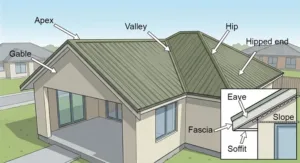
Apex: The highest point of a slope on a roof.
Gable: A gable refers to the triangular portion of wall formed between two sloping roof planes at the end of a pitched roof.
Hipped End: A roof where all sides are sloped down to the external wall. Hip roofs do not have vertical gable ends. Instead, all roof planes slope downward toward the exterior walls of the building.
Hip: The sloping line at the corners where two slopes meet.
Valley: Roof valleys are the troughs formed where two roof slopes meet. Their purpose is to collect any water and direct it away from the roof and into a gutter. Valleys are critical drainage locations within roof geometry and often require additional flashing and waterproofing detailing.
Eave: The part of a roof that overhangs the walls of a building. The eave defines the lower edge of a roof plane.
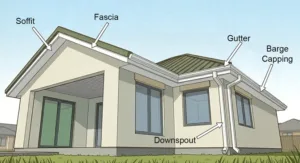
Fascia: Fascia is an architectural term for a vertical face or band under a roof edge. The fascia forms the visible finishing edge of the roof.
Soffit: Long boards that are fixed to the underside of the rafters that are projecting out, connecting the overhanging part of the roof to the side of the property. Soffit boards have many different textures. The soffit encloses the underside of the roof overhang and forms the transition between the roof edge and the external wall.
Pitch/Slope: The angle or degree of incline of a roof surface.
Part II – Structural Components of Cold-Formed Steel Roof Systems
The structural framework of a cold-formed steel roof provides the strength and stability required to support loads while maintaining design intent. These elements are fundamental to every CFS roof fabricated using modern steel framing machines.
Ridge: The horizontal peak or apex at the very top of a roof where the highest ends of opposing rafters or truss top chords meet.
Rafters: Sloping structural members that extend from the ridge of the roof to the perimeter wall fascia, designed to support the roof deck and cladding directly.
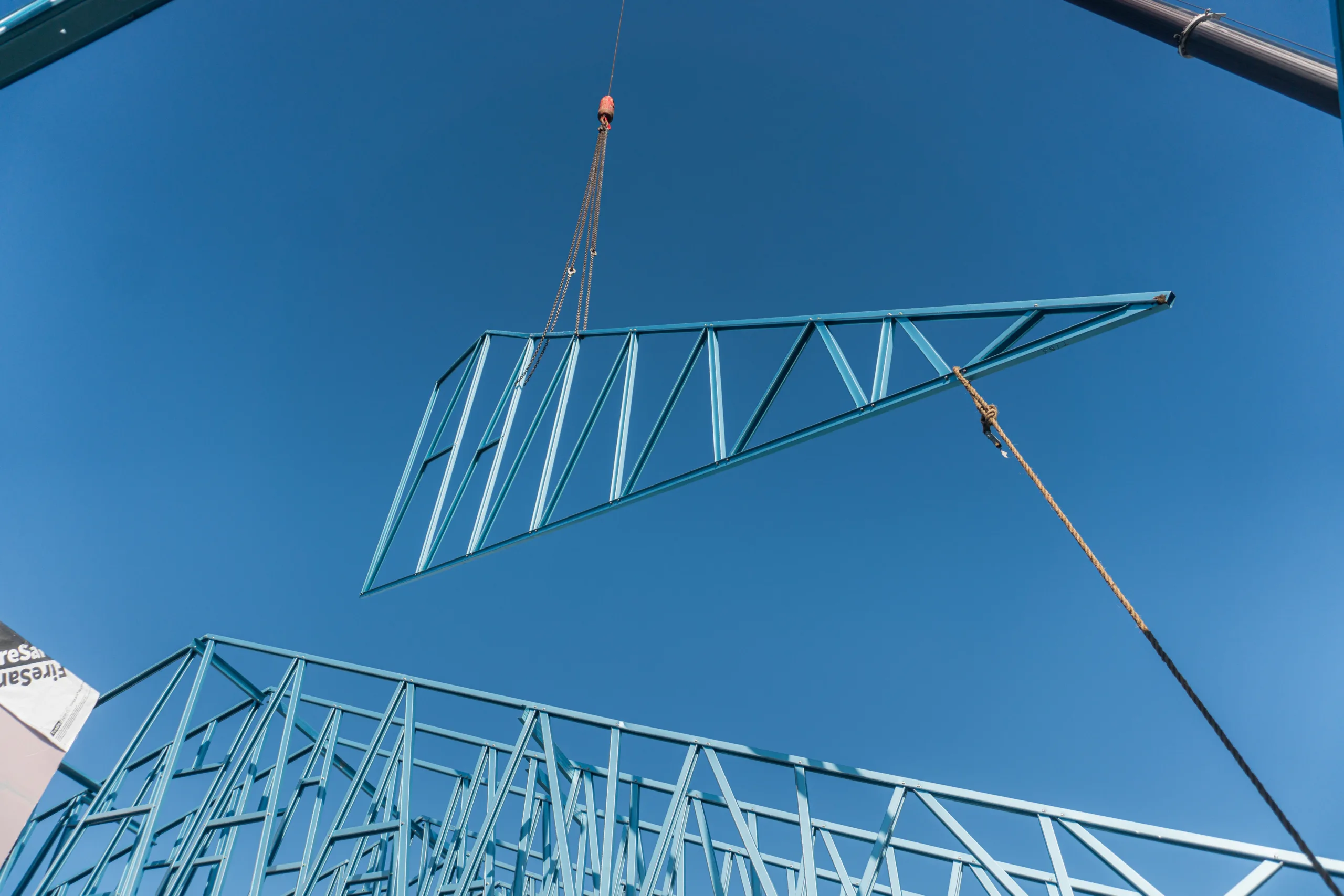
Truss: A pre-engineered structural framework composed of members organized into interconnected triangles. It is designed to bridge spaces and support roofs, distributing loads efficiently to the external walls.
Two-Ply Truss: A reinforced truss configuration made by joining two identical trusses side-by-side. This doubles the structural capacity to handle heavier concentrated loads, often used as girder trusses.
Heel: The joint or point of intersection at the base of a truss where the top chord and the bottom chord meet, resting directly over the wall support or top plate.
Top Chord: The uppermost inclined structural member of a truss that outlines the roof profile and typically experiences compressive forces under gravity loads.
Bottom Chord: The lowermost horizontal (or angled) structural member of a truss that establishes the ceiling line and typically experiences tensile forces.
Webbing (Web Members): The internal structural members that connect the top and bottom chords of a truss, forming the triangular patterns that transfer forces throughout the system.
Pitch: The incline of the roof surface, often expressed as a percentage.
Slope: The angle of the roof surface relative to the horizontal plane, typically measured and expressed in degrees.
Pitching Point: The specific geometric reference point—usually located at the intersection of the top chord’s outer edge and the external face of the wall frame—from which the roof’s pitch or slope is calculated and set.
Part III – Drainage and Finishing Elements
Proper drainage and finishing details are essential for the long-term performance of any cold-formed steel roofing system.
Gutter: A narrow trough fixed along the eave line (attached to the fascia) designed to collect rainwater shedding from the roof planes and channel it toward the drainage outlets.
Downspout (Downpipe): A vertical pipe or conduit that connects to the gutter system to conduct collected rainwater from the roof level down to the ground drainage, stormwater network, or storage tanks.
Barge Capping (Bargeboard Capping): The protective flashings or trims fixed along the sloping edge of a gable roof (the bargeboard). It seals the intersection between the roofing sheets and the wall structure, preventing wind uplift and water ingress at the gable ends.
Why Understanding CFS Roof Terminology Matters
Every successful CFS project starts with a clear understanding of the system being designed and manufactured. Designers must accurately define roof geometry, engineers must analyze structural performance, and production teams must convert digital models into manufacturable components. When terminology is misunderstood, mistakes can occur during detailing, fabrication, and installation.
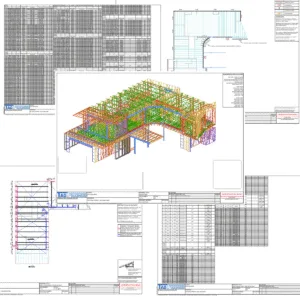
When using advanced roll forming technology, precise terminology becomes even more important because software models directly drive manufacturing output. A properly documented CFS roof ensures that trusses, rafters, openings, pitches, and drainage details are correctly interpreted before production begins. This reduces rework, improves coordination, and helps maintain project schedules.
How Roll Forming Technology Supports CFS Roof Manufacturing
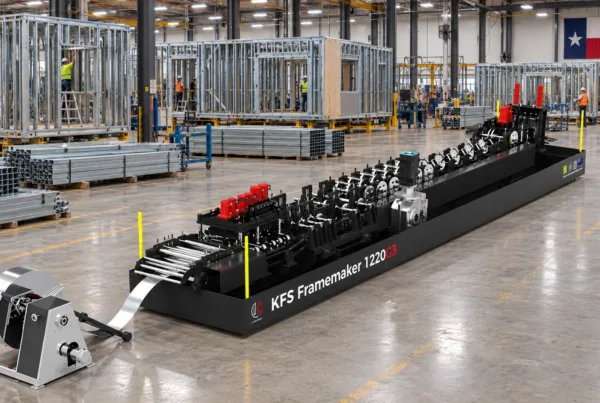
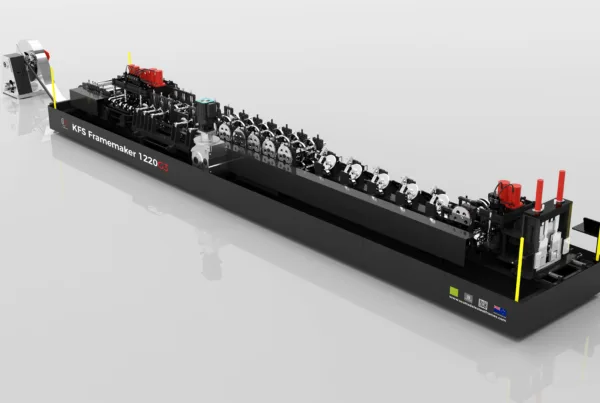
Modern roll forming technology has transformed how cold-formed steel roof systems are manufactured. Instead of manually measuring and cutting components, sophisticated software communicates directly with automated steel framing machines to produce highly accurate systems.
Our steel framing machines can manufacture complete CFS roof systems, including trusses, rafters, and framing systems, with precise dimensions and labeling. Because roll forming technology is integrated with digital design workflows, manufacturers can achieve greater consistency, improved quality control, and reduced material waste.
As adoption of cold-formed steel continues to increase, understanding roof terminology remains the foundation of successful project delivery. Combined with advanced roll forming technology and automated steel framing machines, this knowledge enables teams to design, manufacture, and assemble high-performance CFS roof systems with greater efficiency and accuracy.
CFS Roof Manufacturing with Scottsdale’s Solutions
Scottsdale Construction Systems provides a complete solution for manufacturing virtually any type of CFS roof system through its Scotpanel and Scottruss roll forming machine families. Whether the project requires simple gable roofs, complex hip and valley configurations, long-span trusses, mono-pitch roofs, mansards, gambrels, or custom architectural roof geometries, Scottsdale’s integrated software and manufacturing ecosystem can accurately design, engineer, and produce the required framing components. The combination of advanced design software, engineering tools, and automated roll forming equipment allows manufacturers to efficiently produce high-quality cold-formed steel roof systems with exceptional accuracy and repeatability.
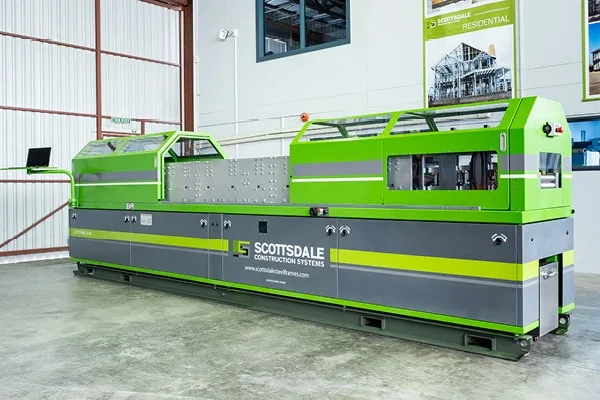
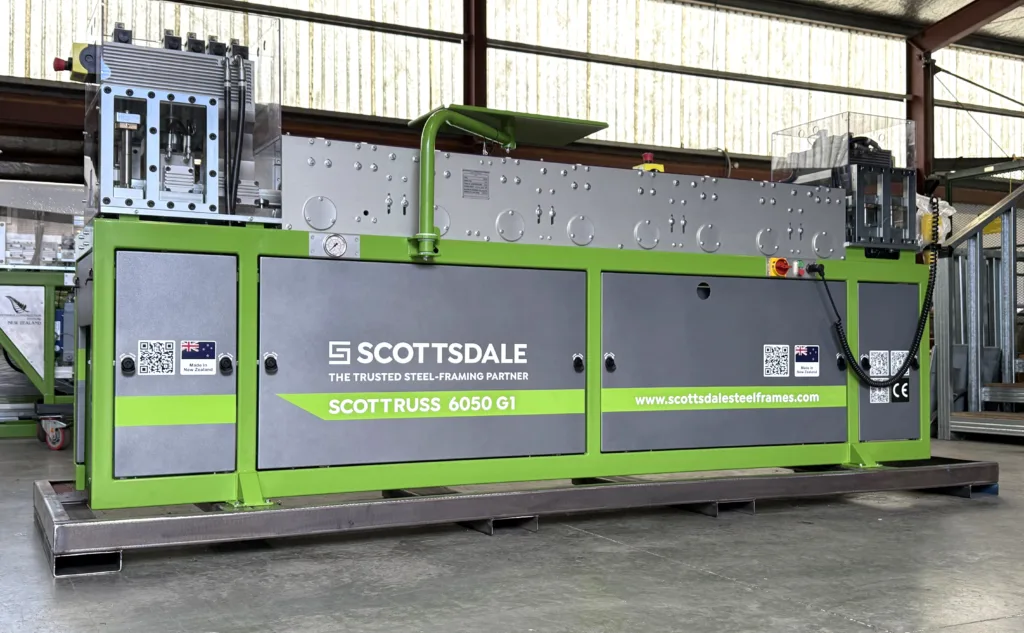
The Scotpanel and Scottruss roll forming machine families have been used to manufacture thousands of CFS roof systems around the world. Scottsdale has also developed an extensive library of guides, articles, videos, and technical resources covering roof design, truss engineering, fabrication methods, and installation best practices. A great visual reference demonstrating the wide variety of roof shapes and truss configurations that can be produced using Scottsdale’s technology can be found in the Sketchfab model below.
This model highlights the versatility of the system and illustrates how different roof geometries can be manufactured using Scottsdale’s roll forming technology.
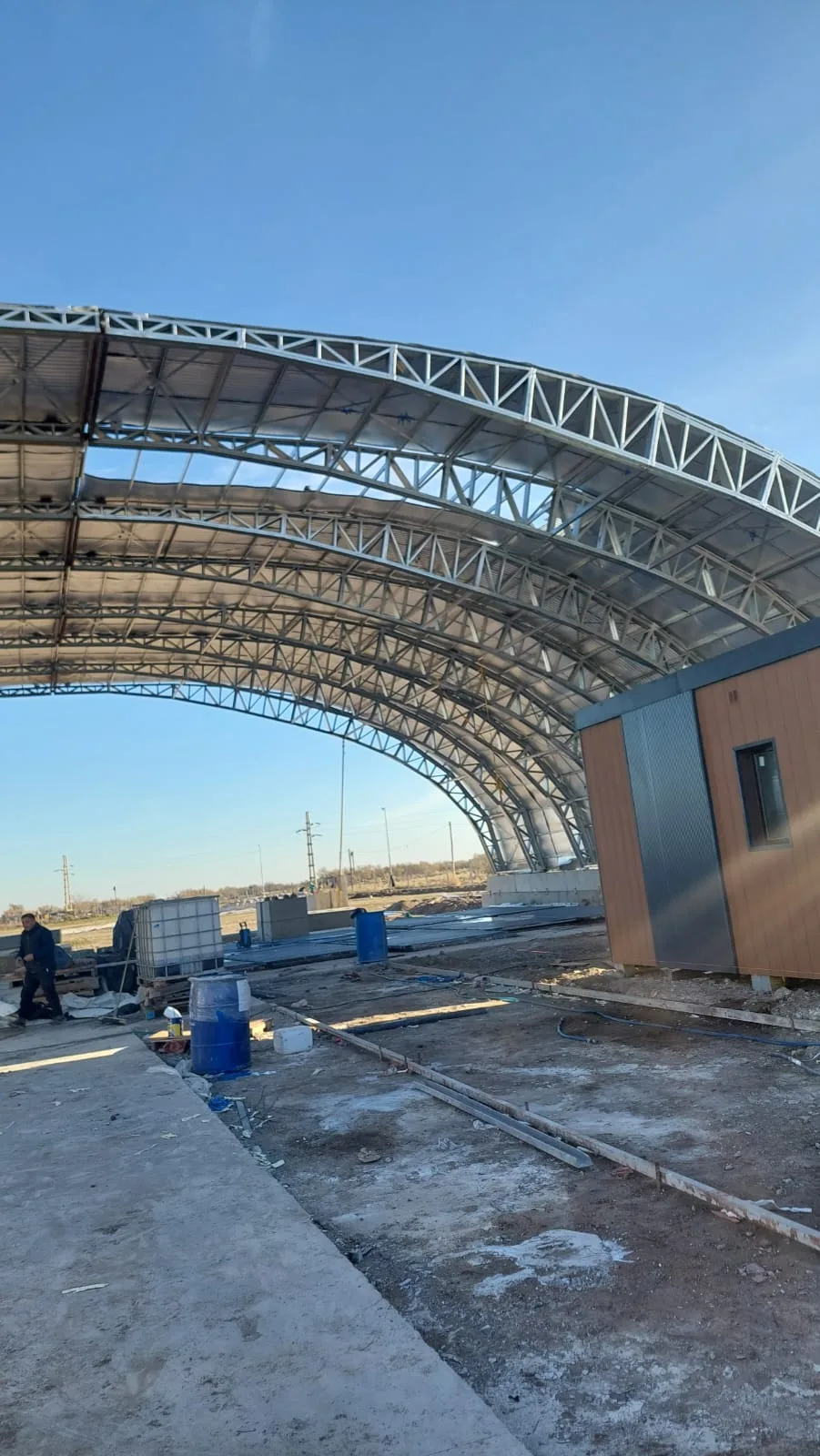
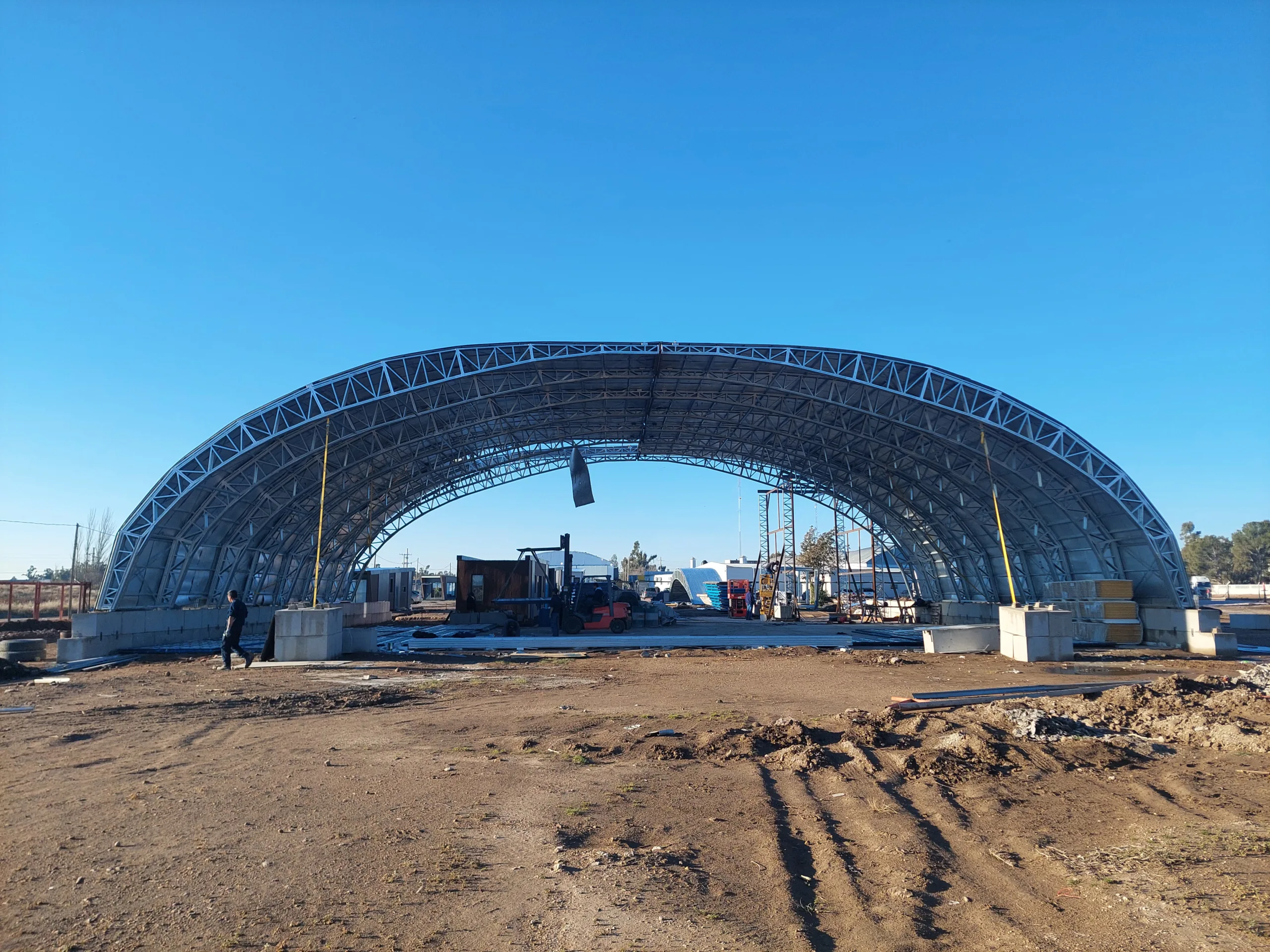
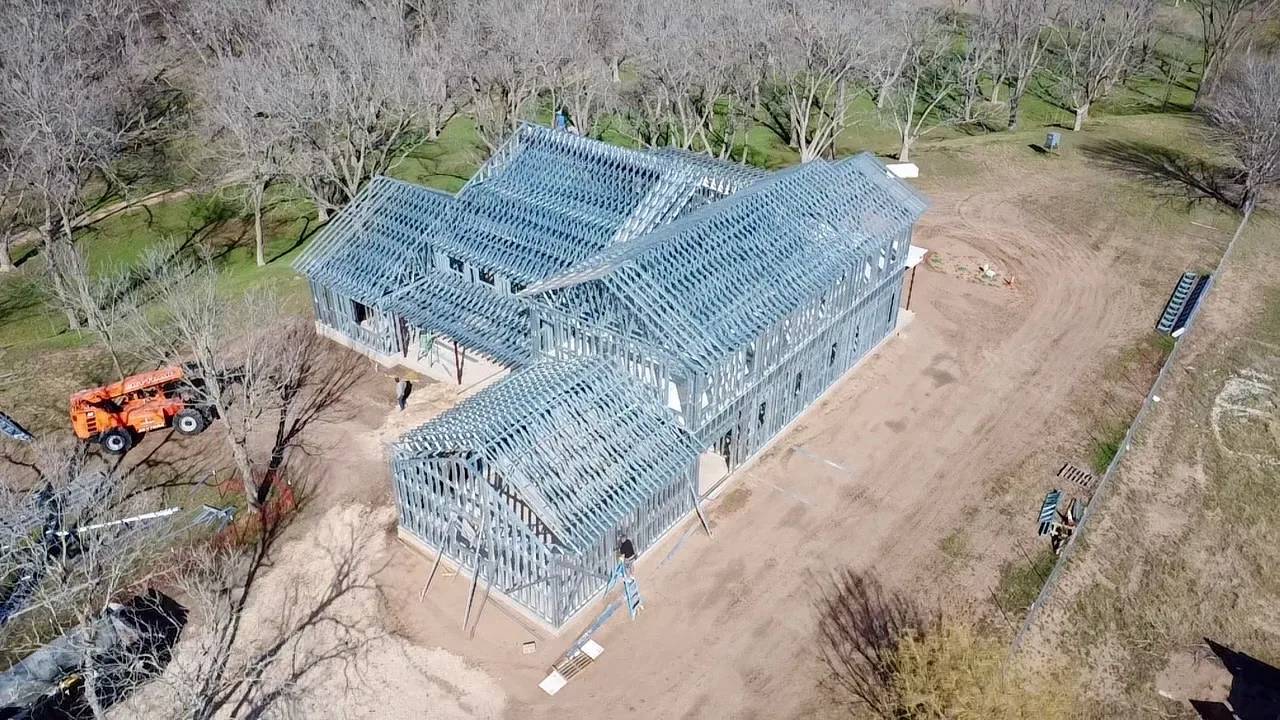
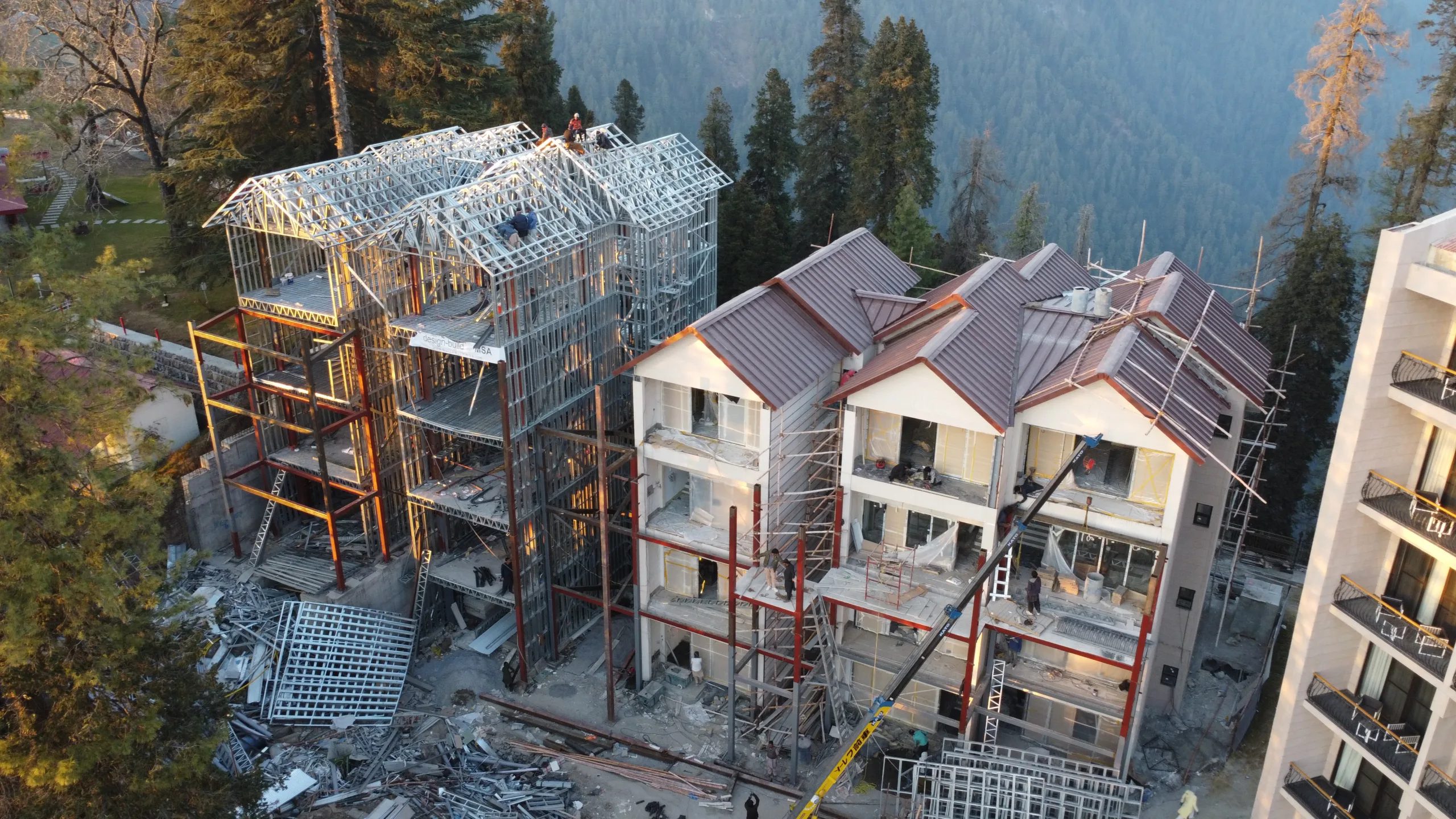
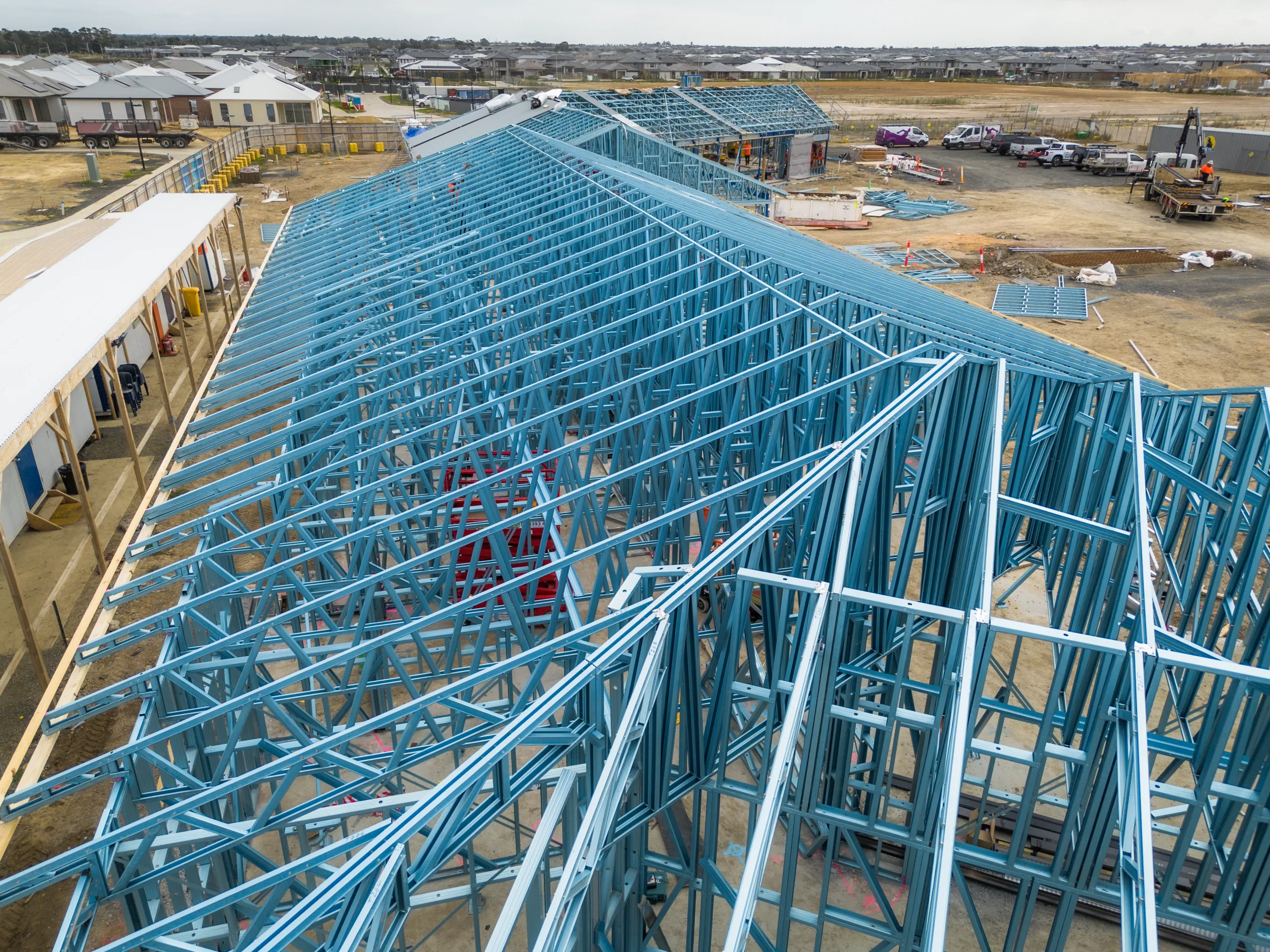
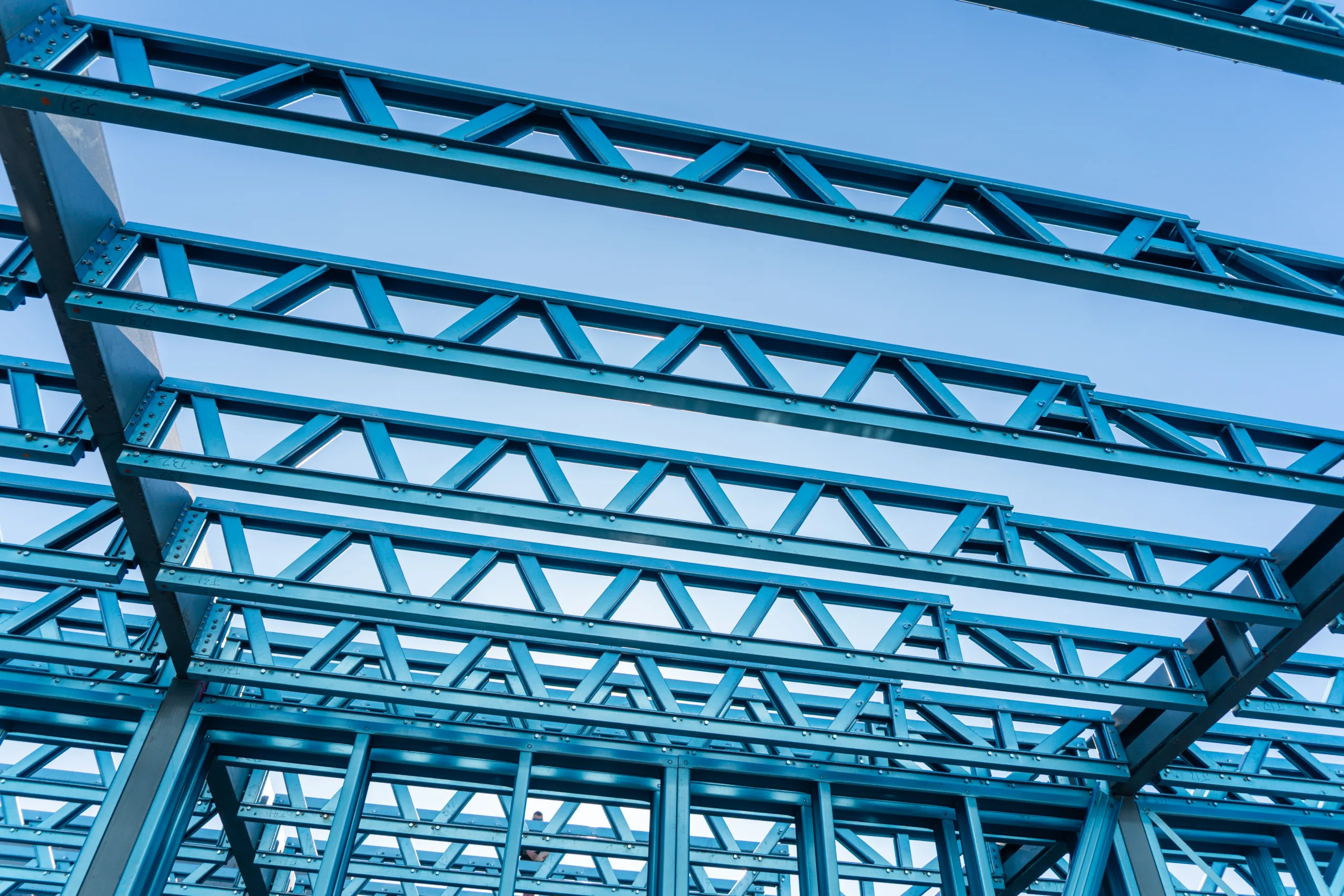
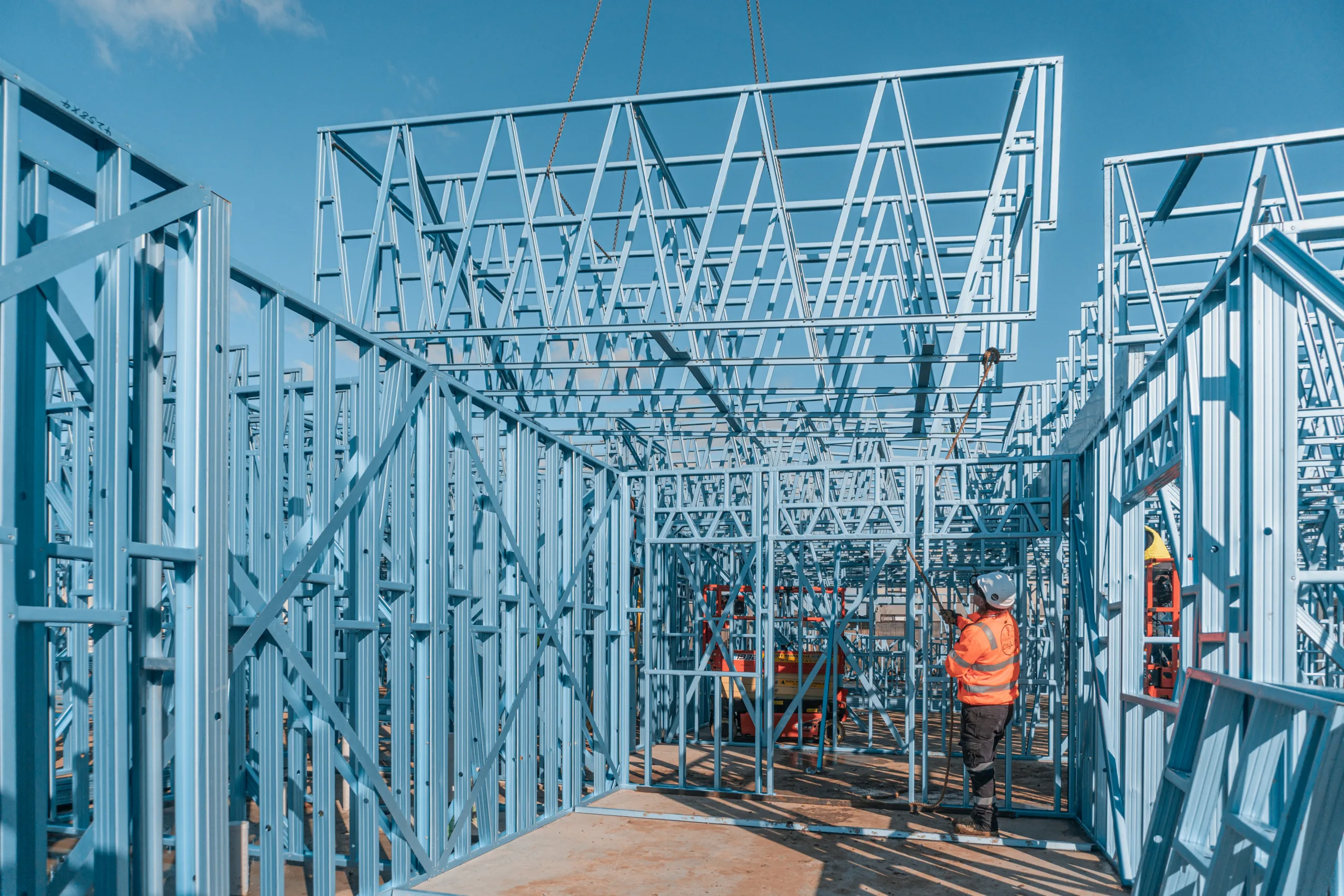
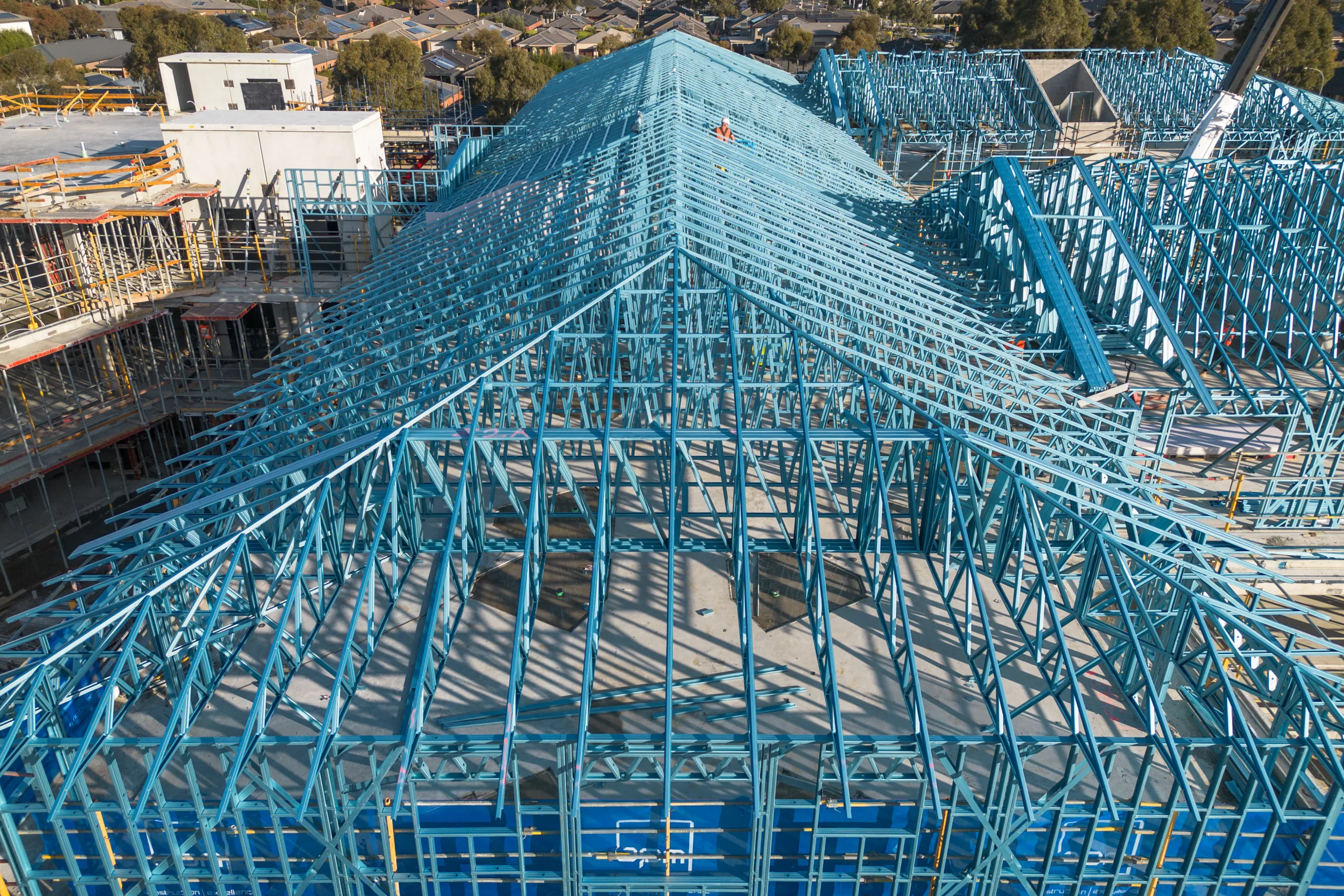
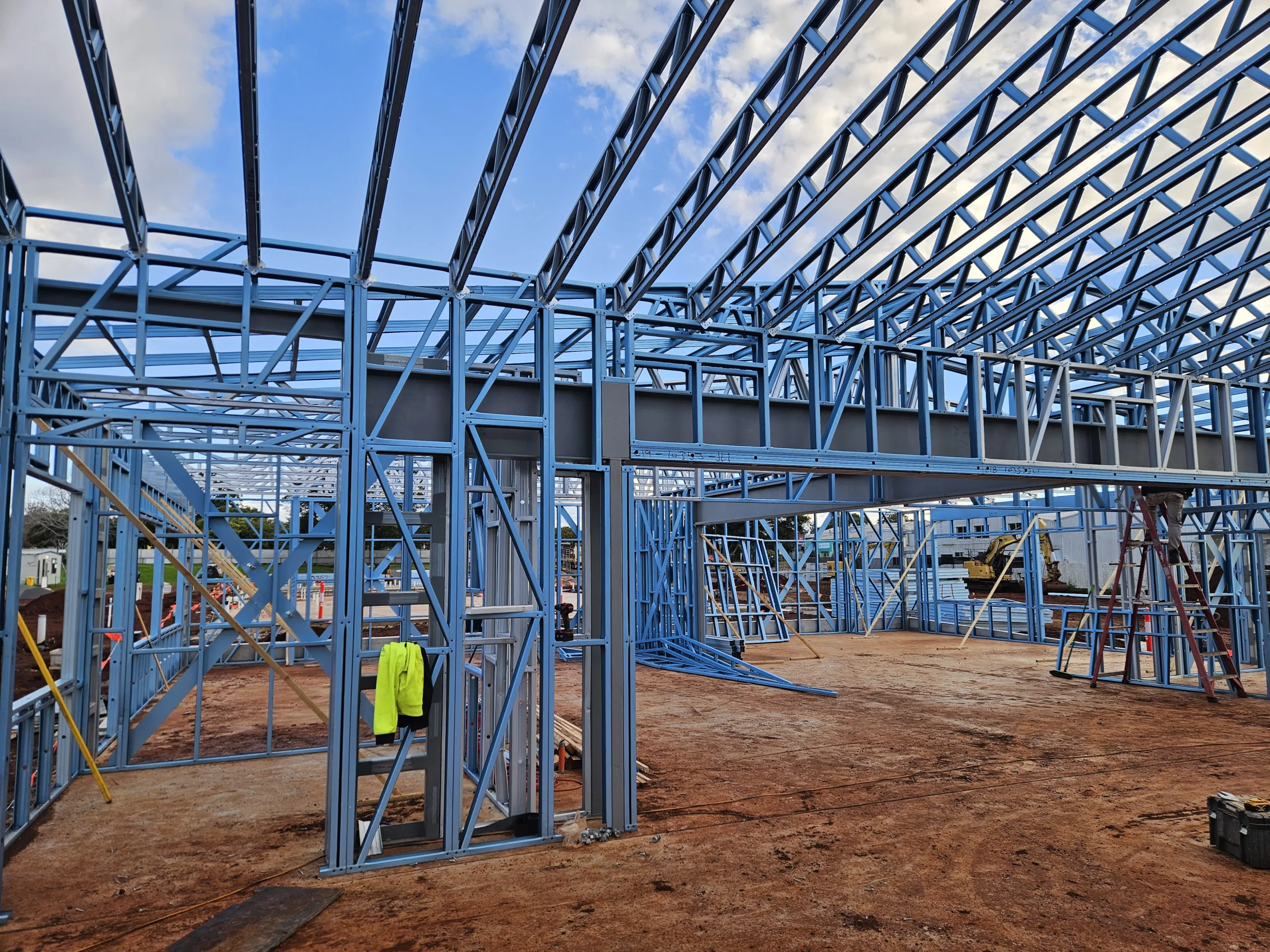
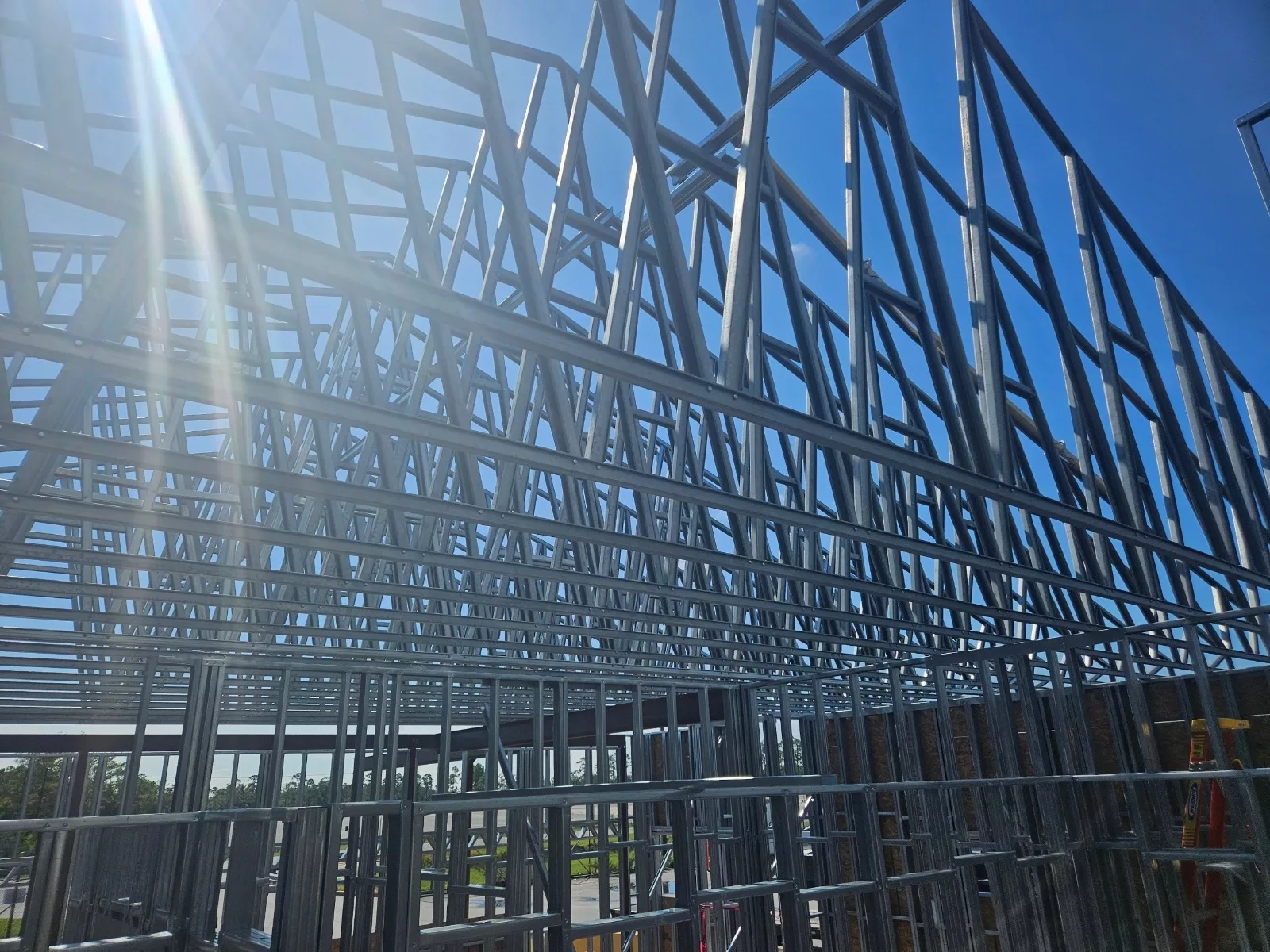
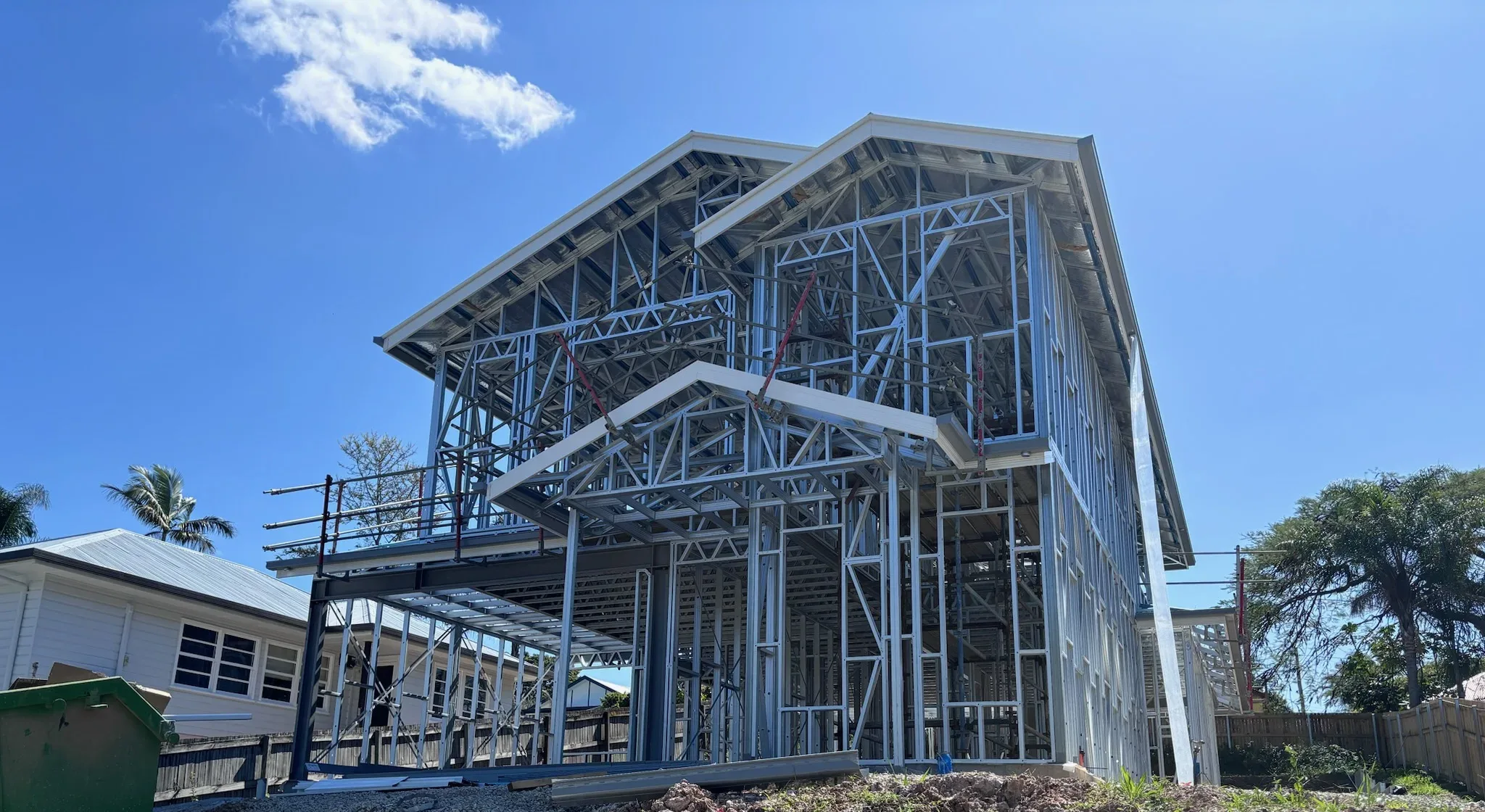
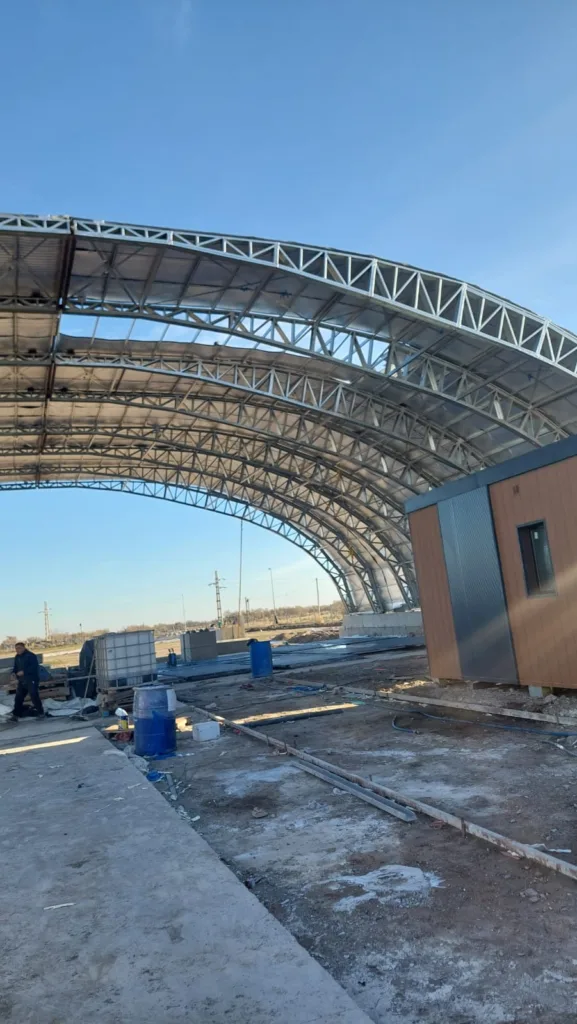
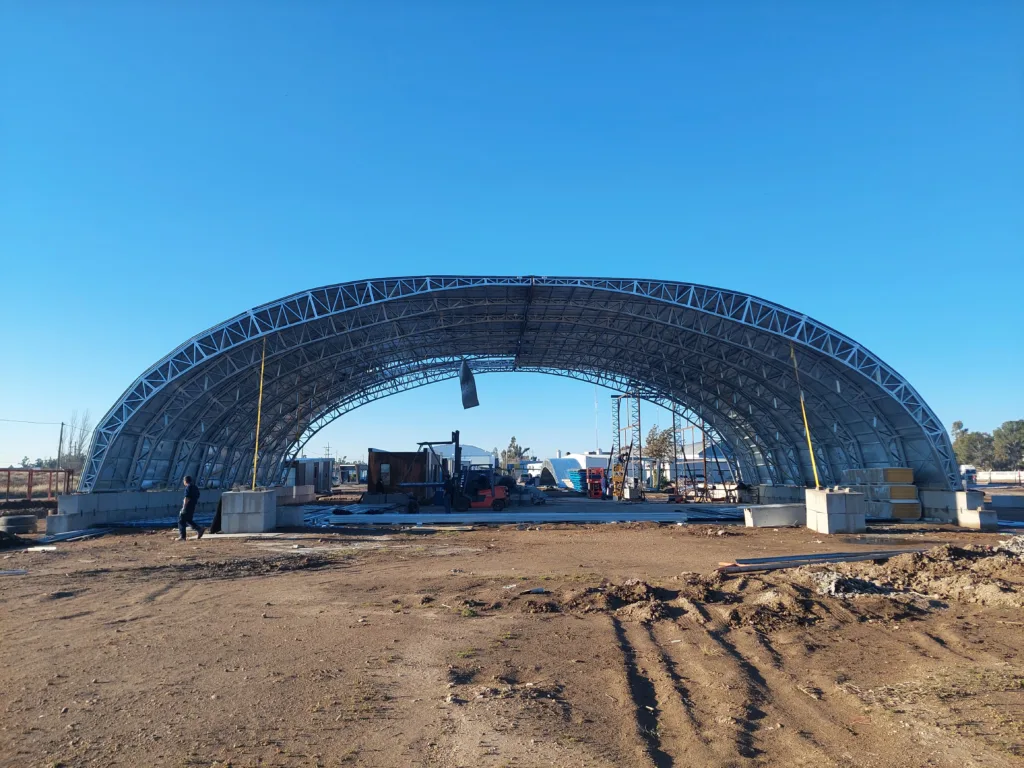
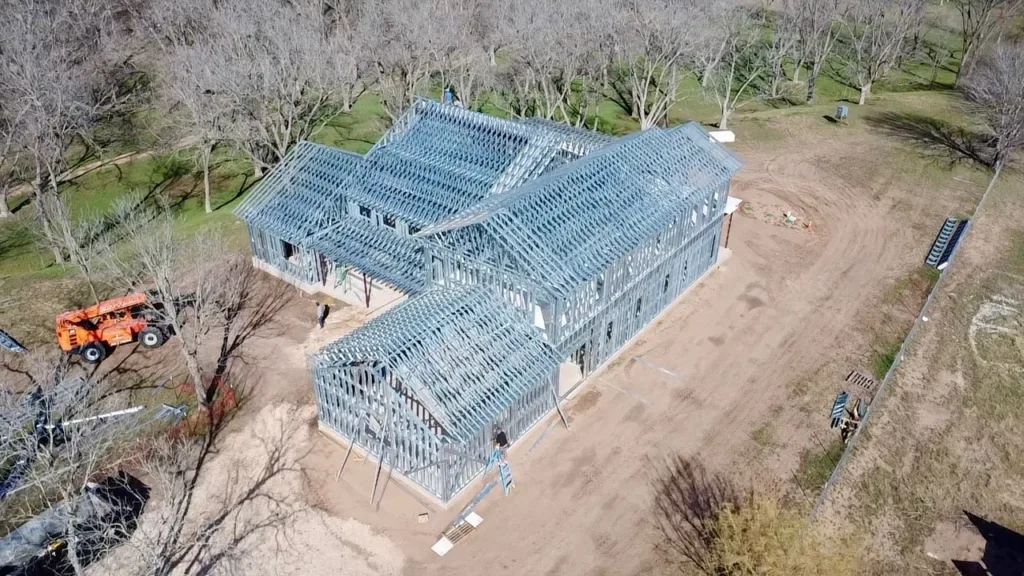
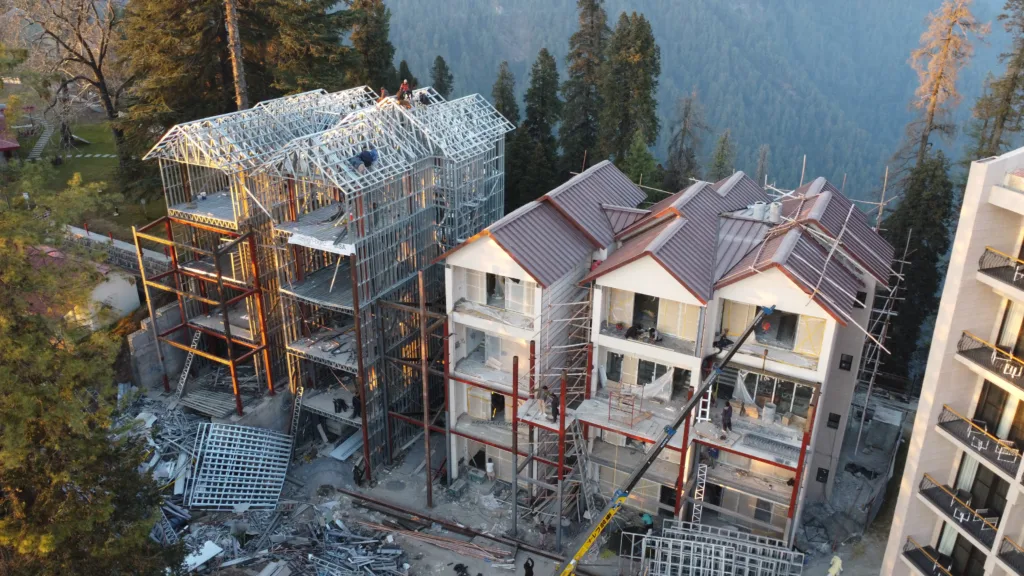
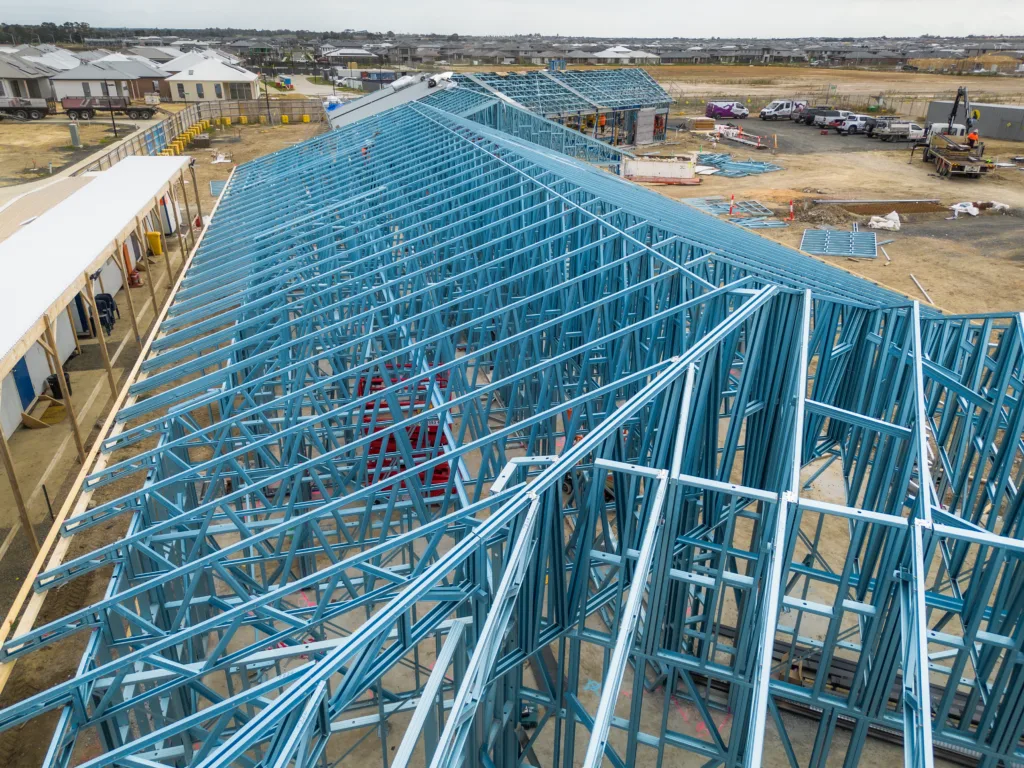
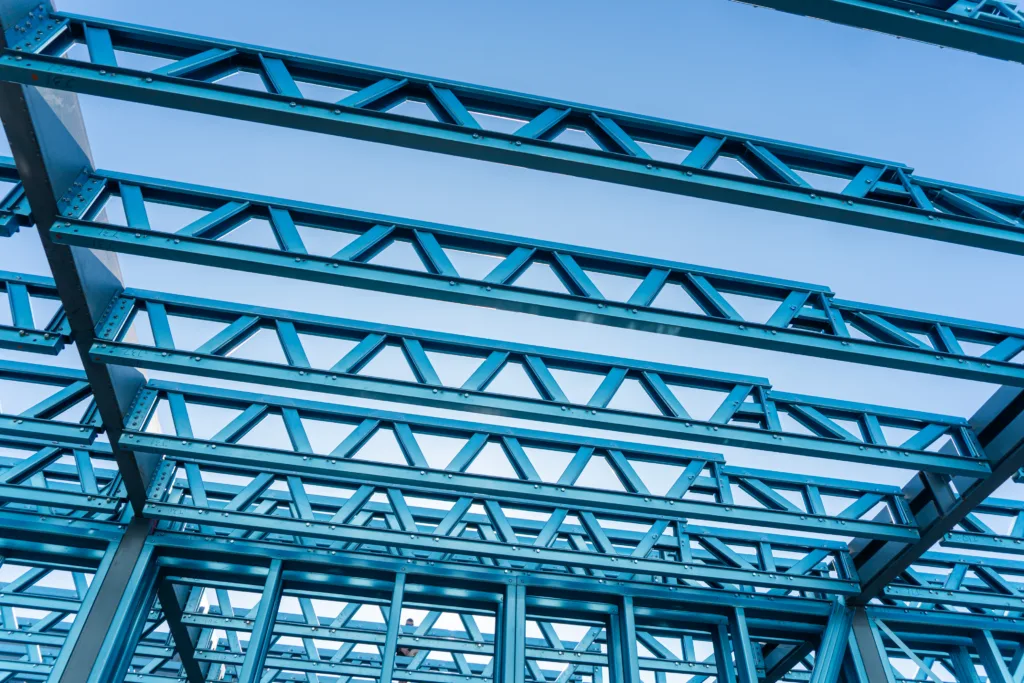
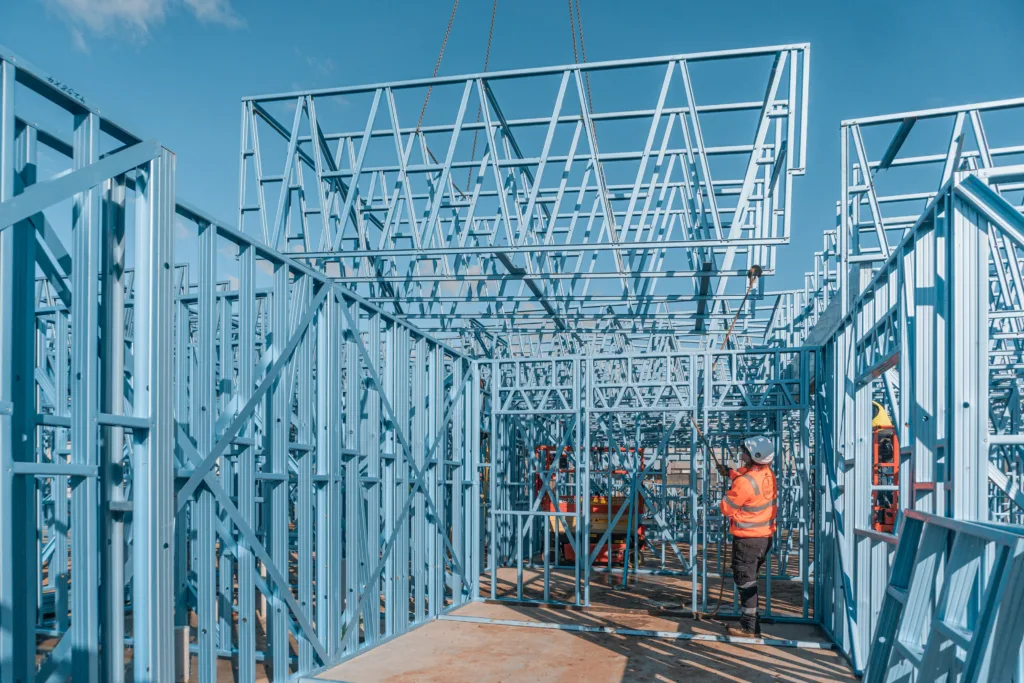
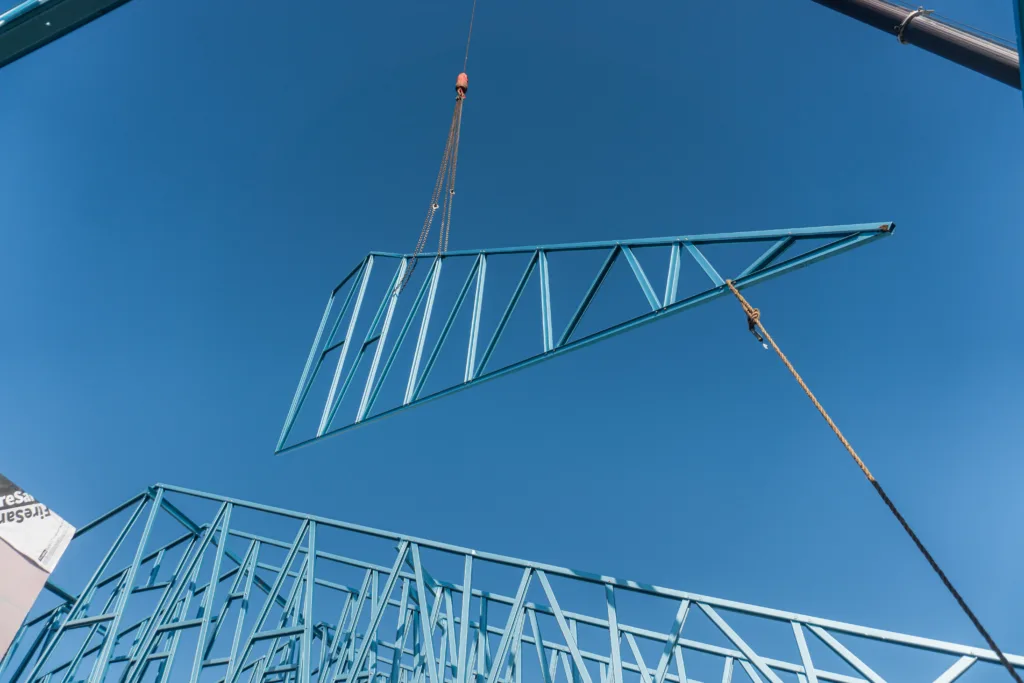
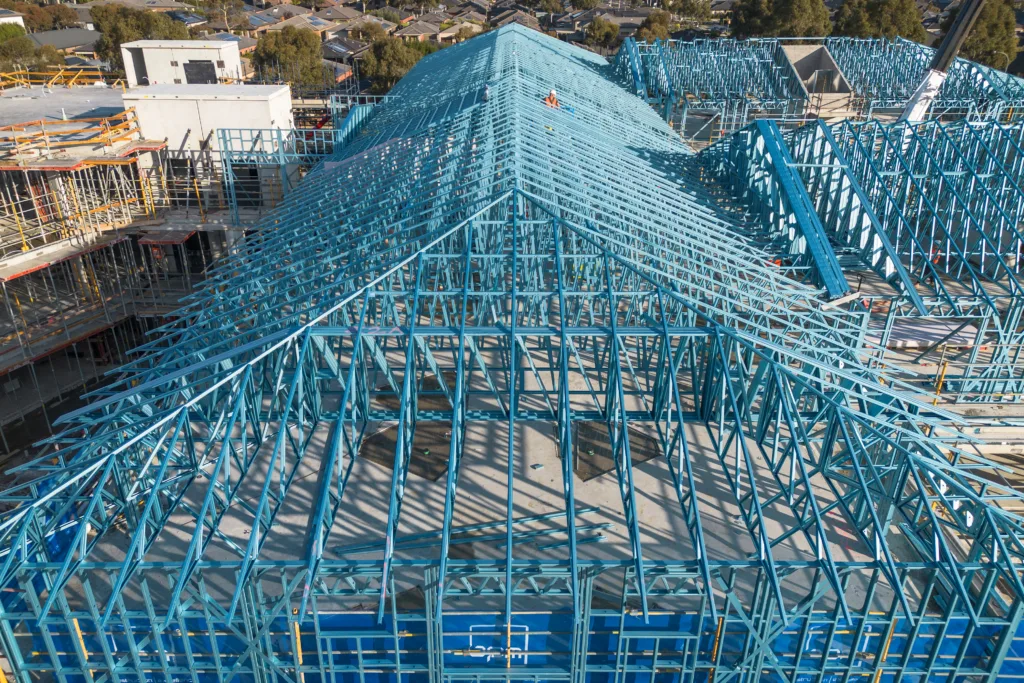
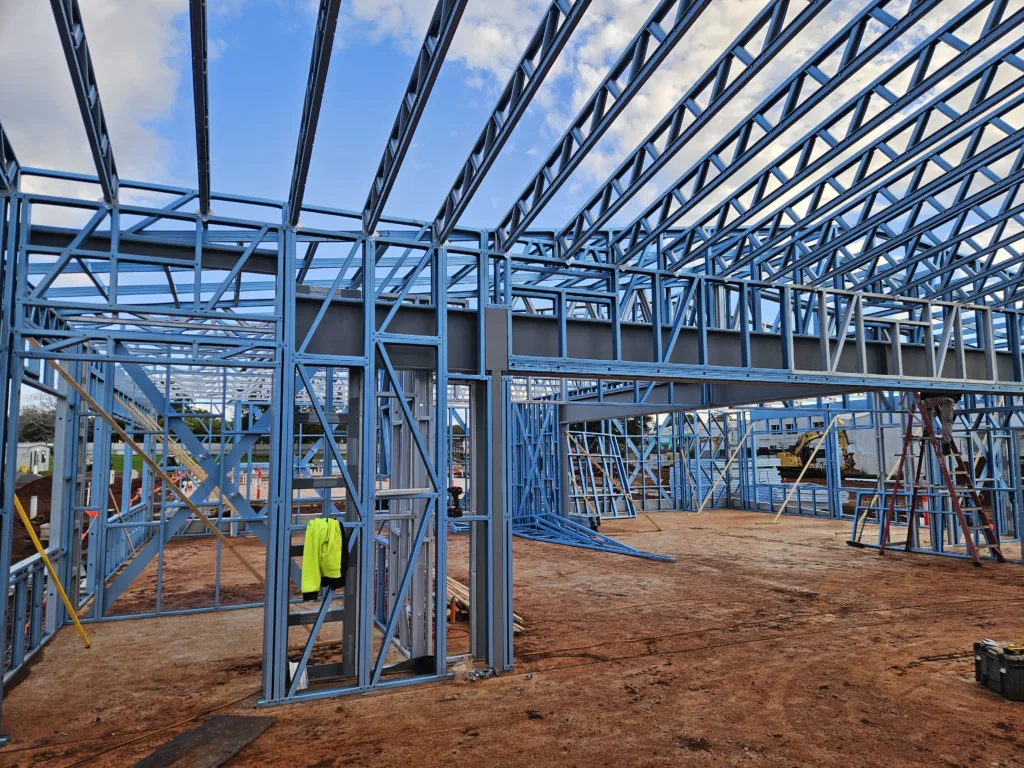
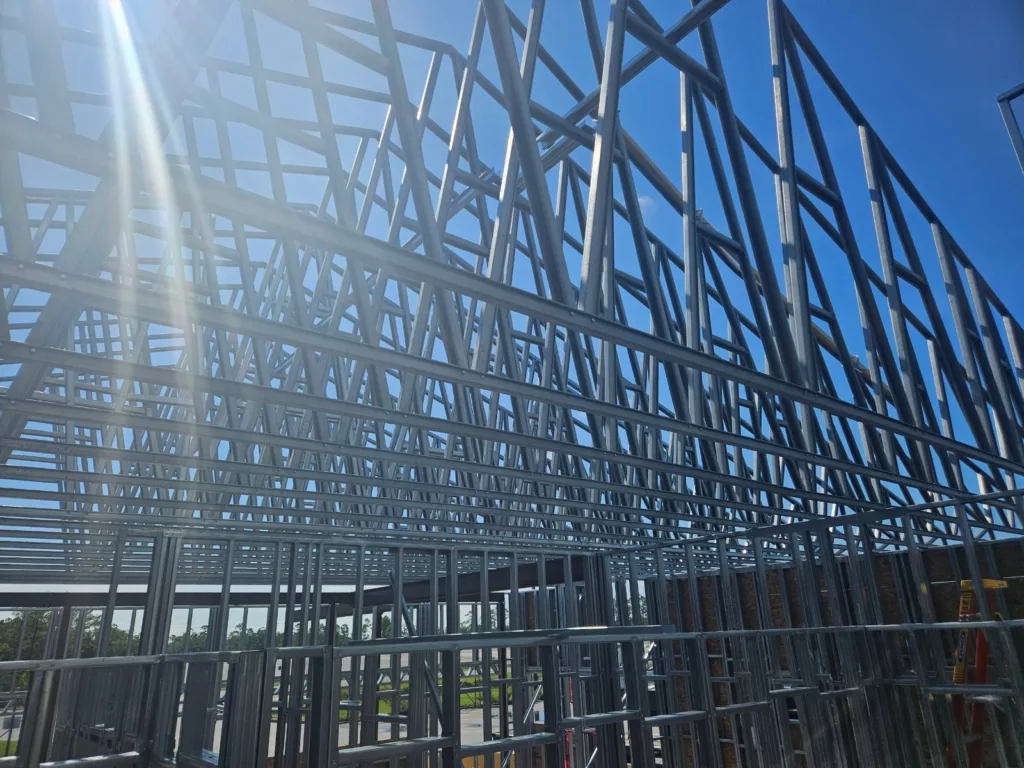
Today, Scottsdale customers across North America, Europe, Australia, New Zealand, Asia, the Middle East, and South America are delivering residential, commercial, institutional, hospitality, and modular construction projects using cold-formed steel roof systems manufactured on Scotpanel and Scottruss roll forming machines. From custom homes and multifamily developments to schools, healthcare facilities, hotels, and large-scale commercial buildings, these manufacturers continue to demonstrate the flexibility and scalability of CFS roof production. The images below showcase just a small sample of the many CFS roof systems being fabricated and installed by Scottsdale customers globally.
Additional Scottsdale Roll Forming Solutions and Resources
- Blog – Overcome Complex CFS Truss Design with New Steel Framing Technology
- Blog – New Solutions for Fascia Bracket Installation in Cold-Formed Steel
- Blog – Strengthening of Hat Section Trusses Under Heavy Loads
- Blog – Enhancing Cee-Section Trusses for Heavy Load Applications: Techniques and Innovations
- Blog – Remarkable Results in Steel Framing with Roll Forming Technology
- Blog – How to Achieve Better Spans with Cold-Formed Steel Trusses
- Video – Unlimited Possibilities with Scottruss High-Tech Roll Forming Machine
To learn more about Scottsdale’s roll forming solutions and steel framing ecosystem, visit us at www.scottsdalesteelframes.com, call us at +1 (888) 406-2080, or email us at rollformers@scottsdalesteelframes.info.