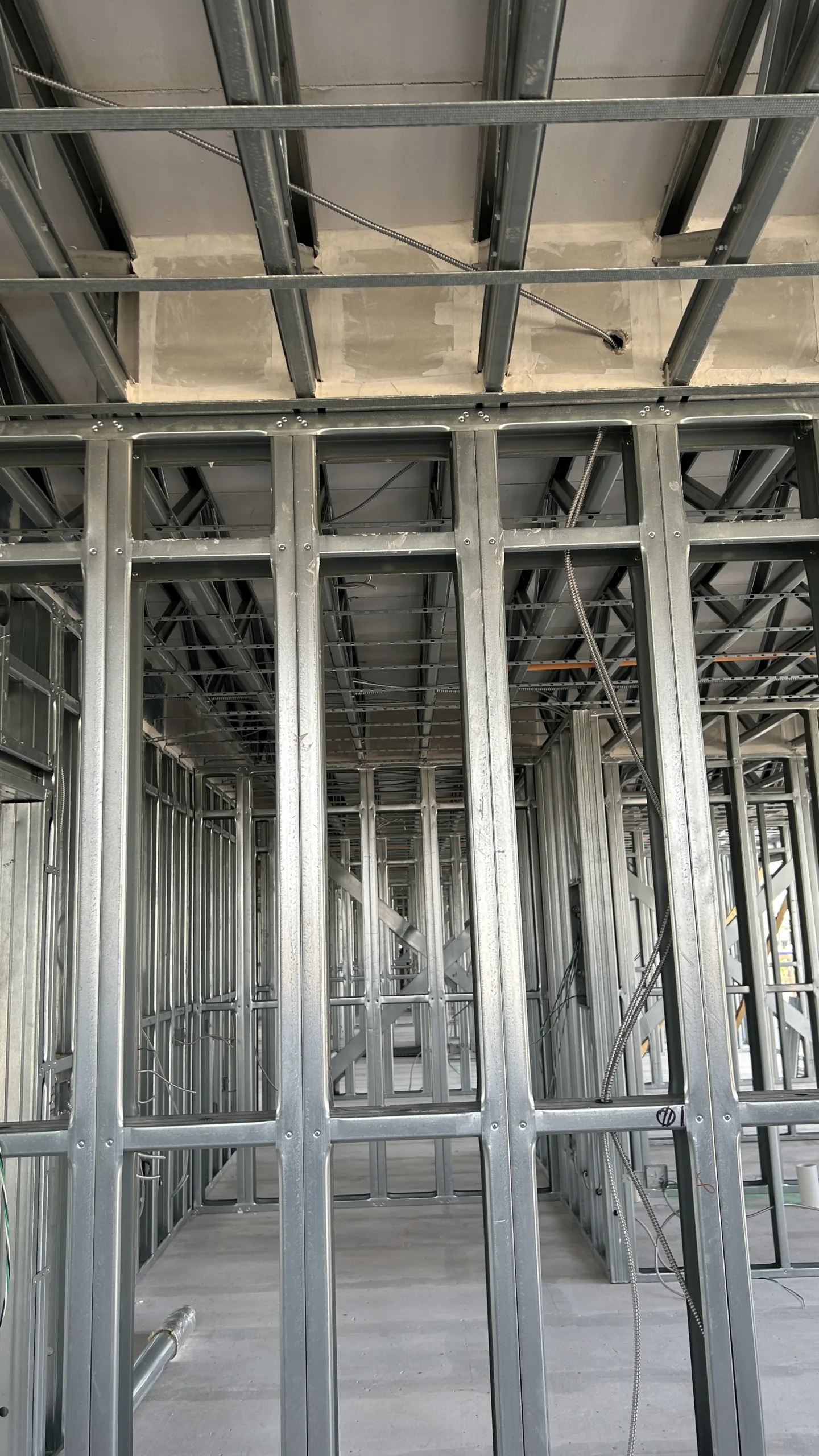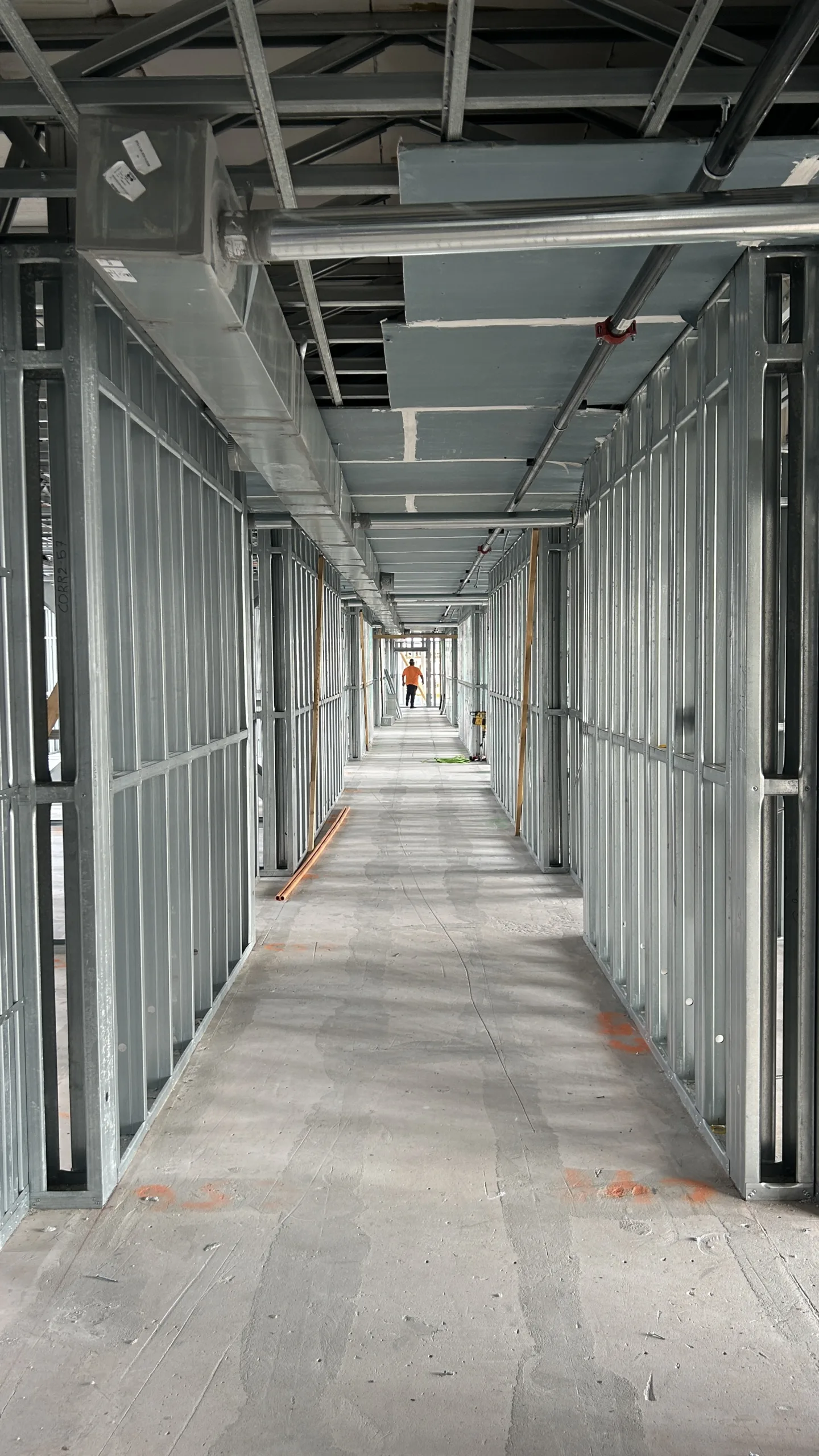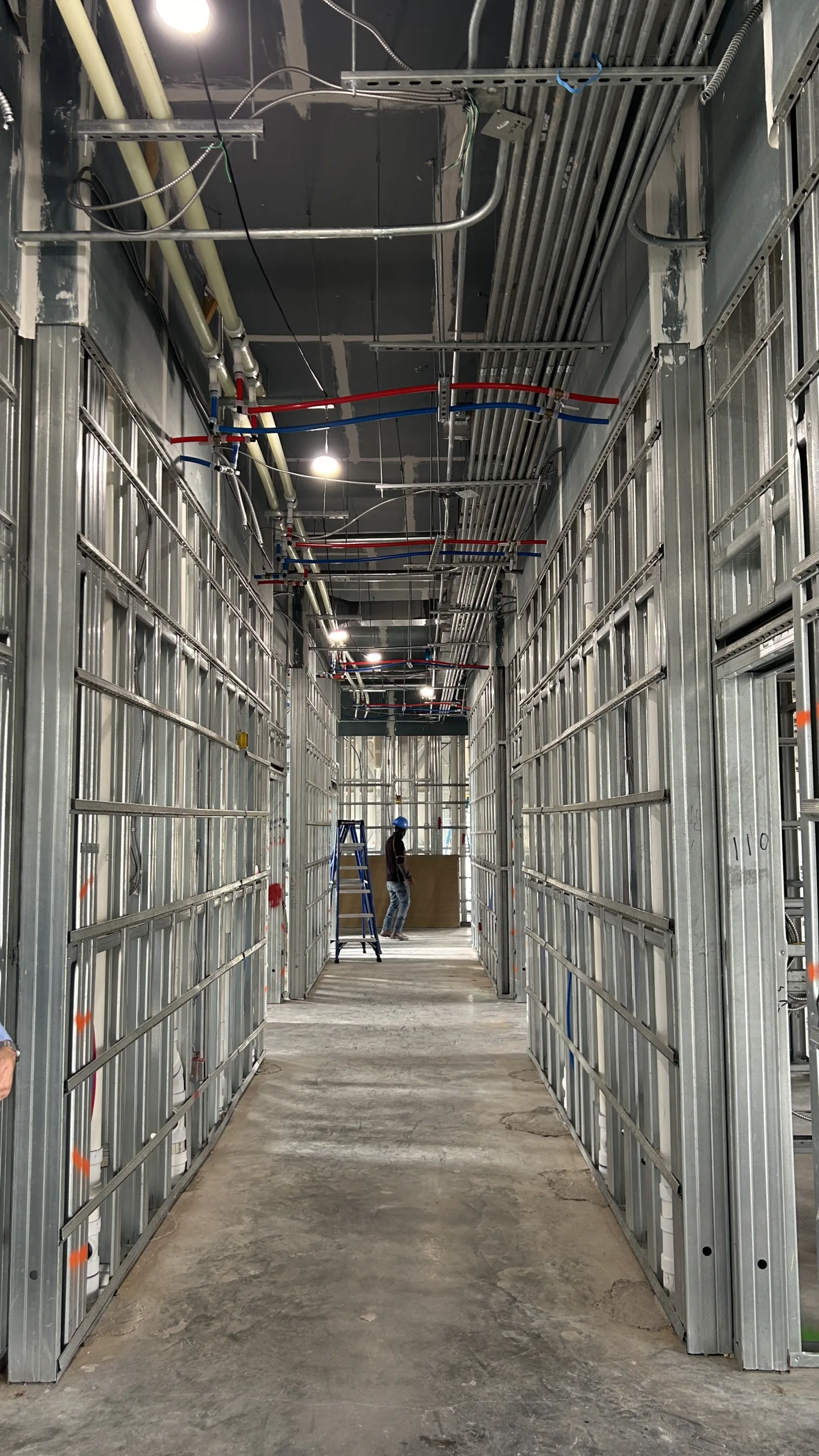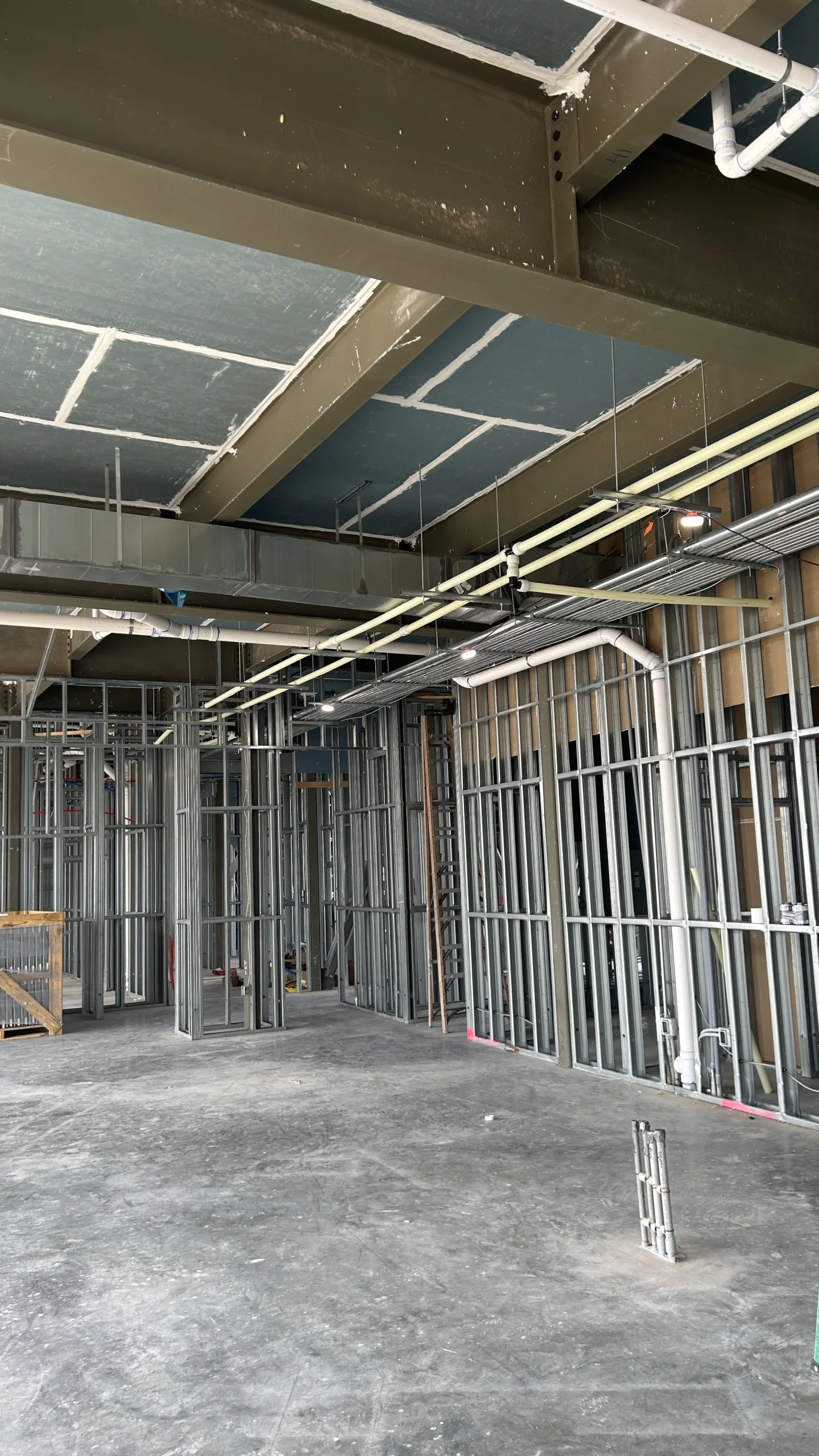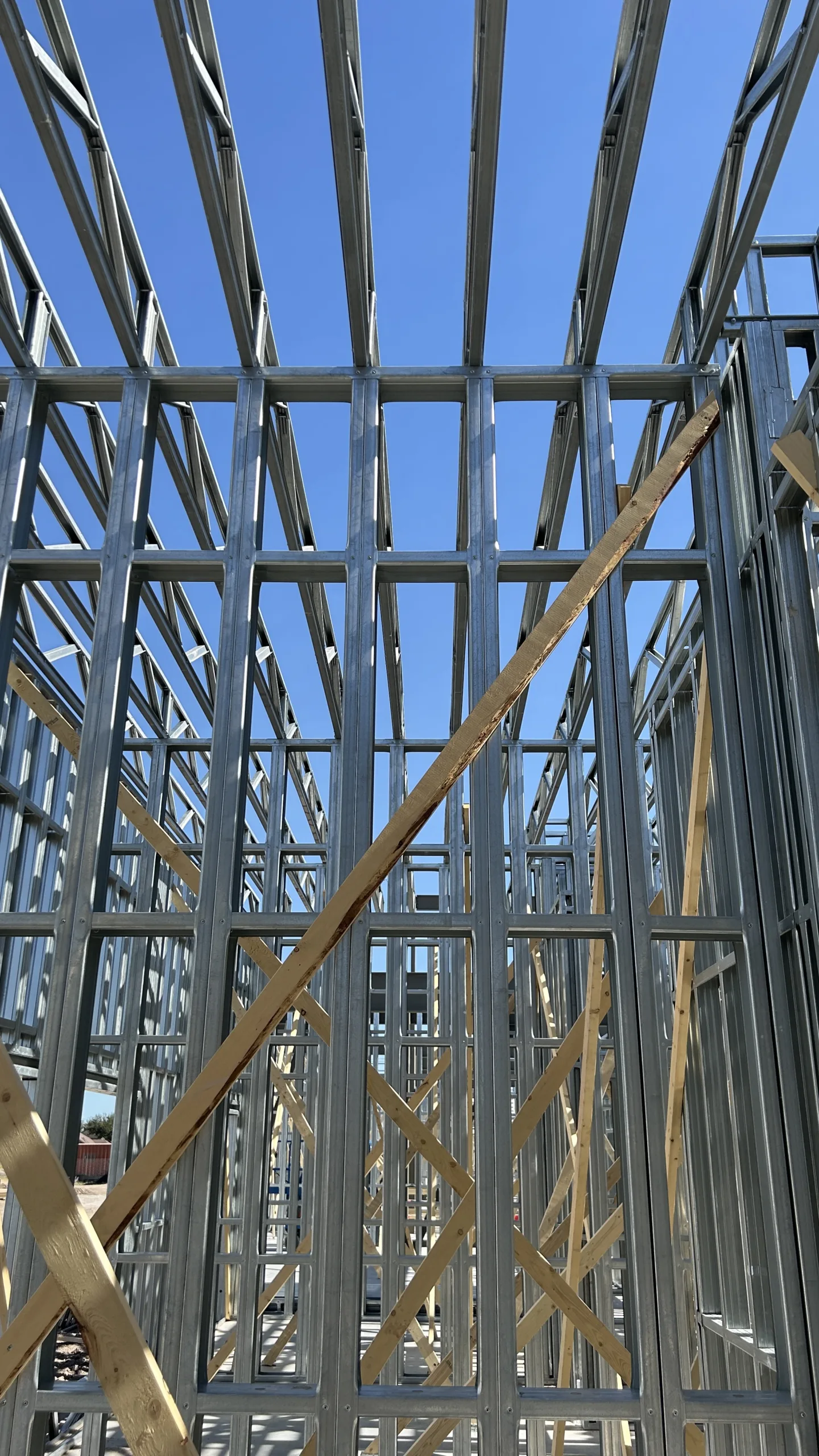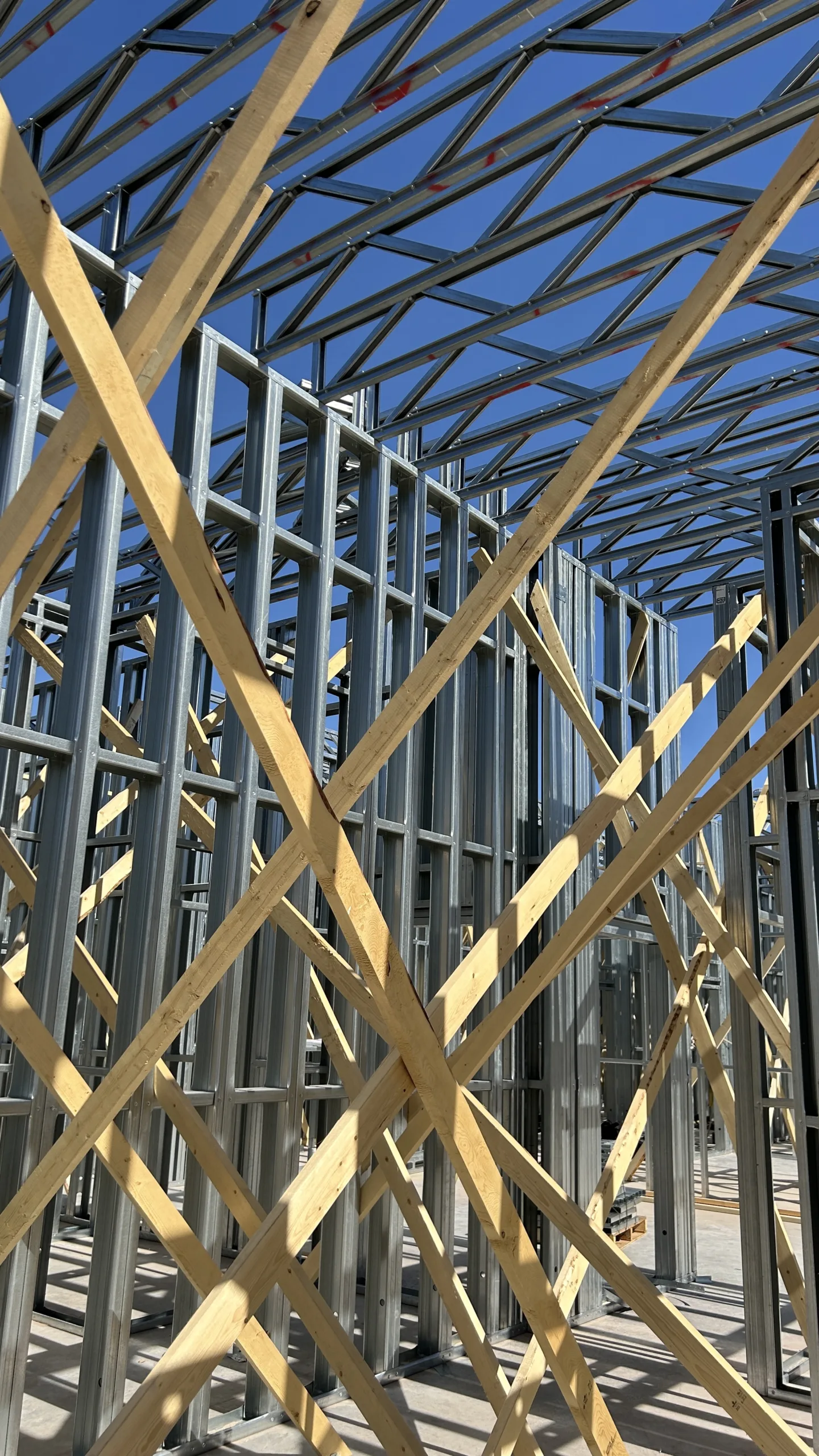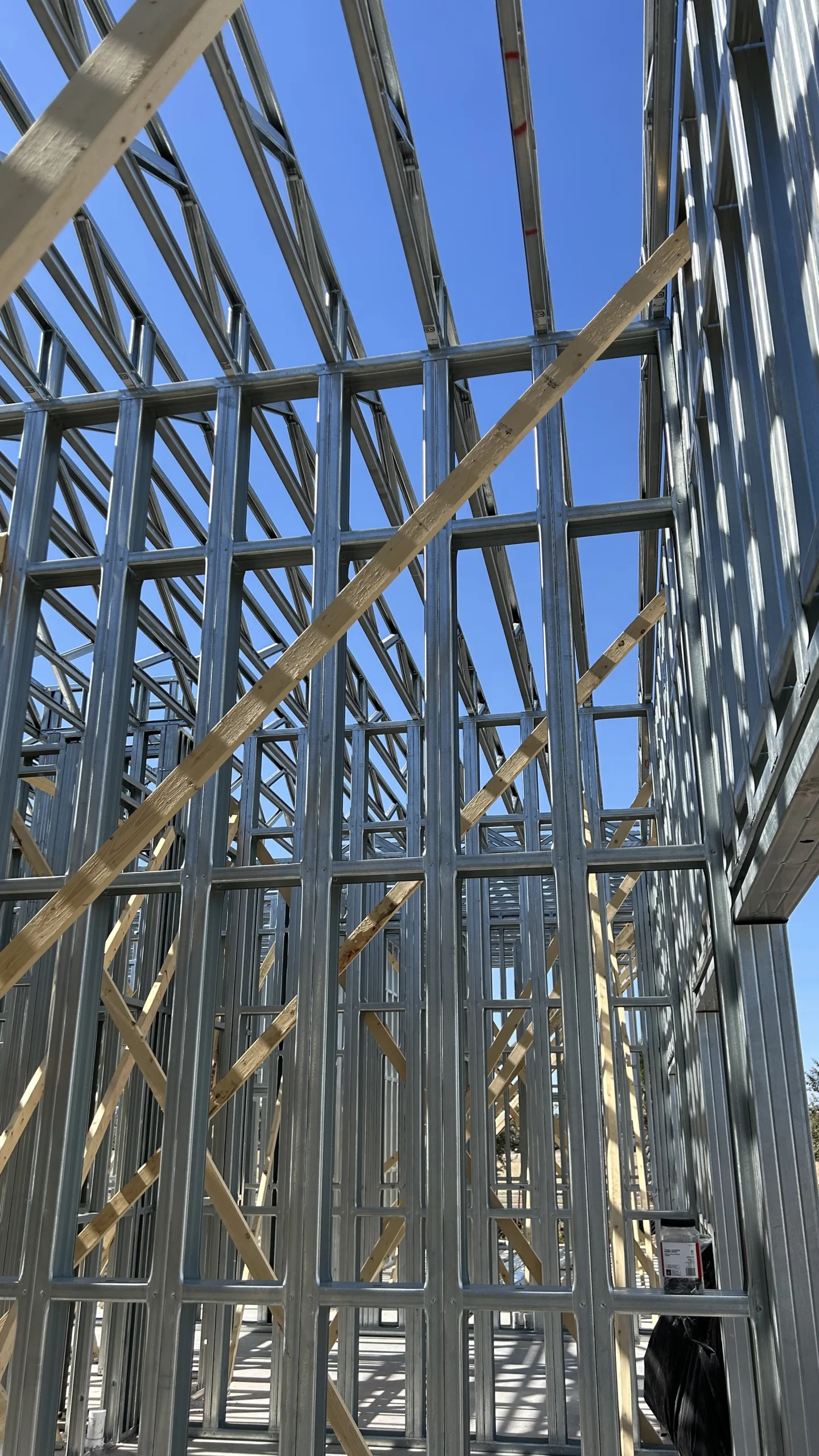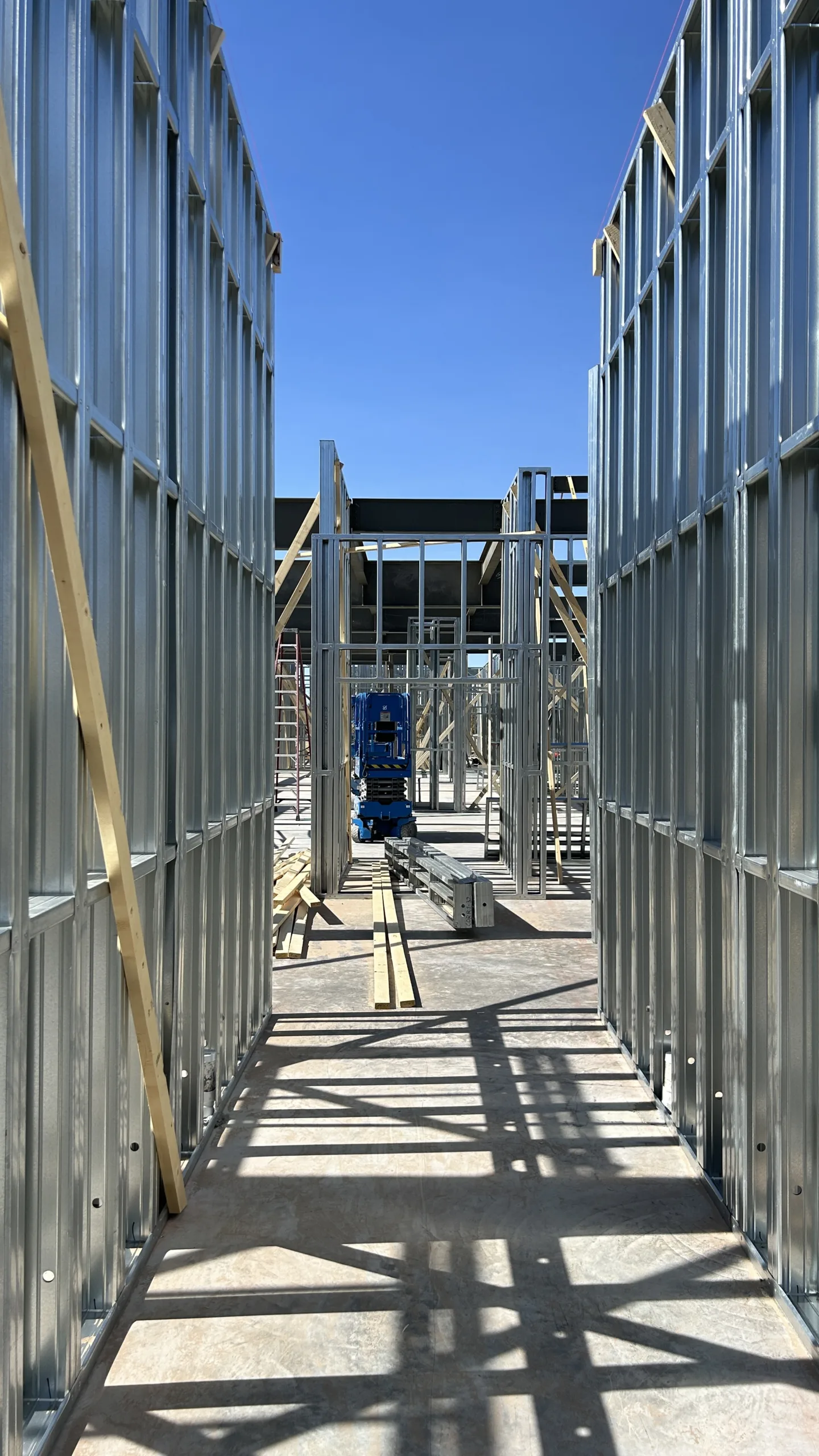
Wood framing to CFS framing conversion is becoming a smarter path for developers seeking stronger schedules, better durability, and more predictable results. As advanced cold-formed steel framing systems continue gaining traction, more owners are using roll forming technology to modernize project delivery. This trend is especially visible in hospitality projects, where speed and consistency matter. A successful framing conversion from wood to steel can protect budgets, reduce delays, and improve long-term performance with the right partnerships.
Why Wood Framing to CFS Framing Conversion Is Growing
Wood framing to CFS framing conversion is increasing as builders look for alternatives to labor shortages, moisture exposure, and increased material costs. The global cold-formed steel framing market continues to expand, with industry forecasts showing steady growth through the decade. That momentum is helping steel framing move deeper into commercial and high-rise sectors.
For developers, CFS framing offers dimensional consistency, non-combustible material advantages, and compatibility with panelized workflows. Modern cold-formed steel framing systems also allow precise engineering and rapid manufacturing. With digital production and advanced roll forming technology, teams can accelerate schedules while improving quality. That makes framing conversion from wood to steel especially attractive for time-sensitive commercial and hospitality projects.
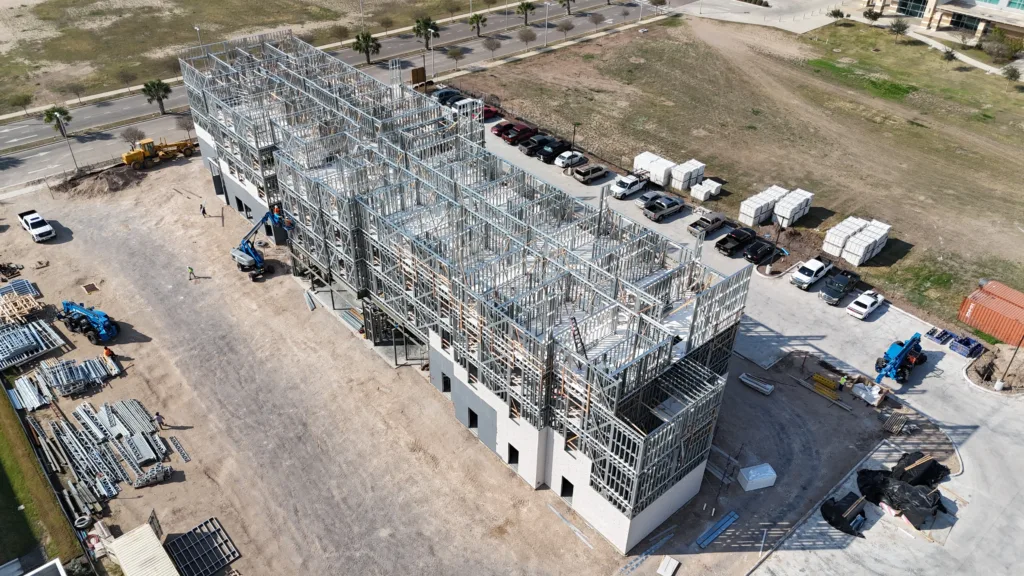
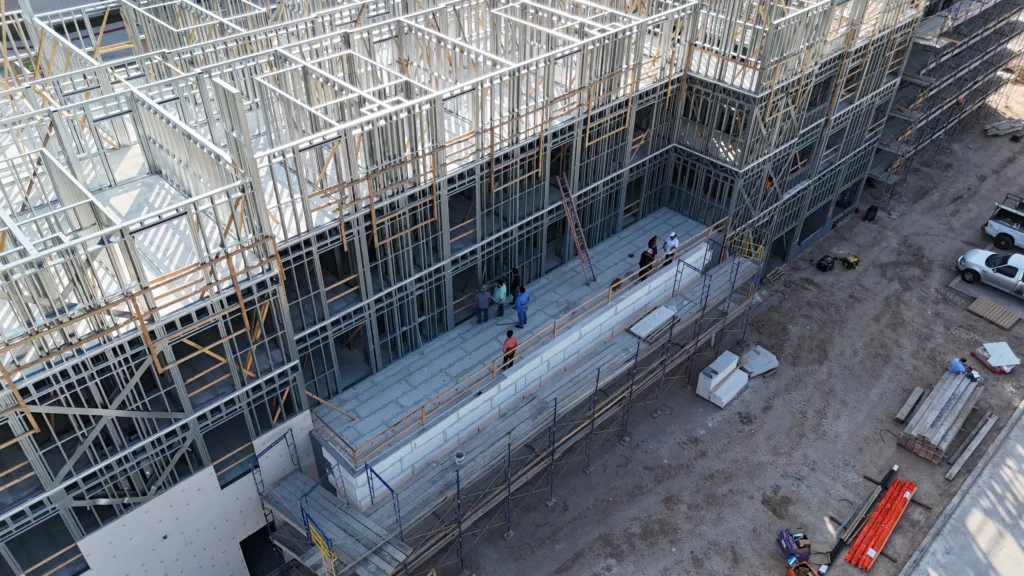
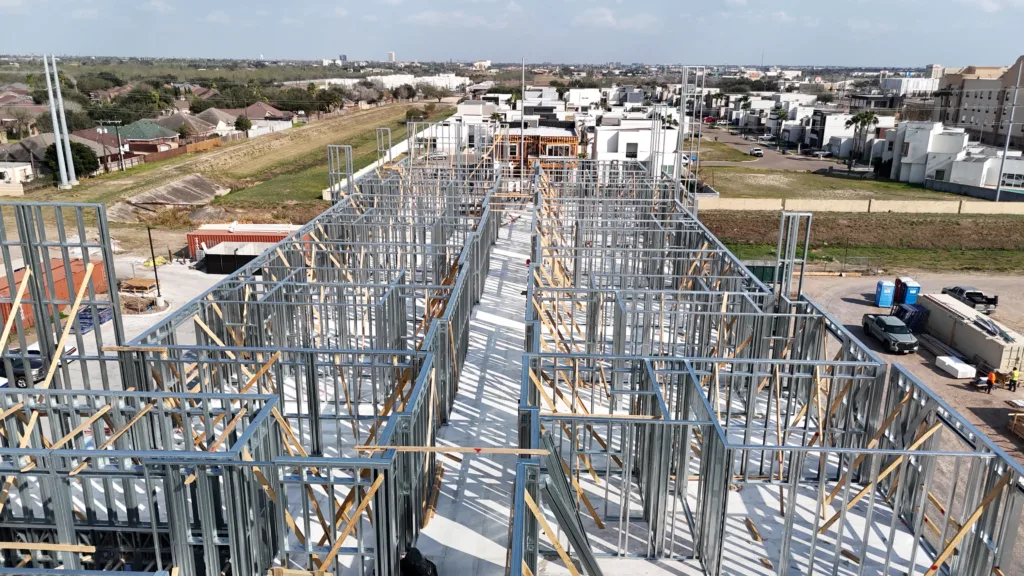
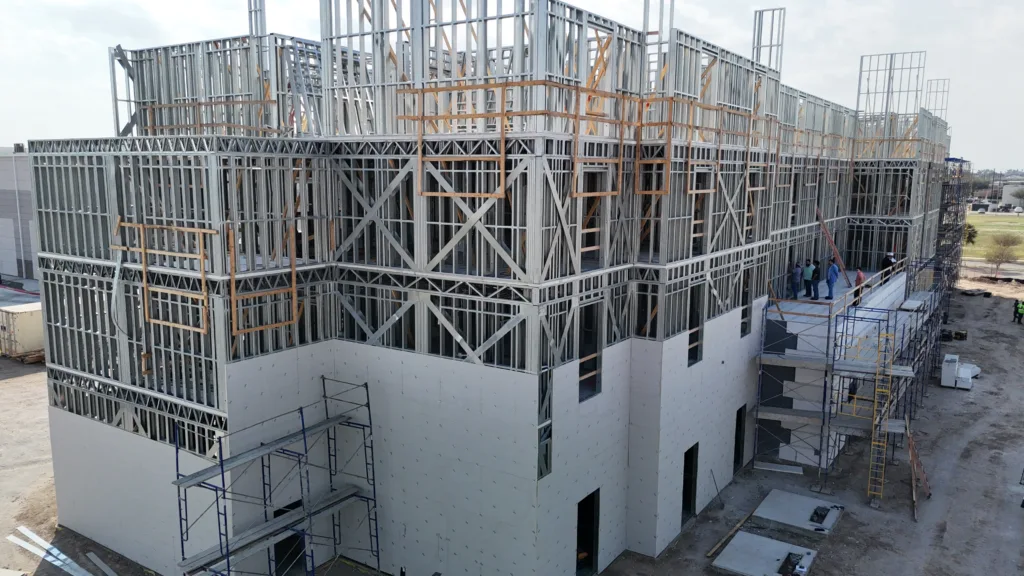
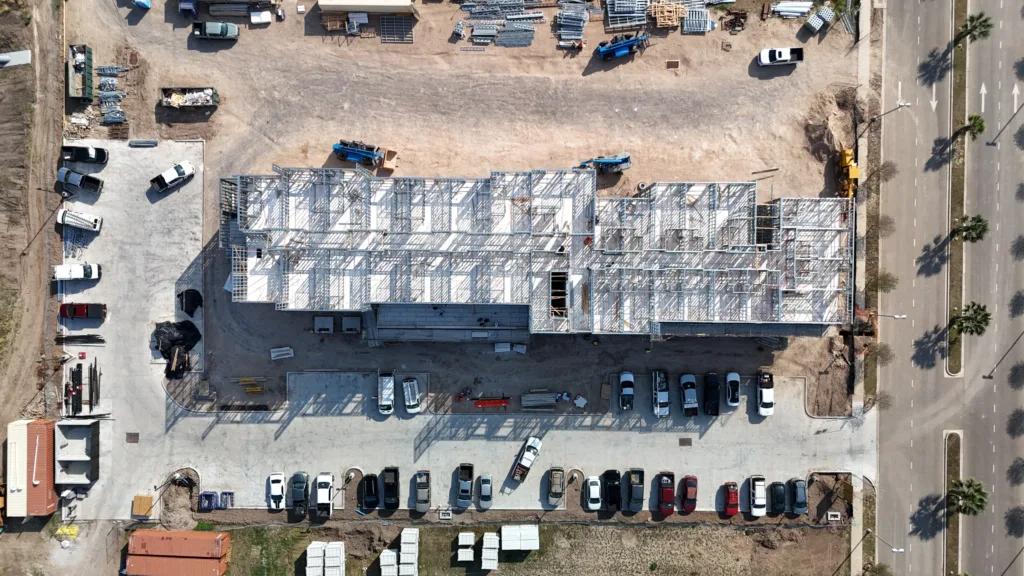
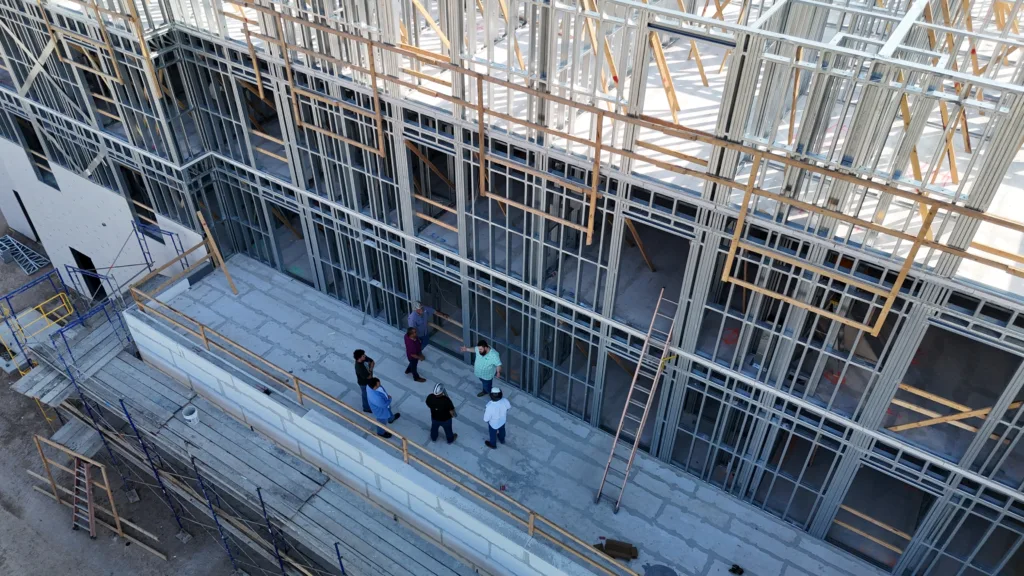
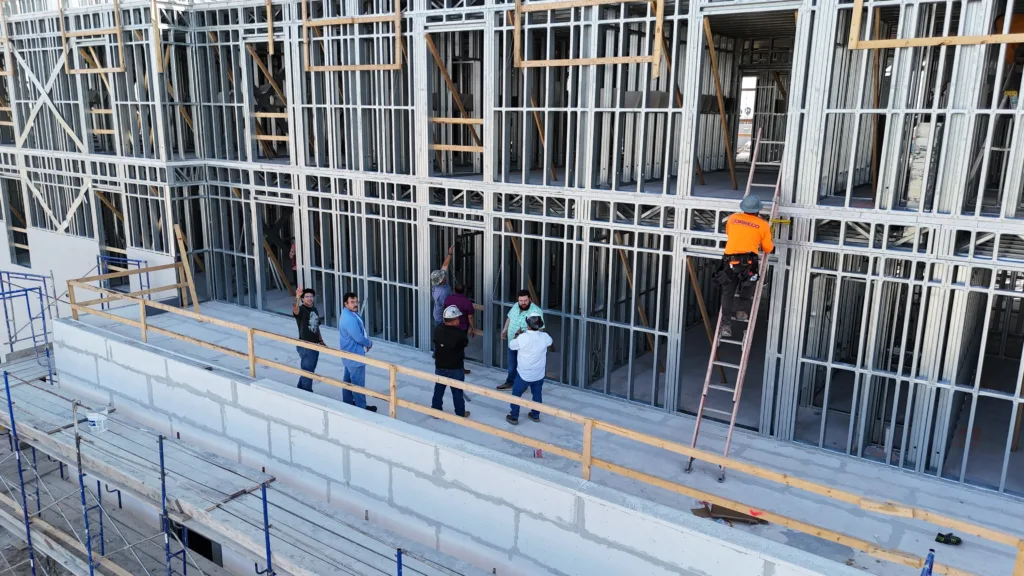
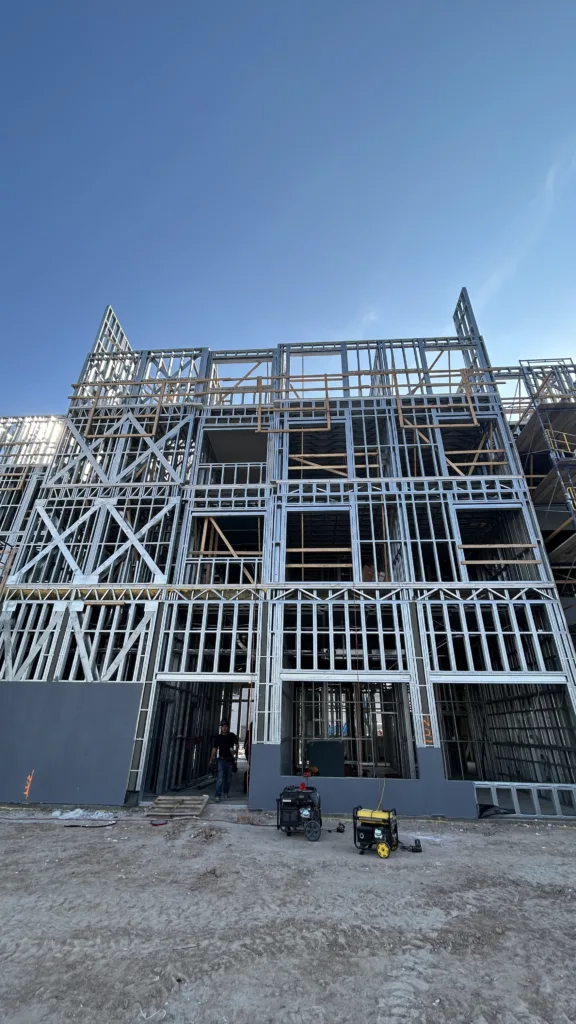
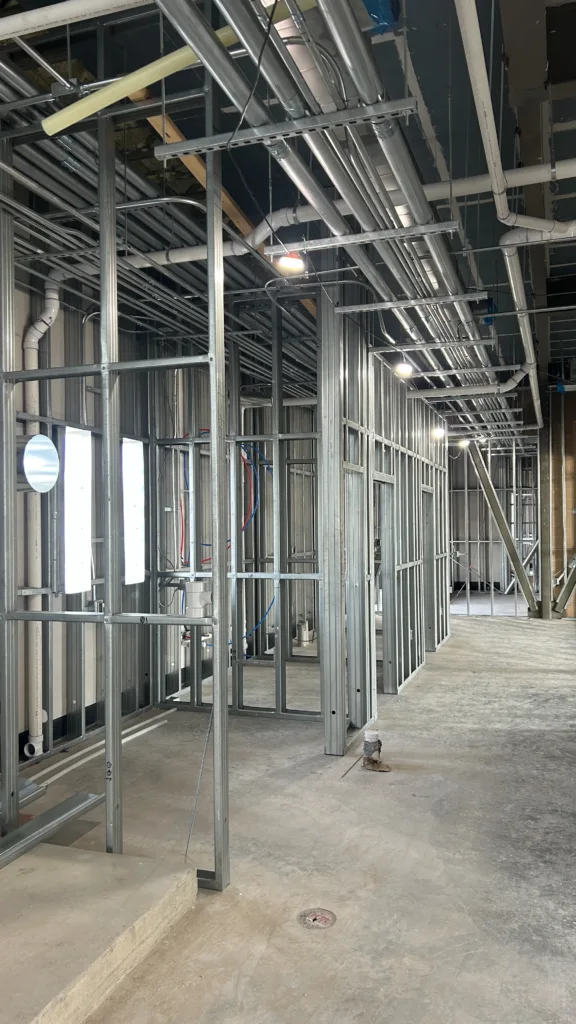
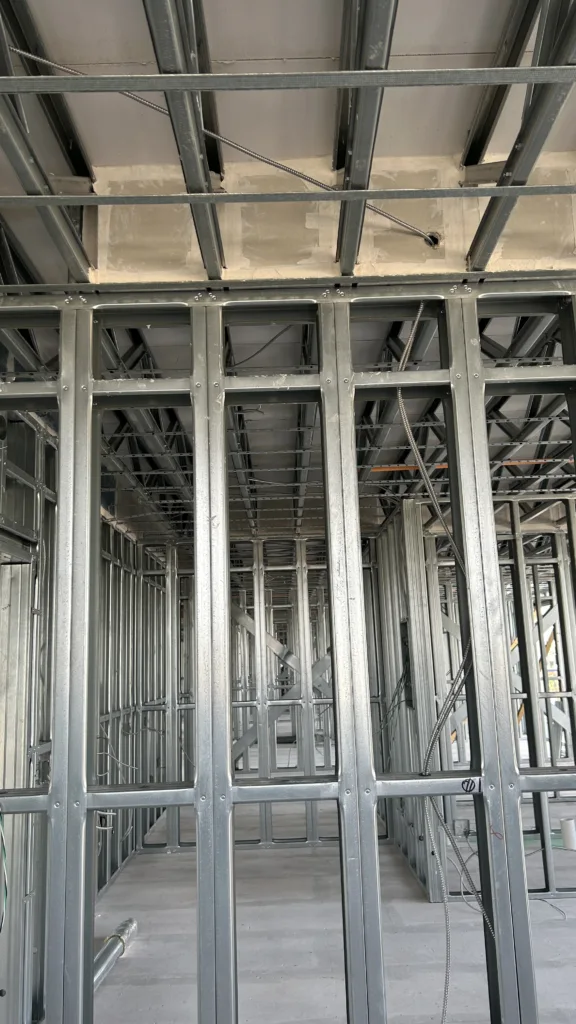
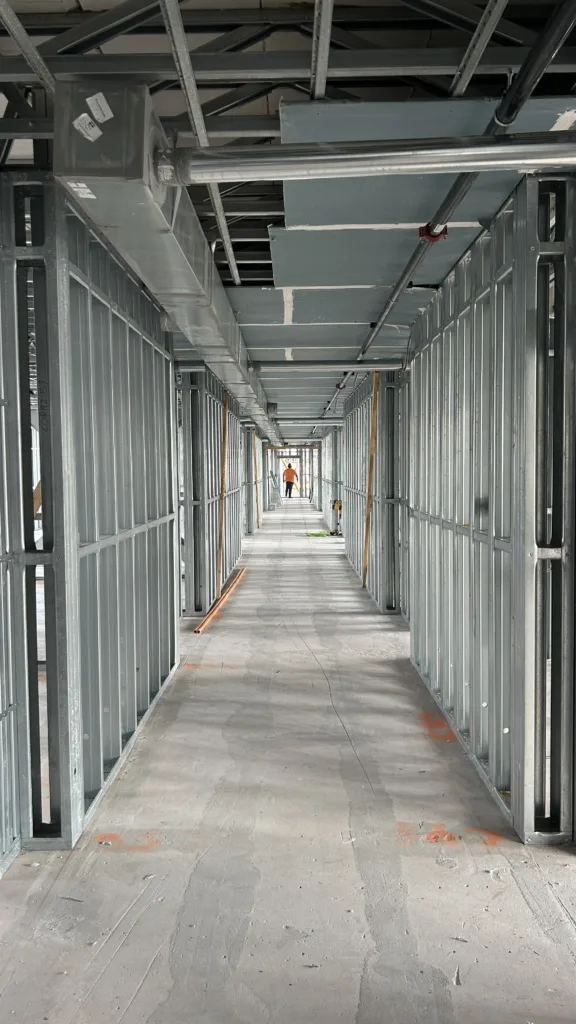
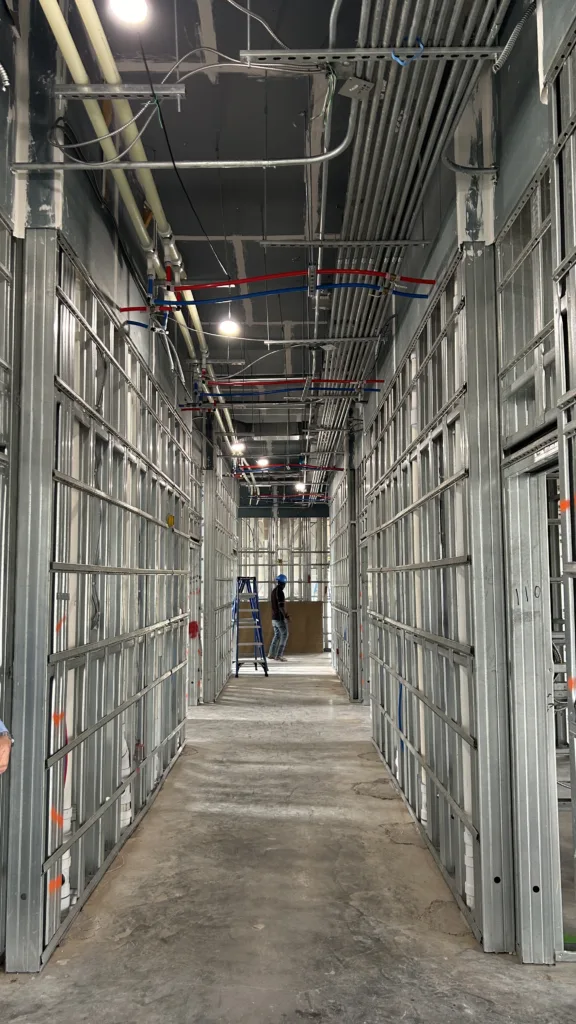
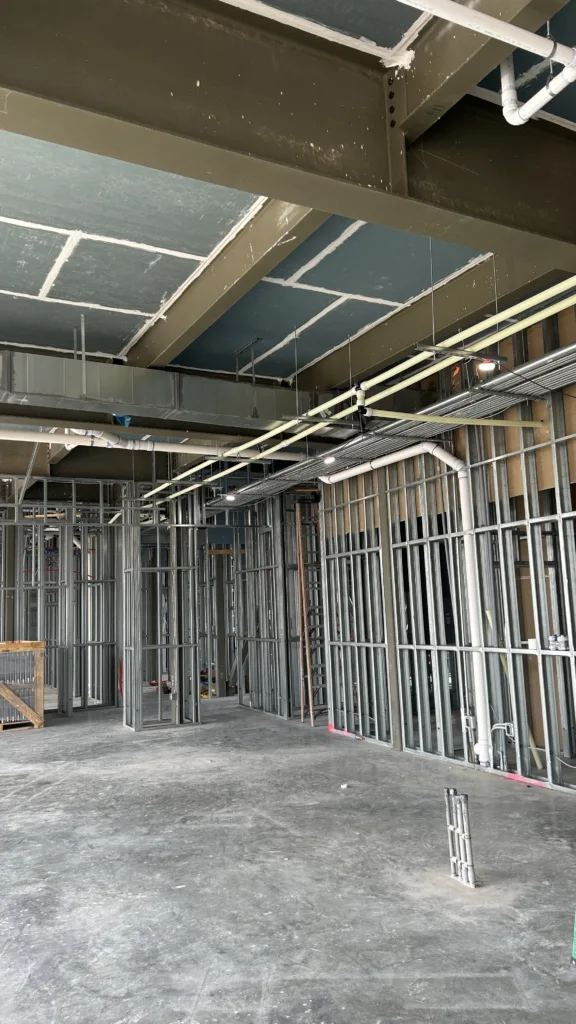
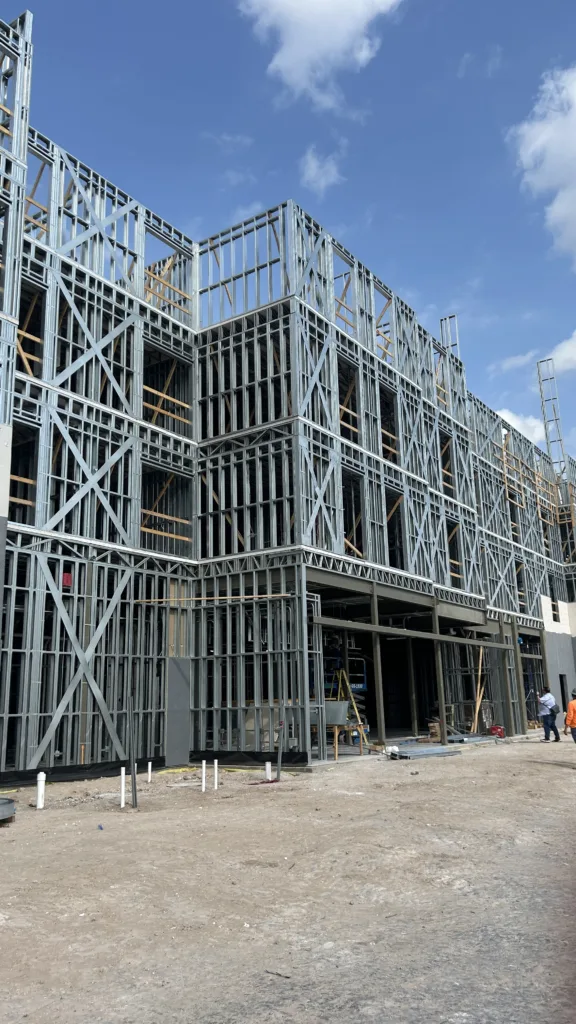
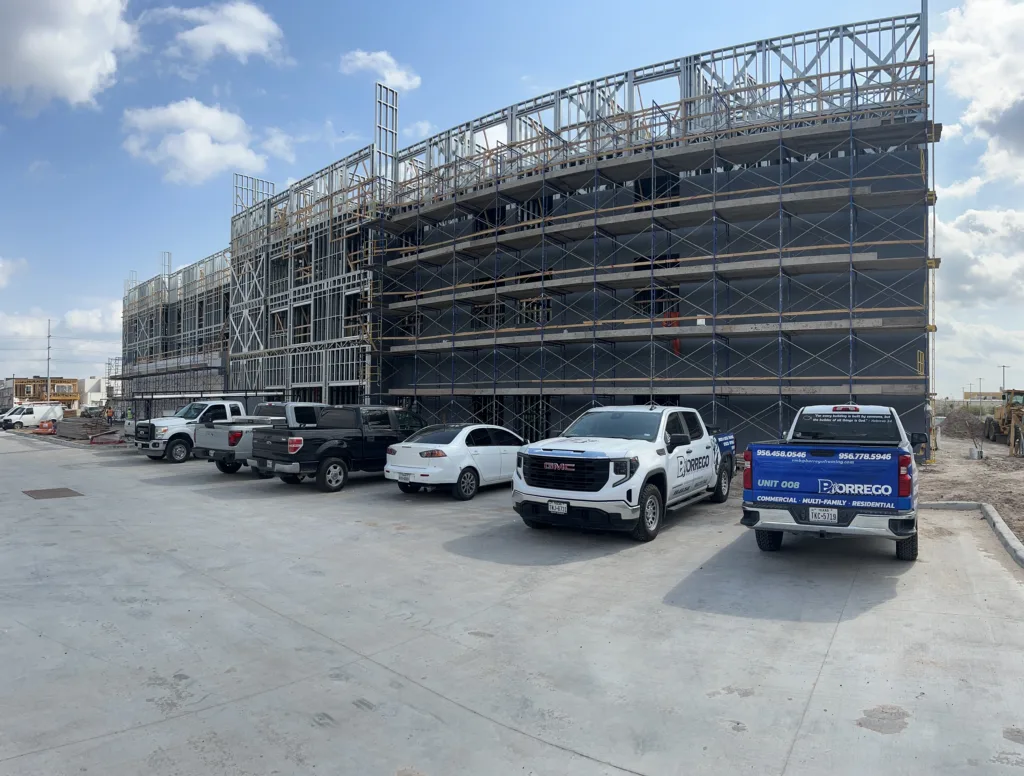
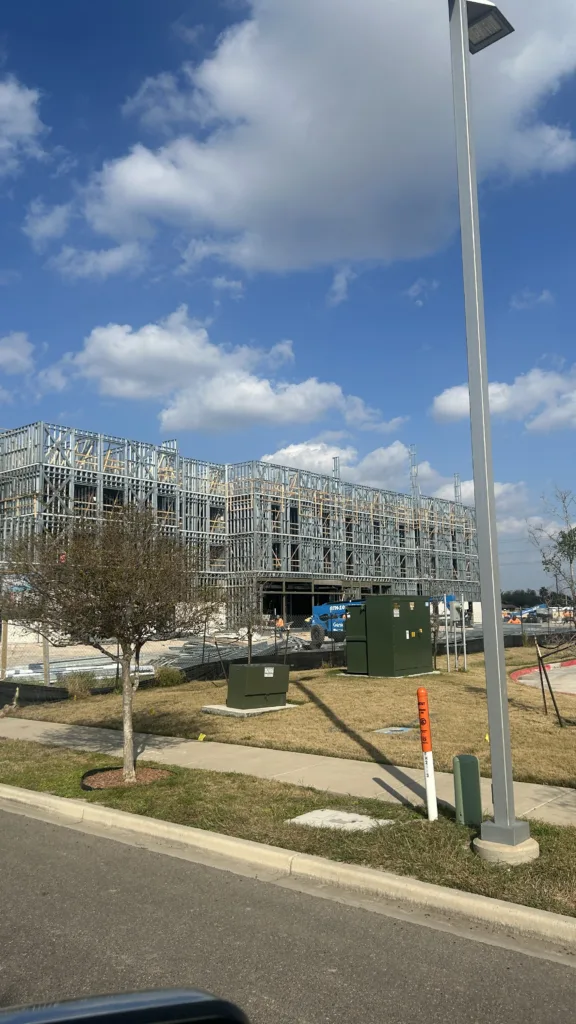
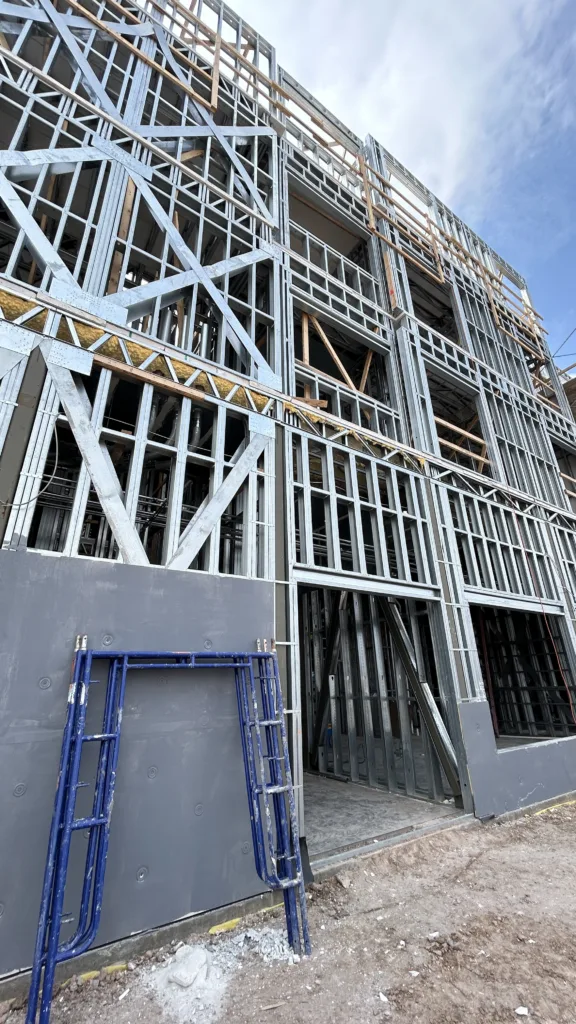
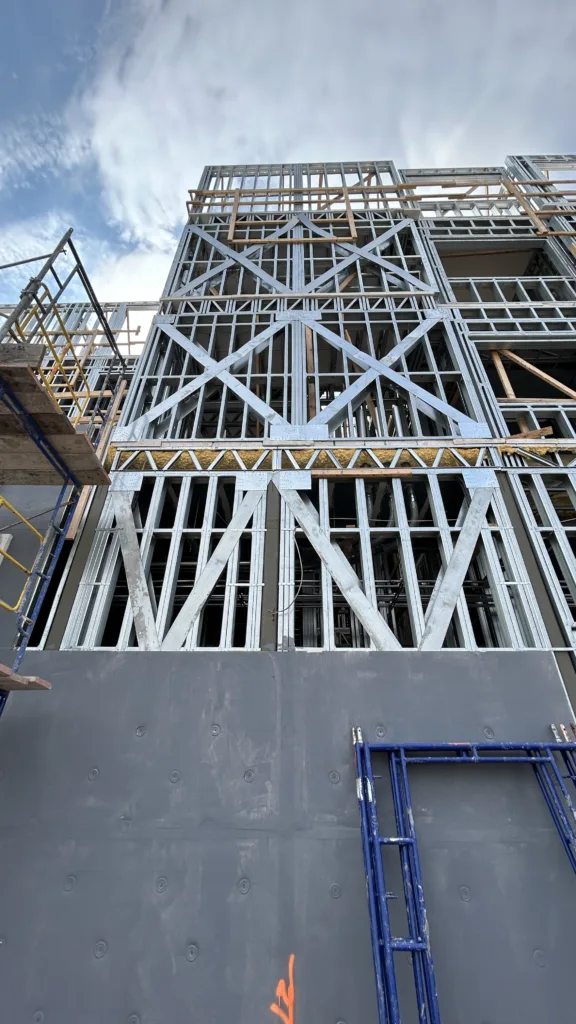
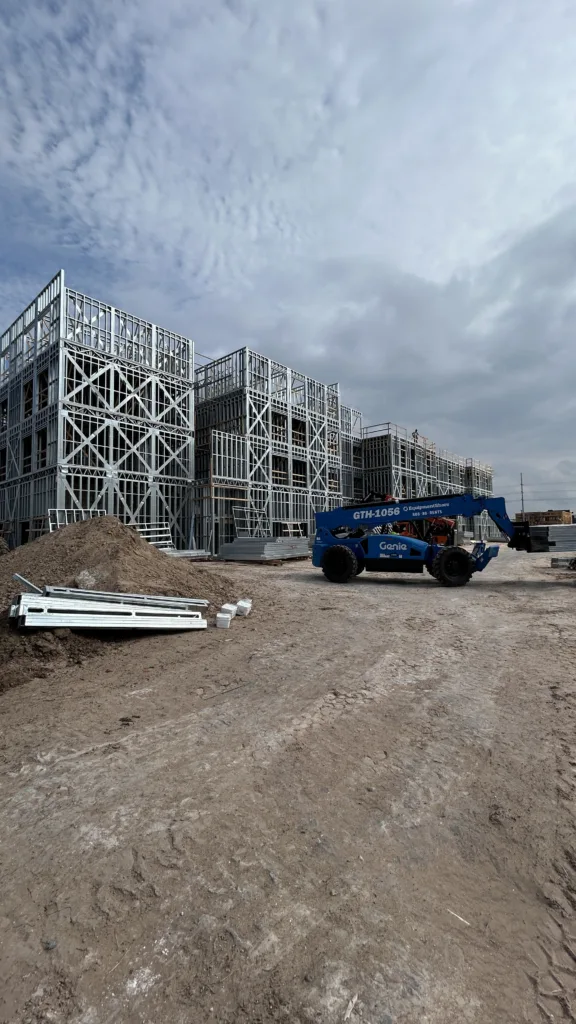
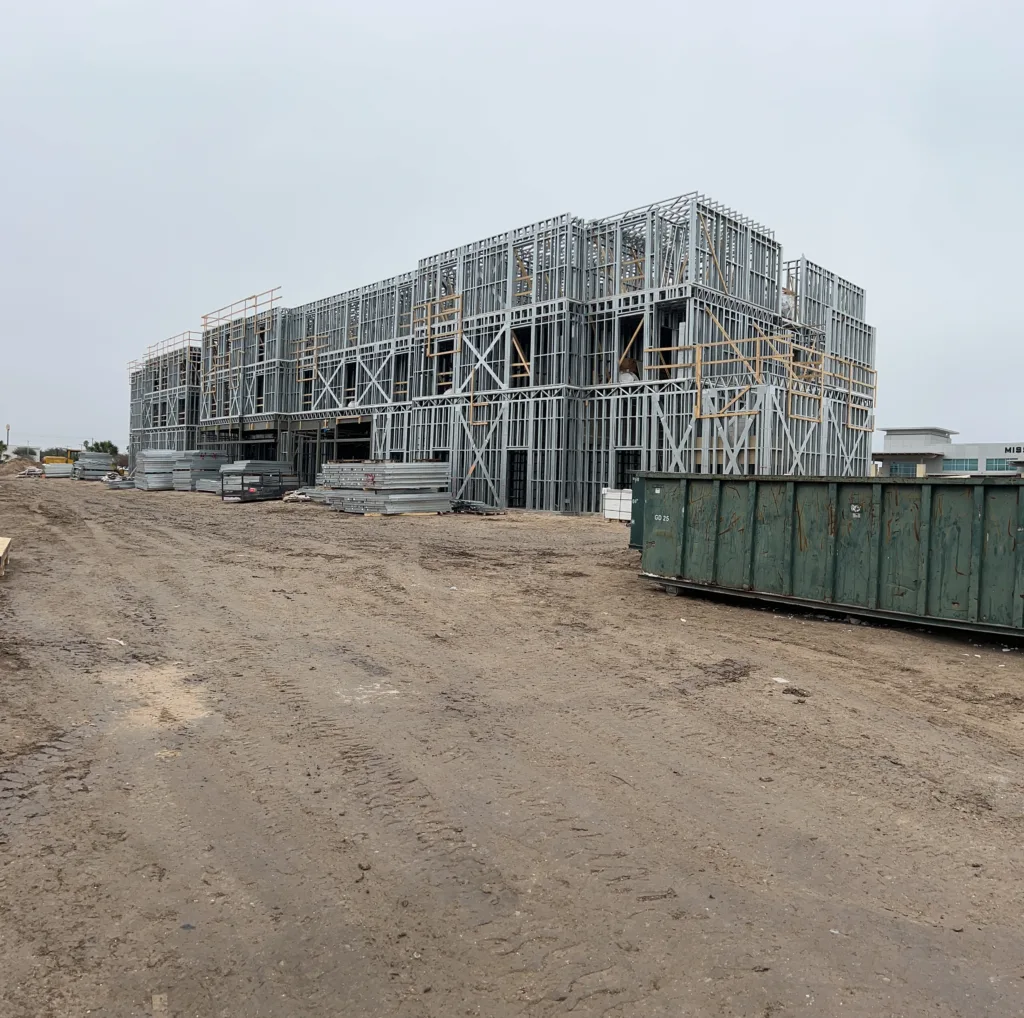
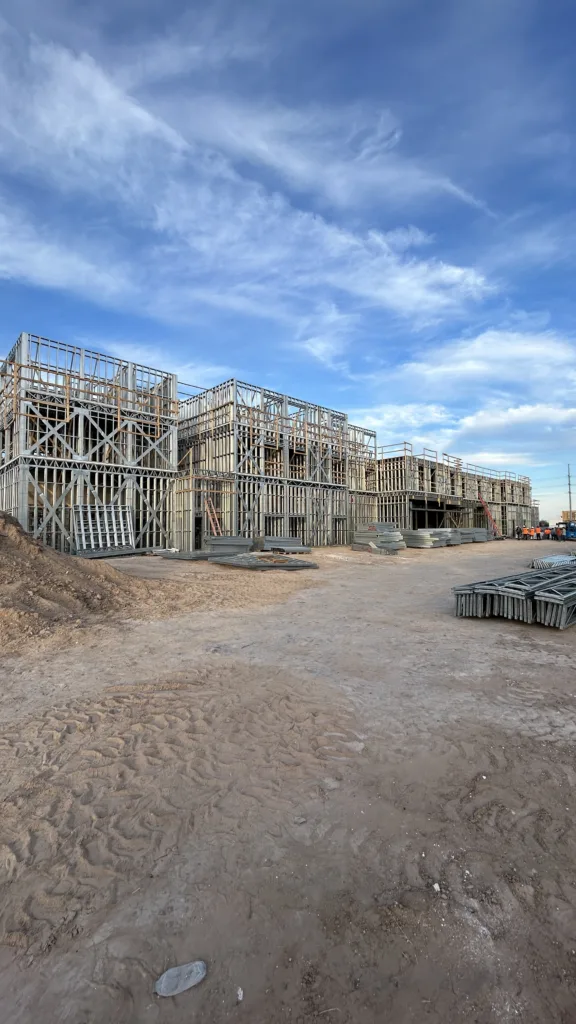
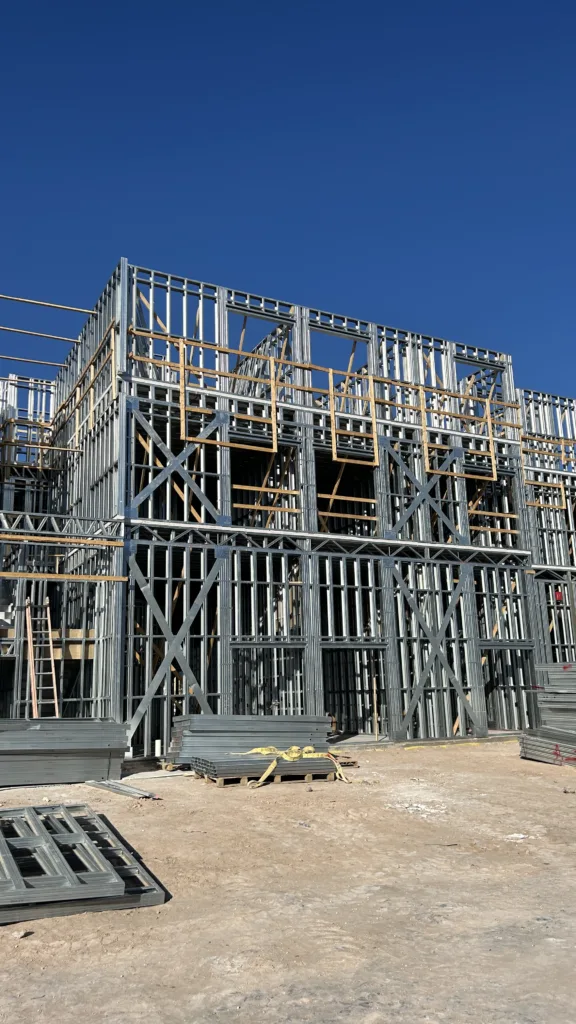
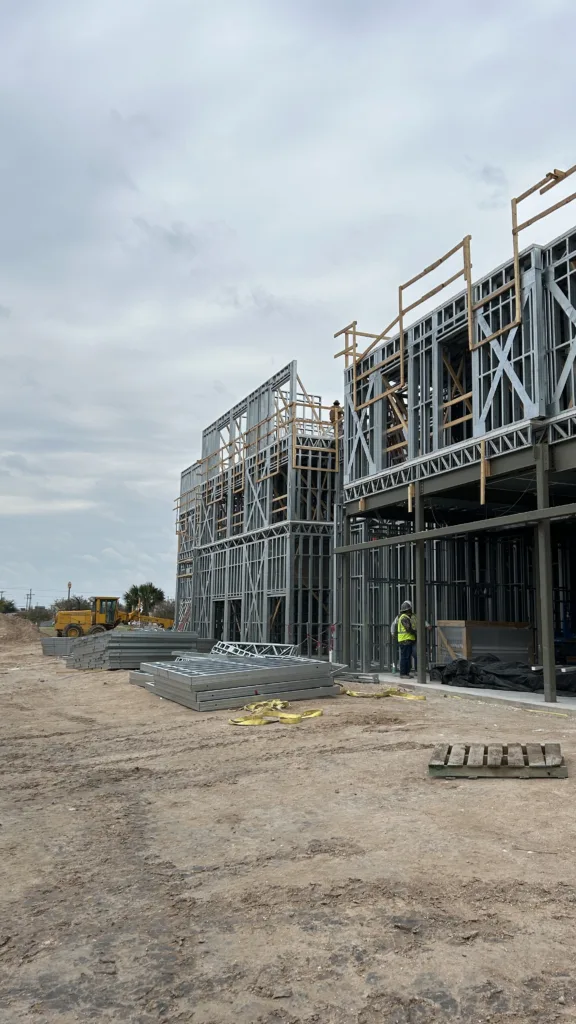
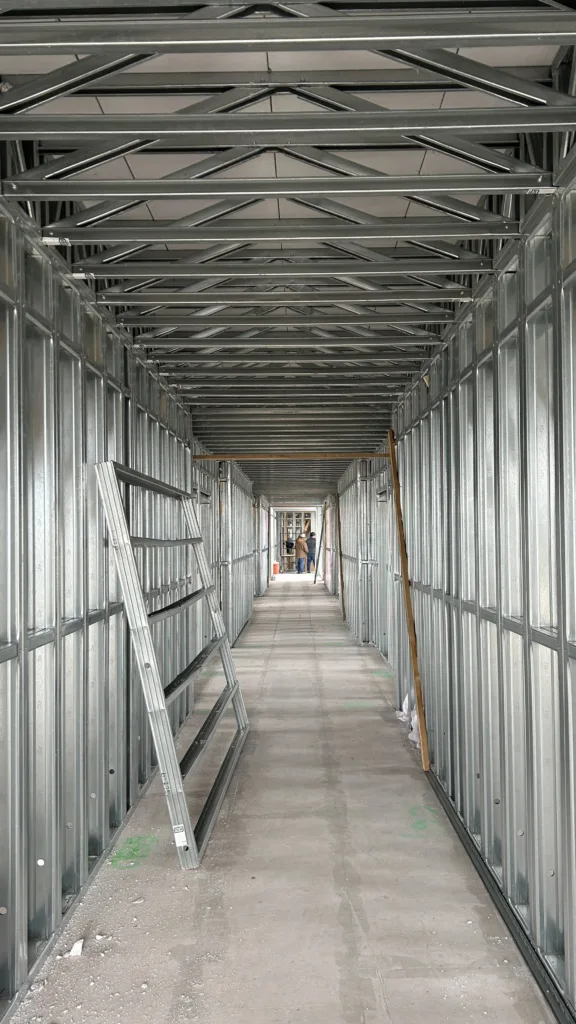
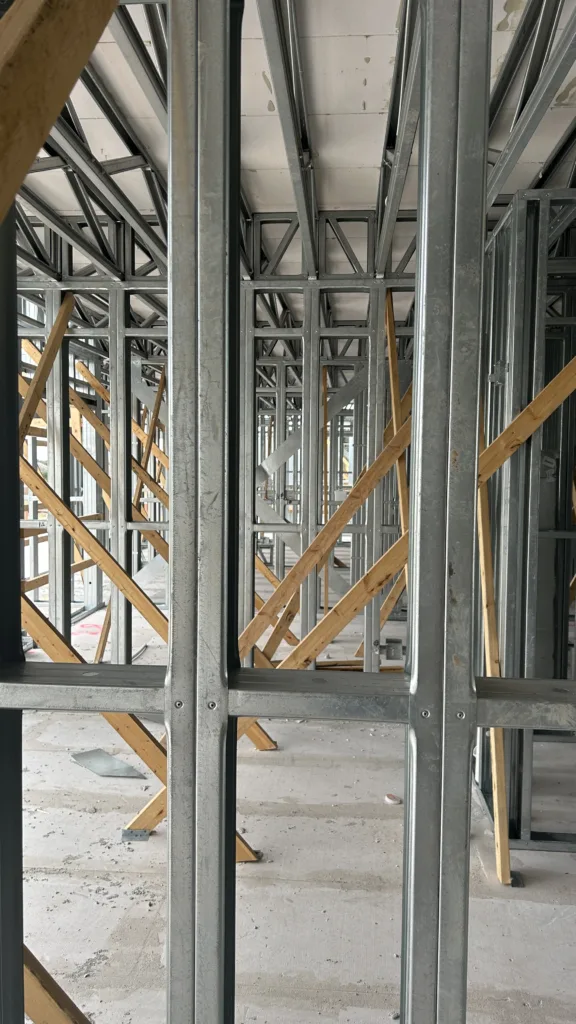
Avid Candlewood Suites: An Example of Framing Conversion from Wood to Steel
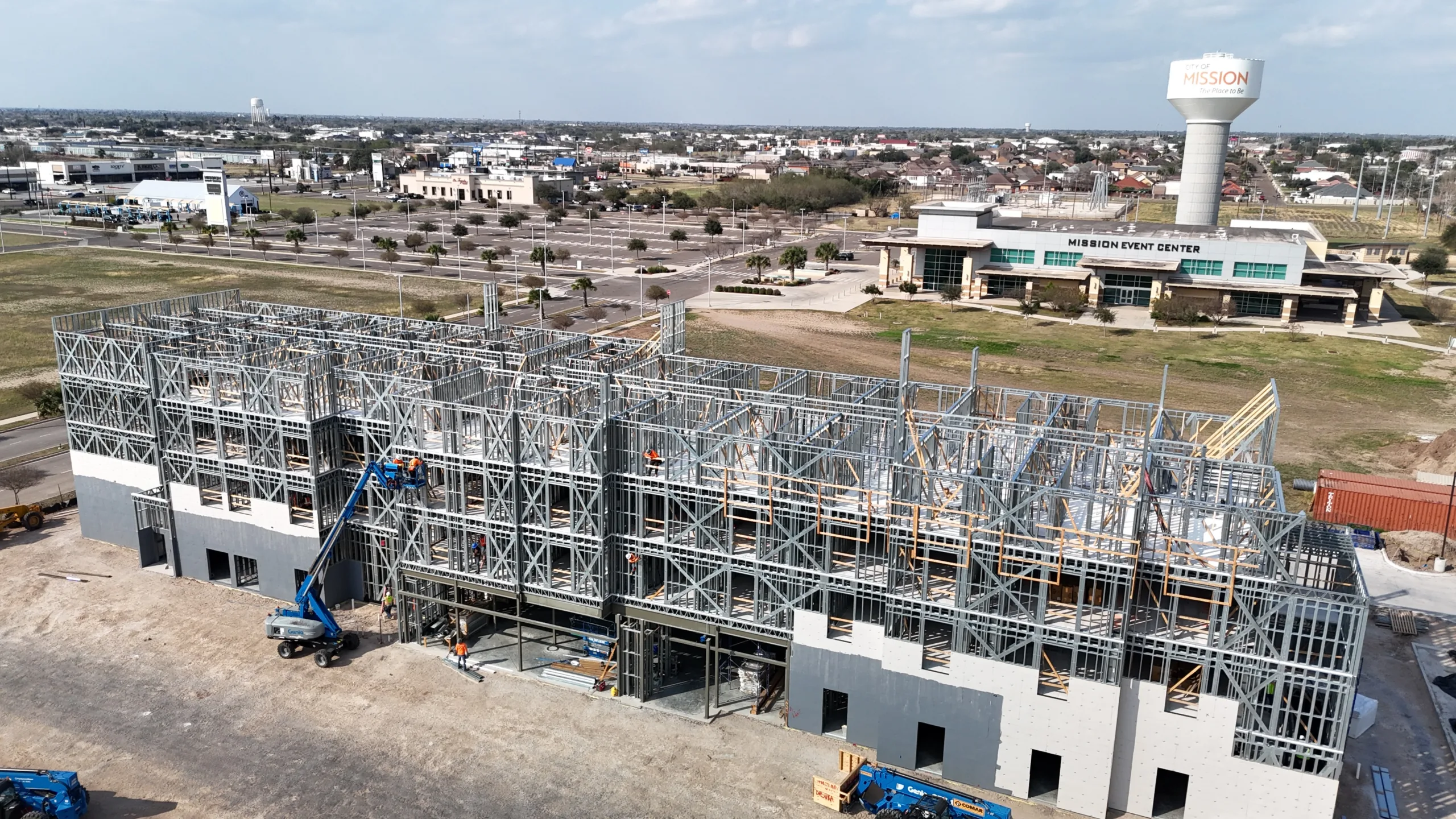
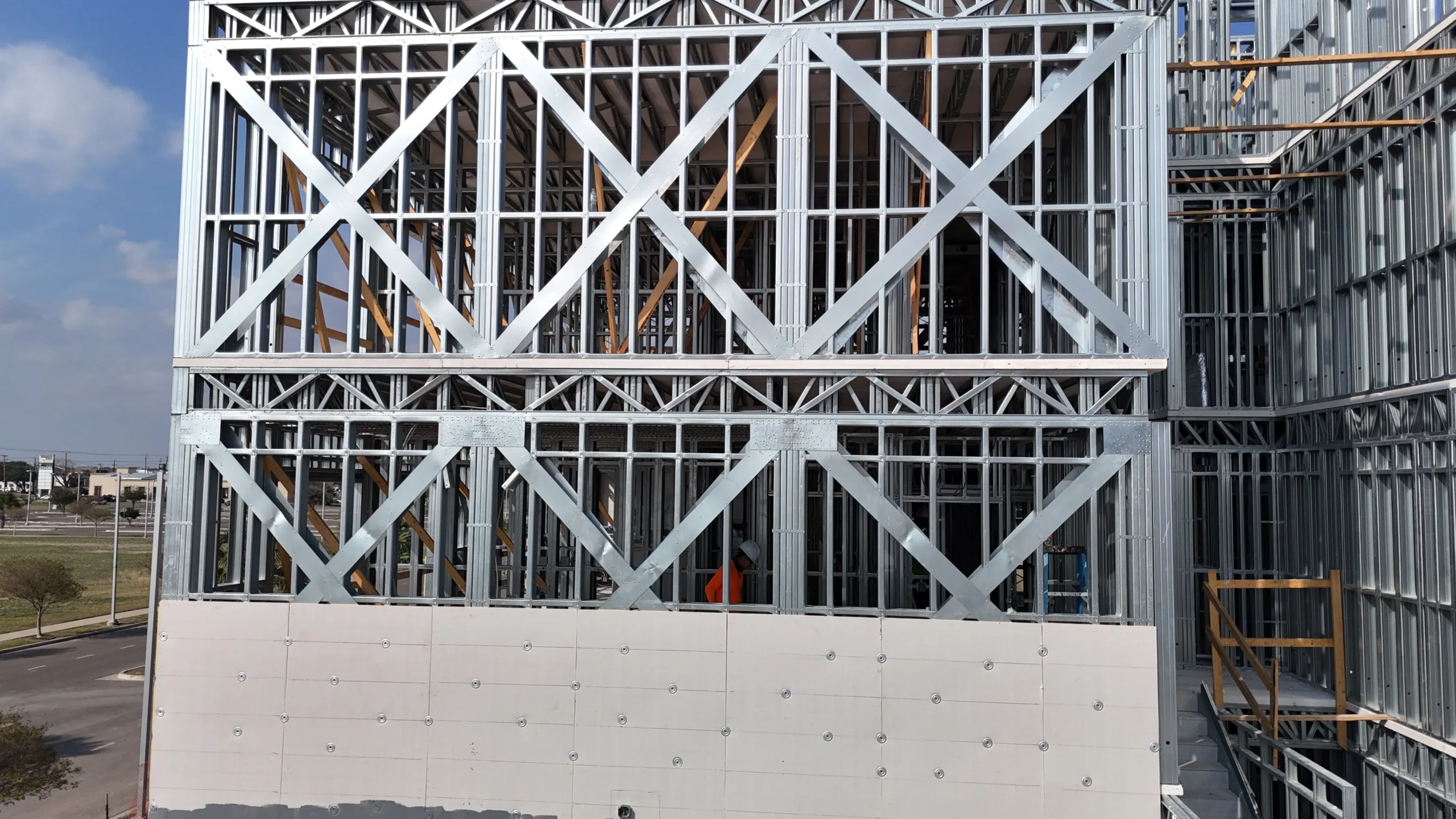
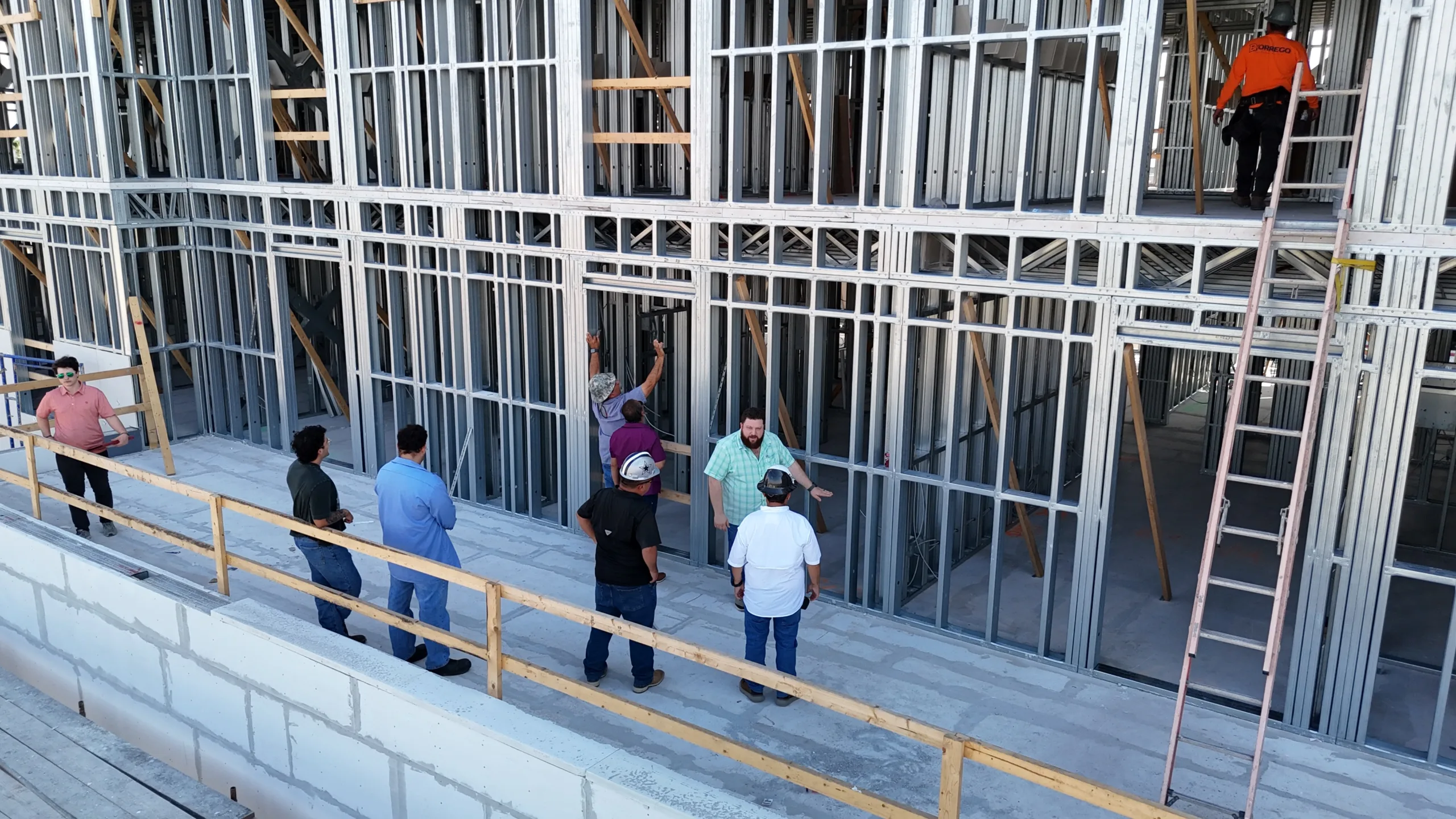
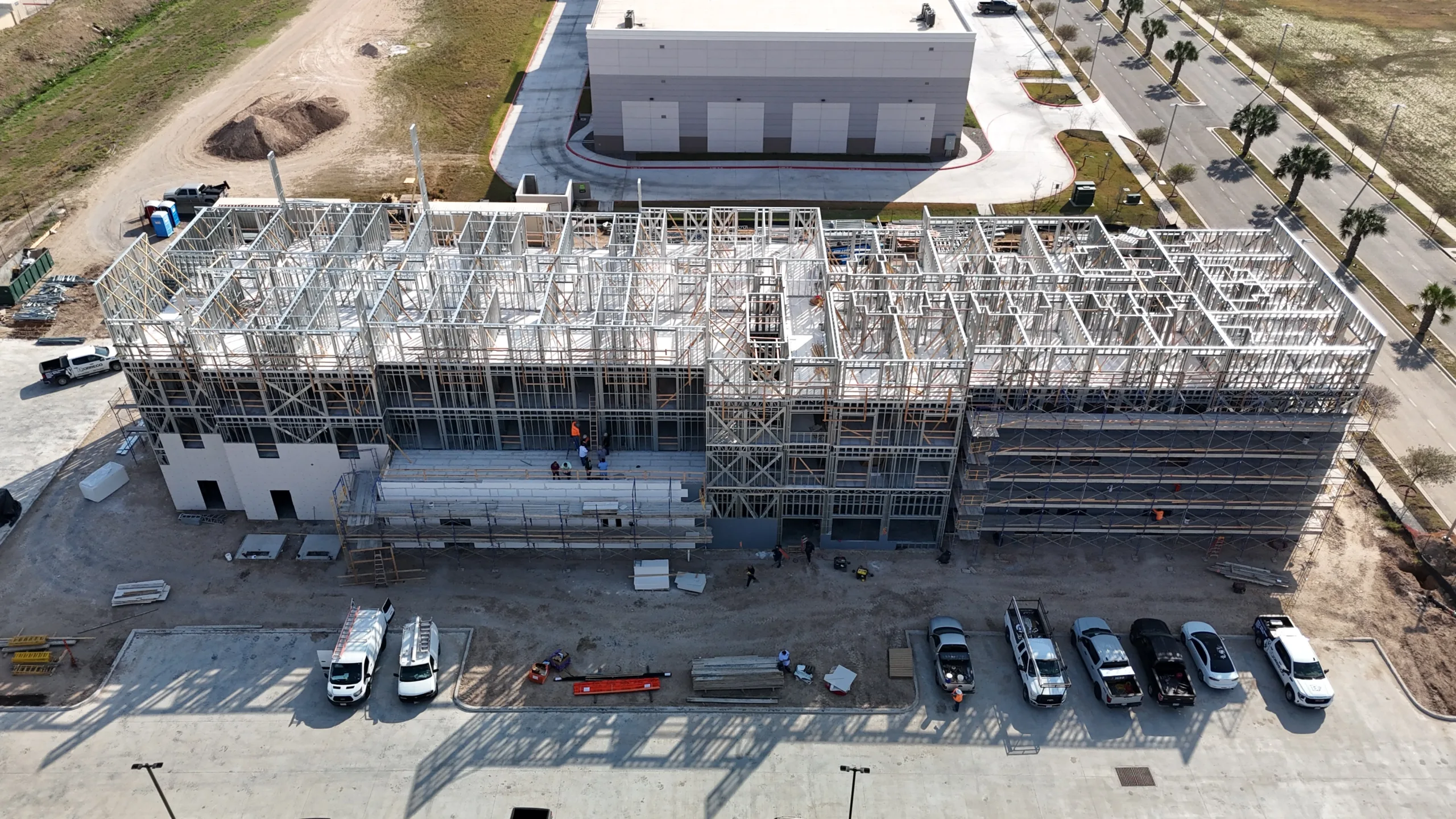
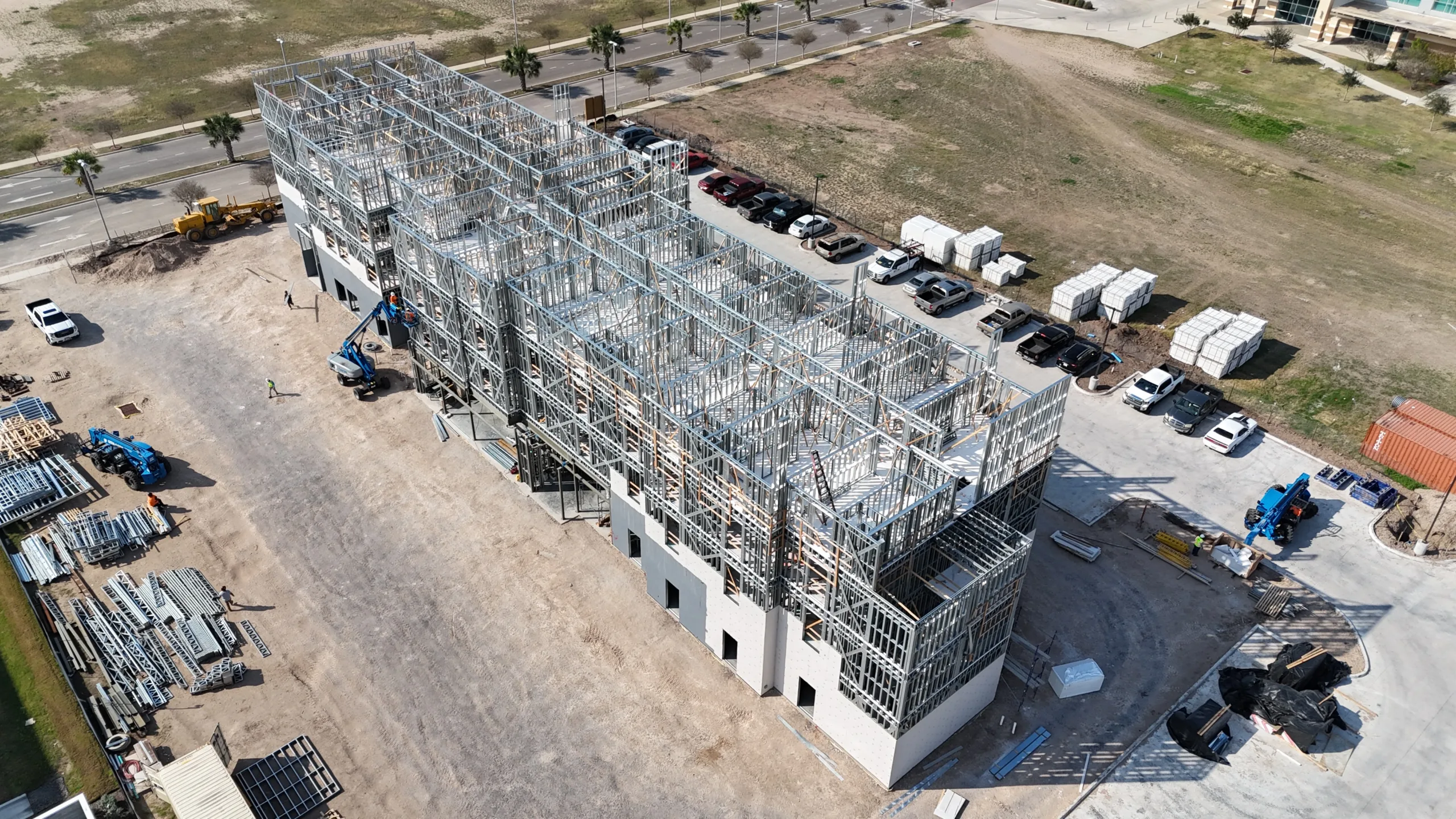
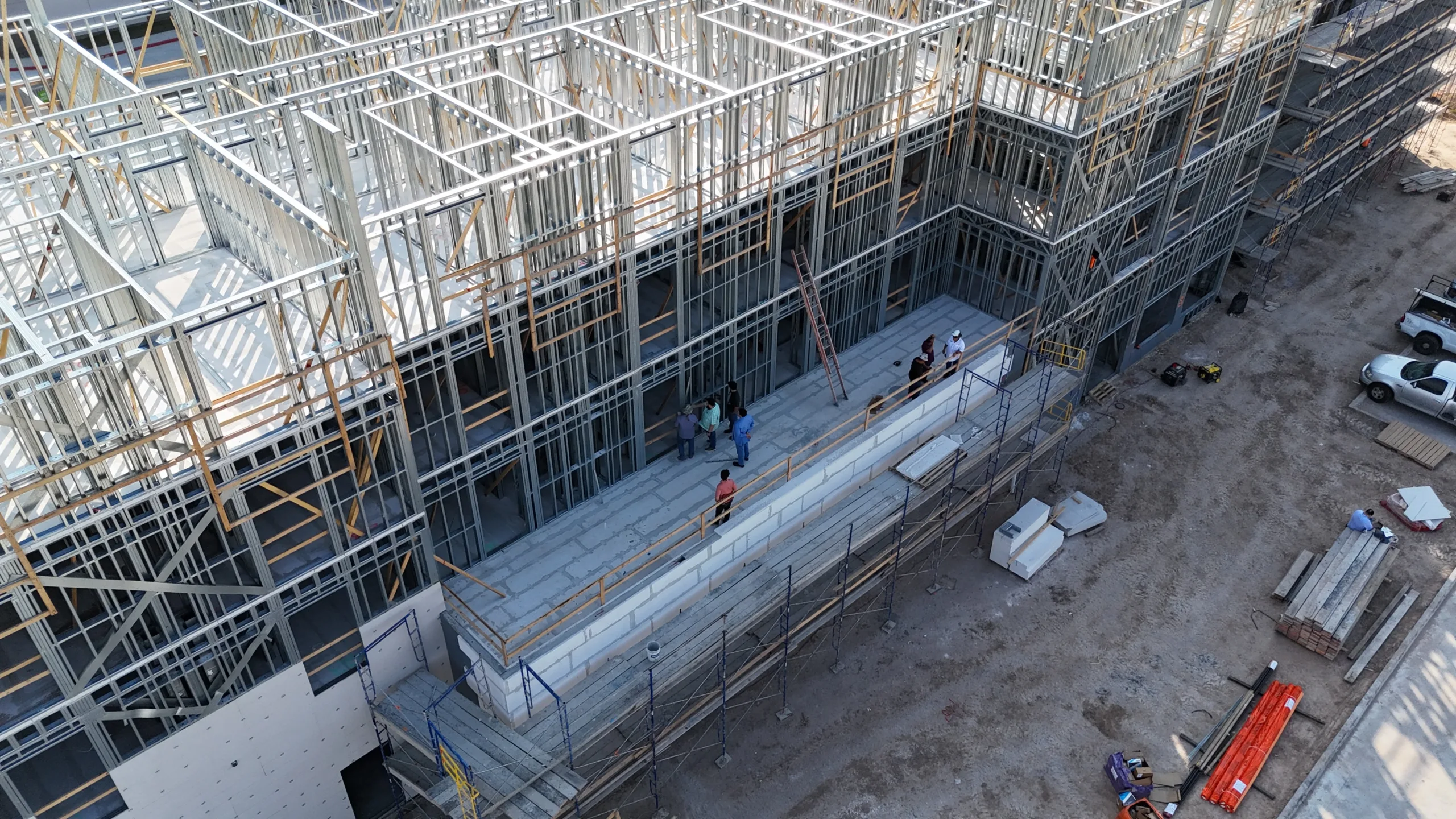
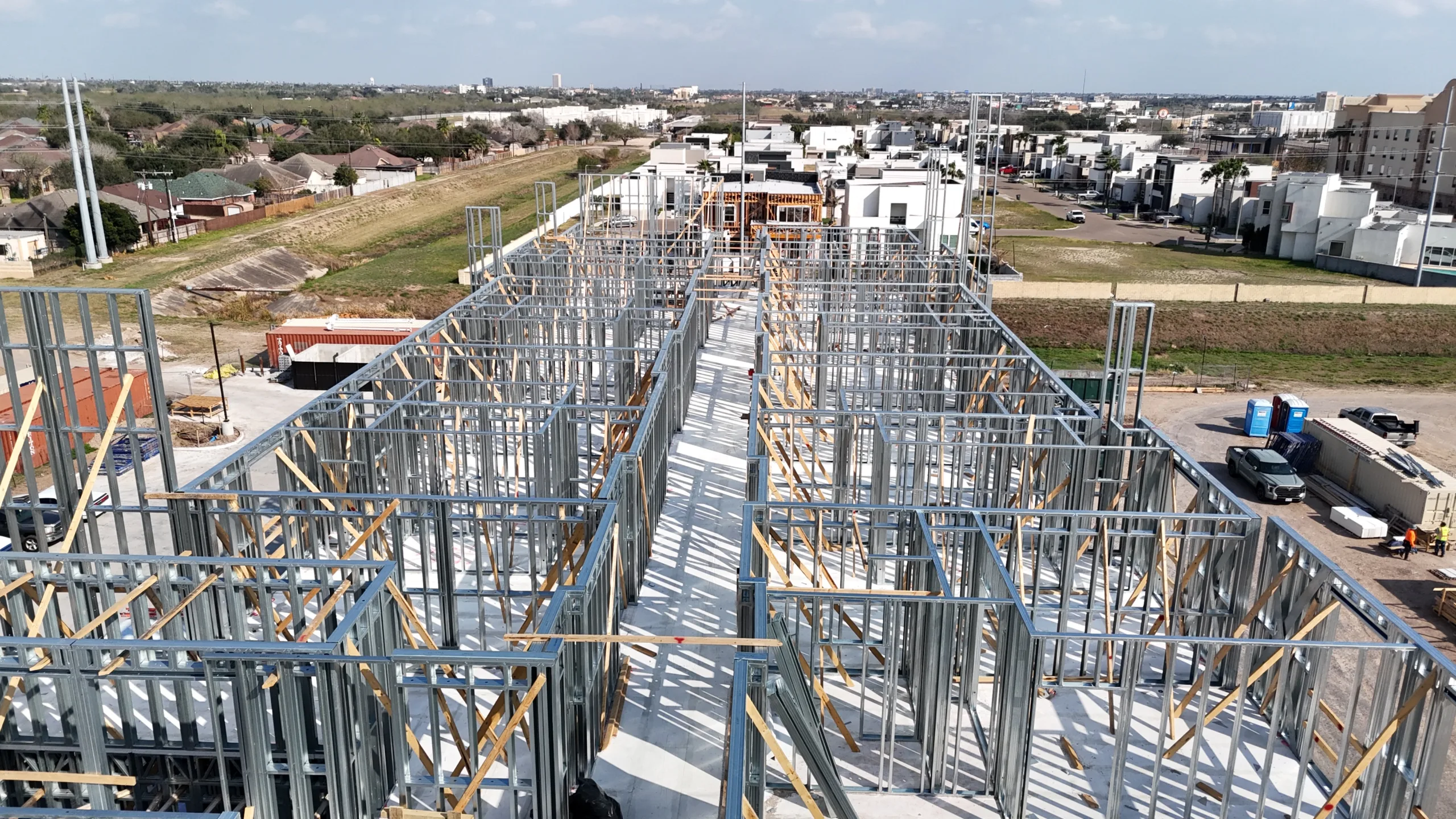
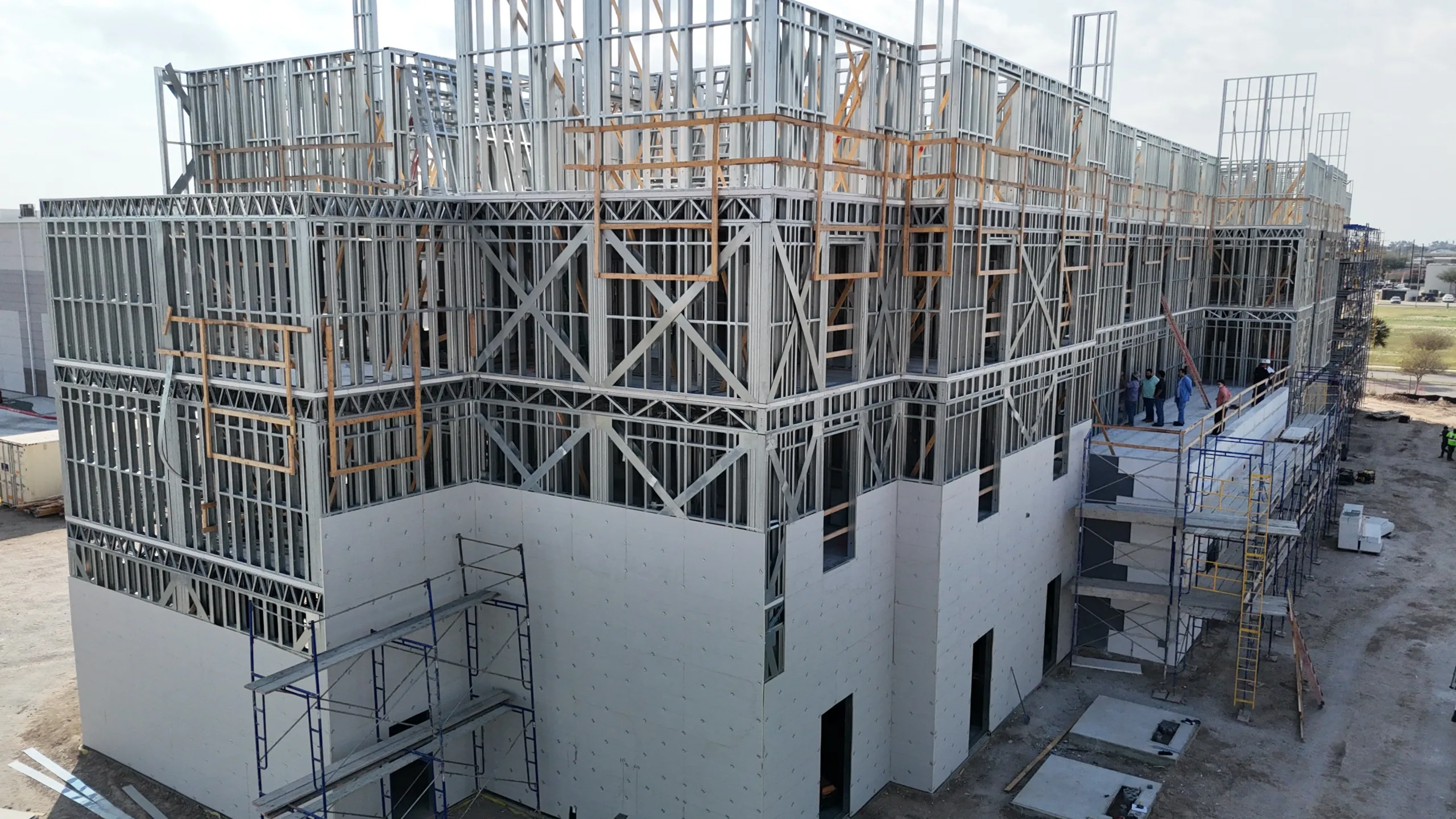
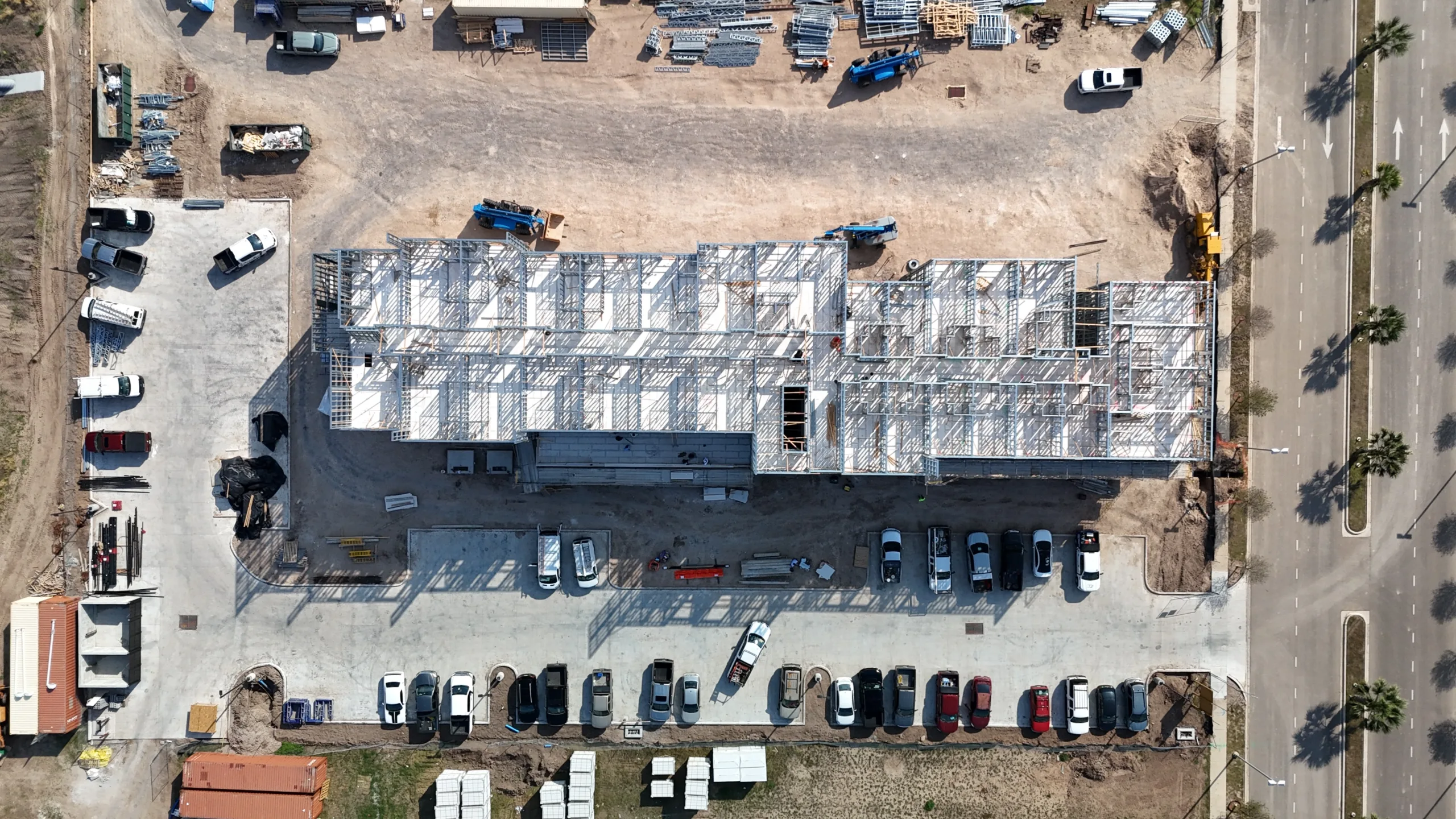
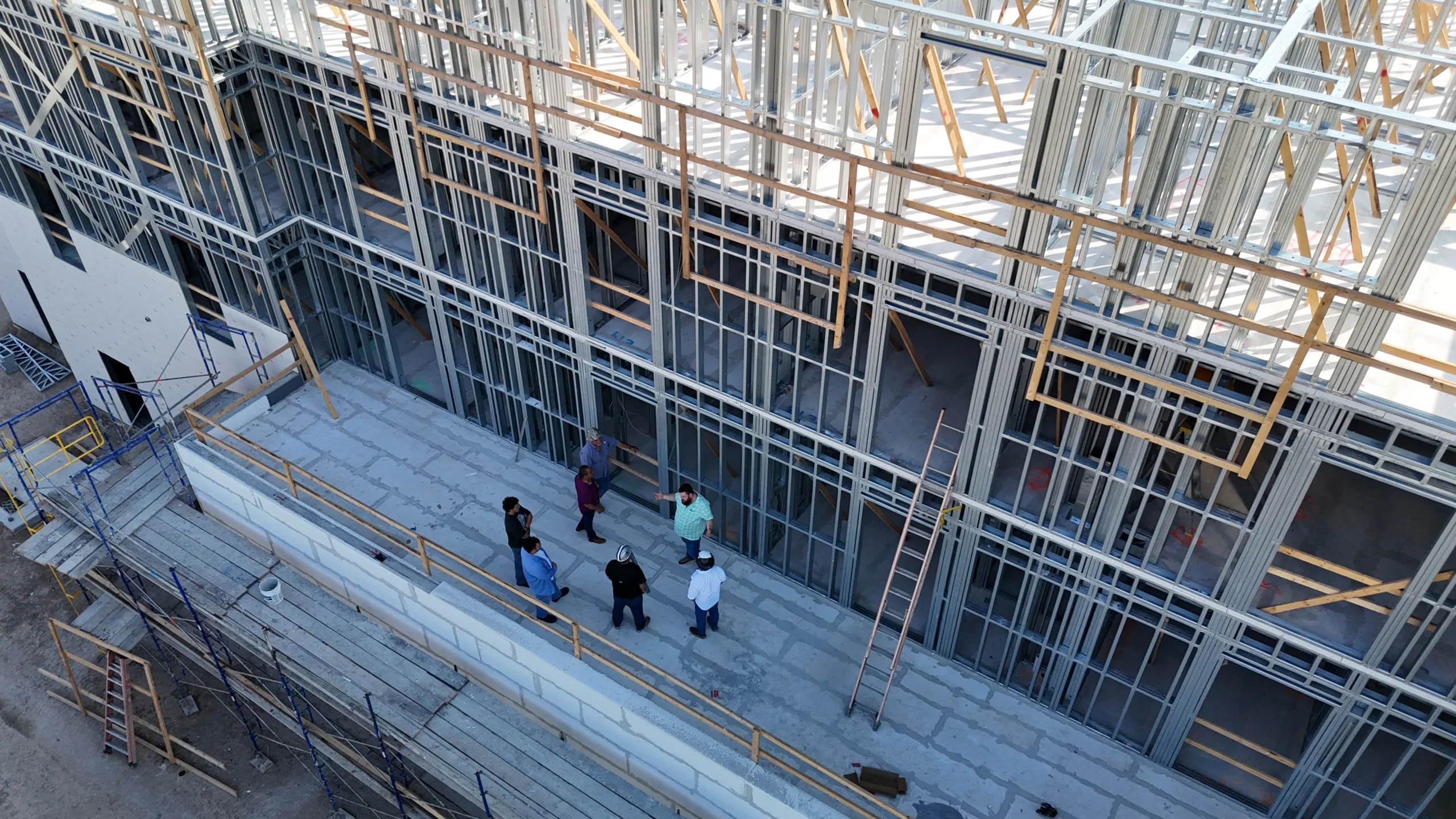
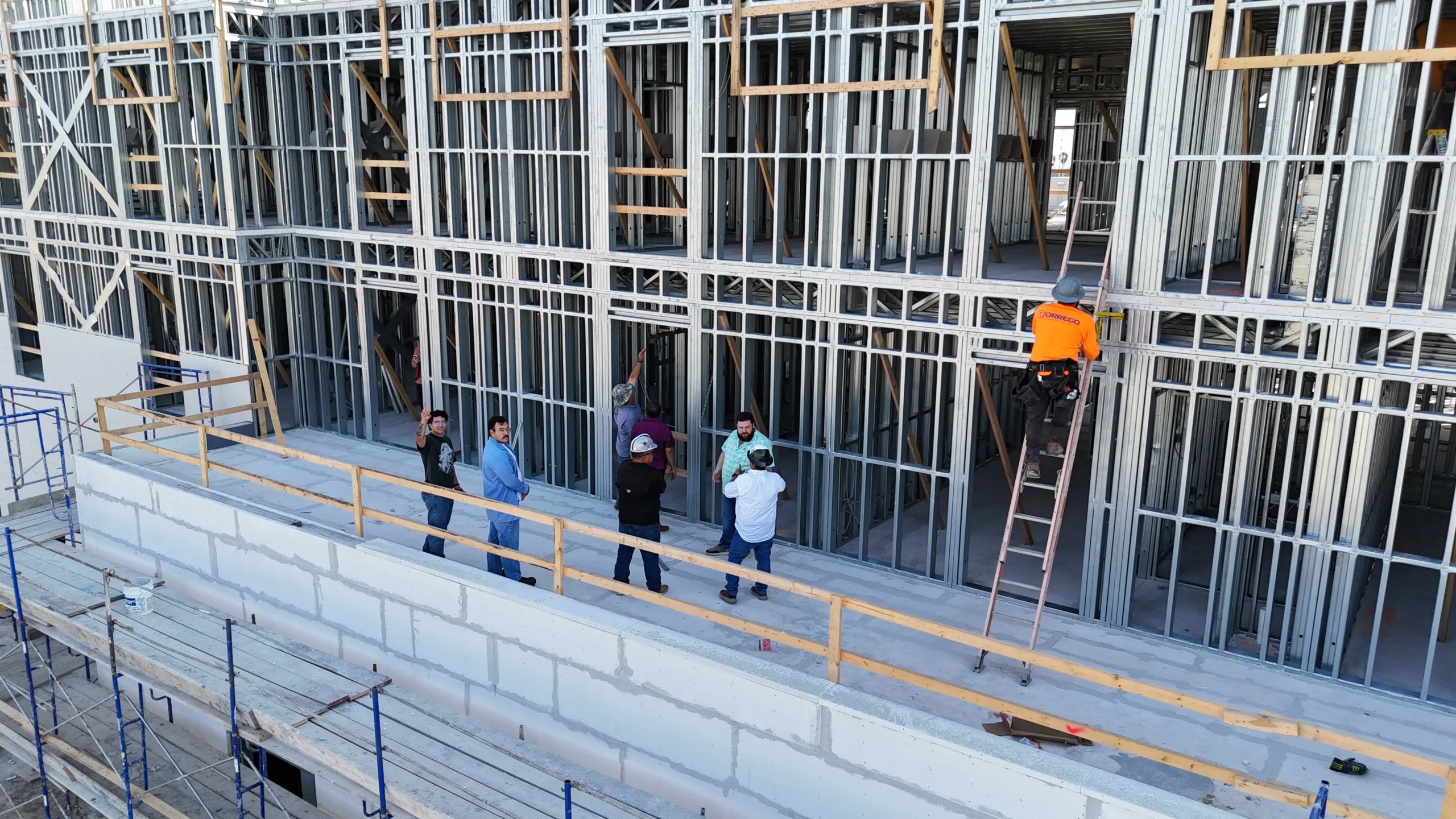
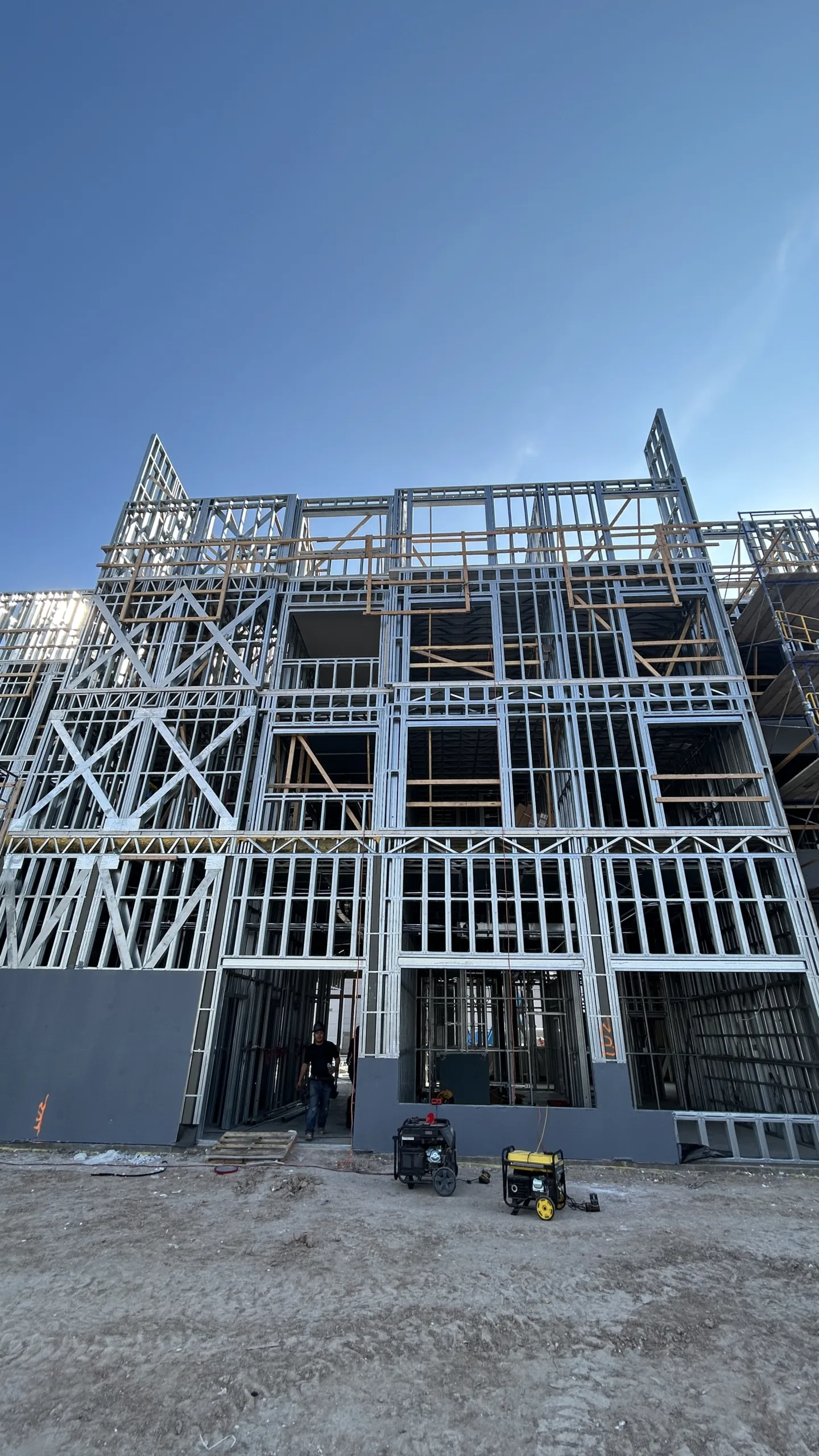
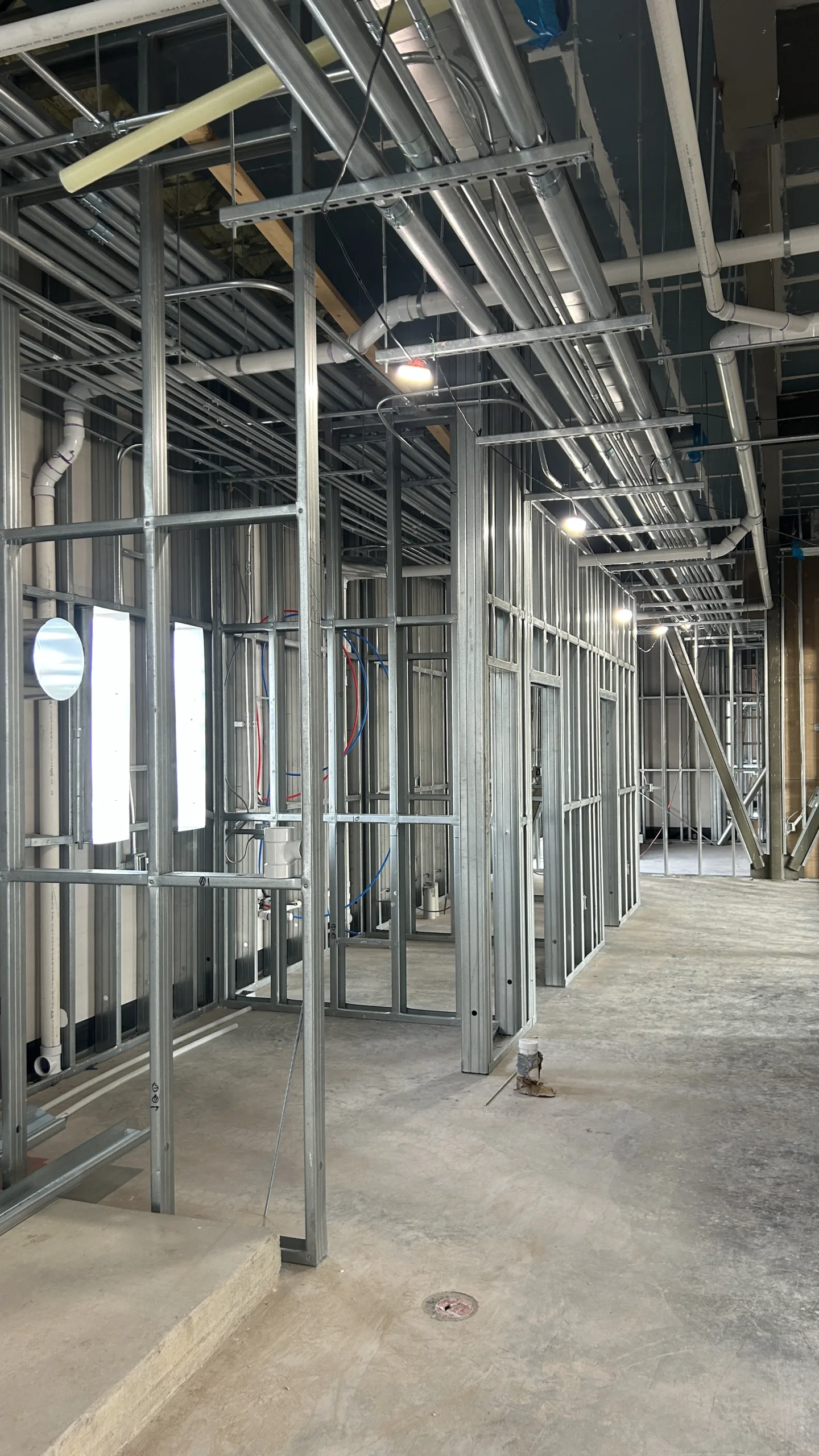
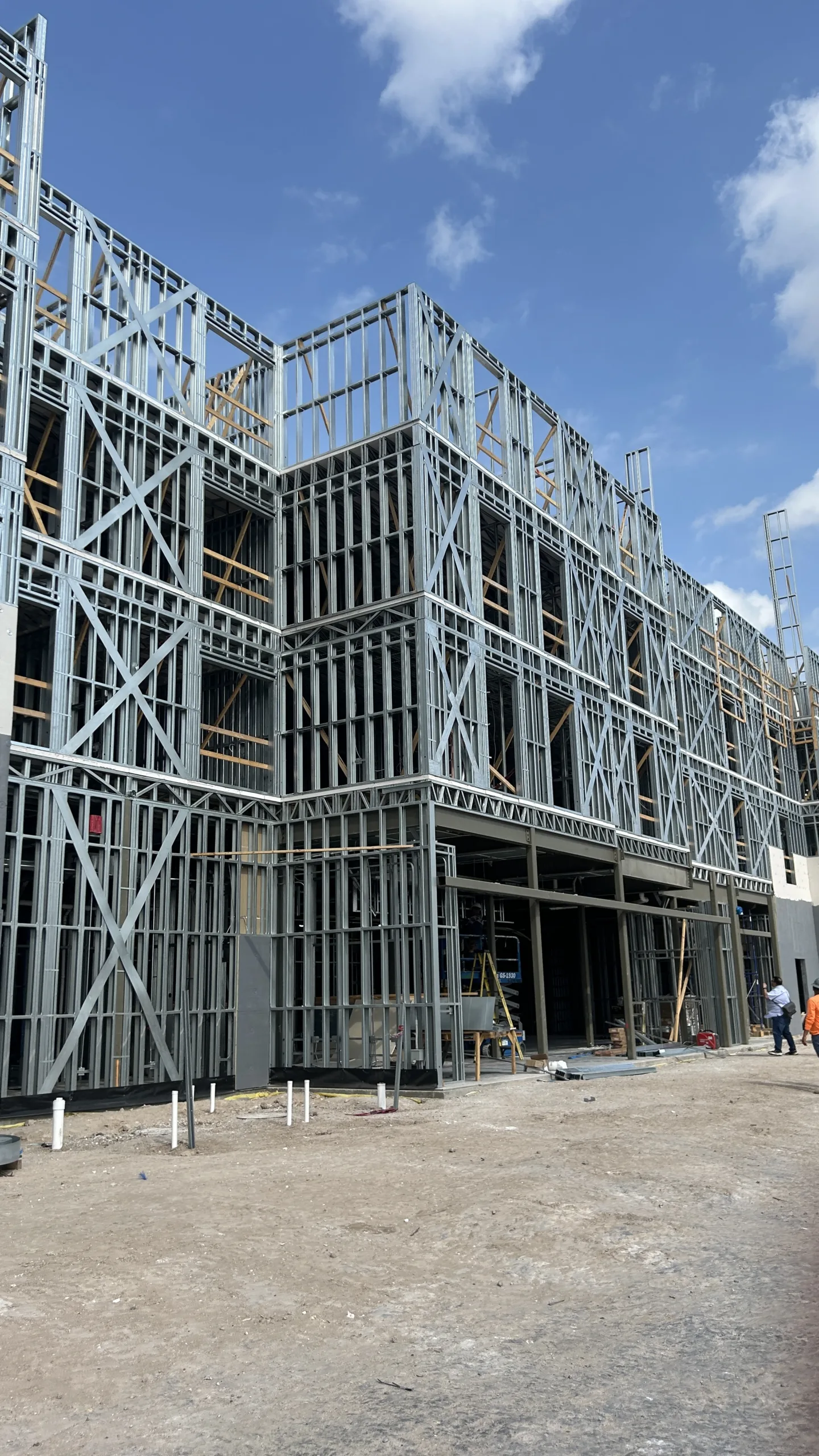
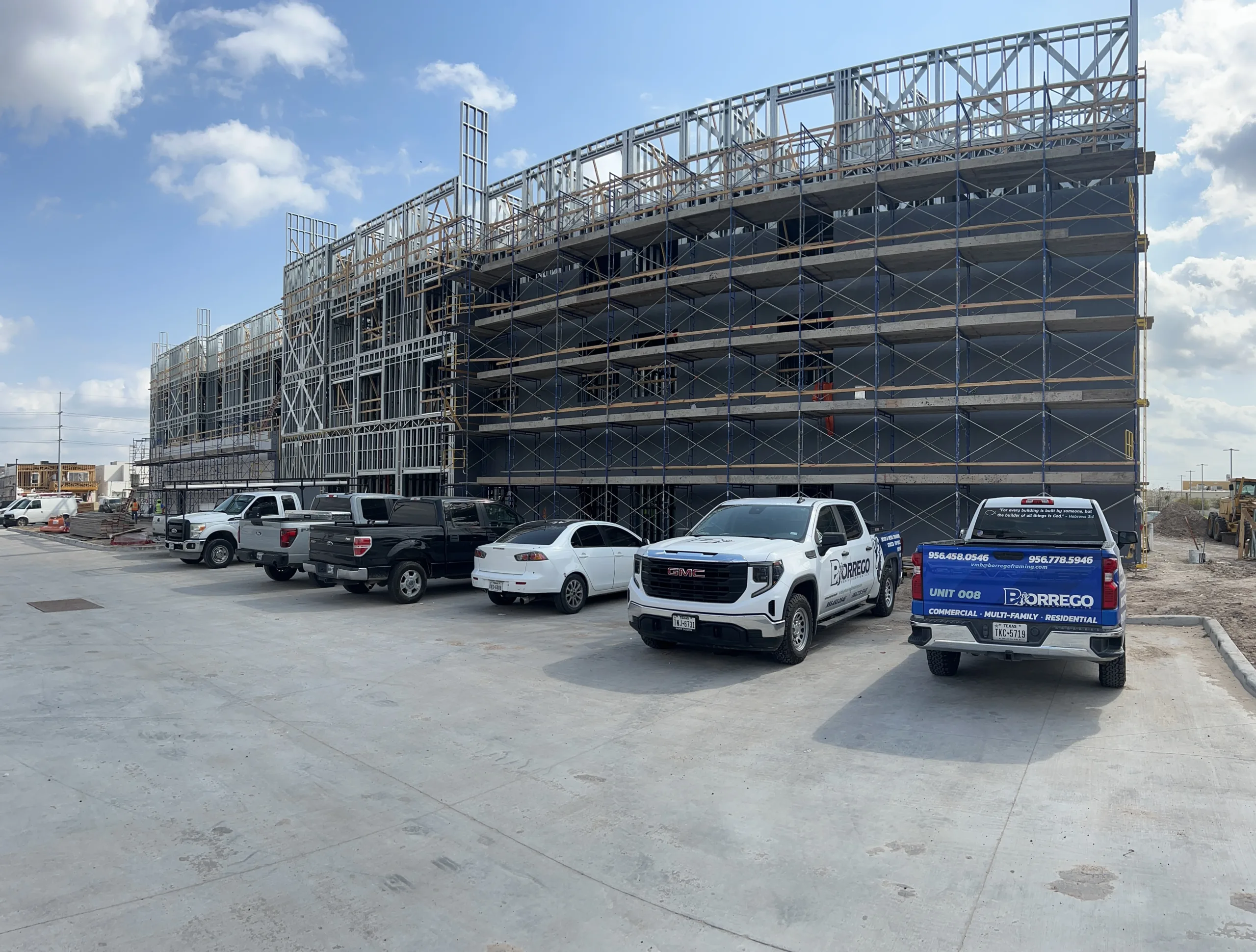
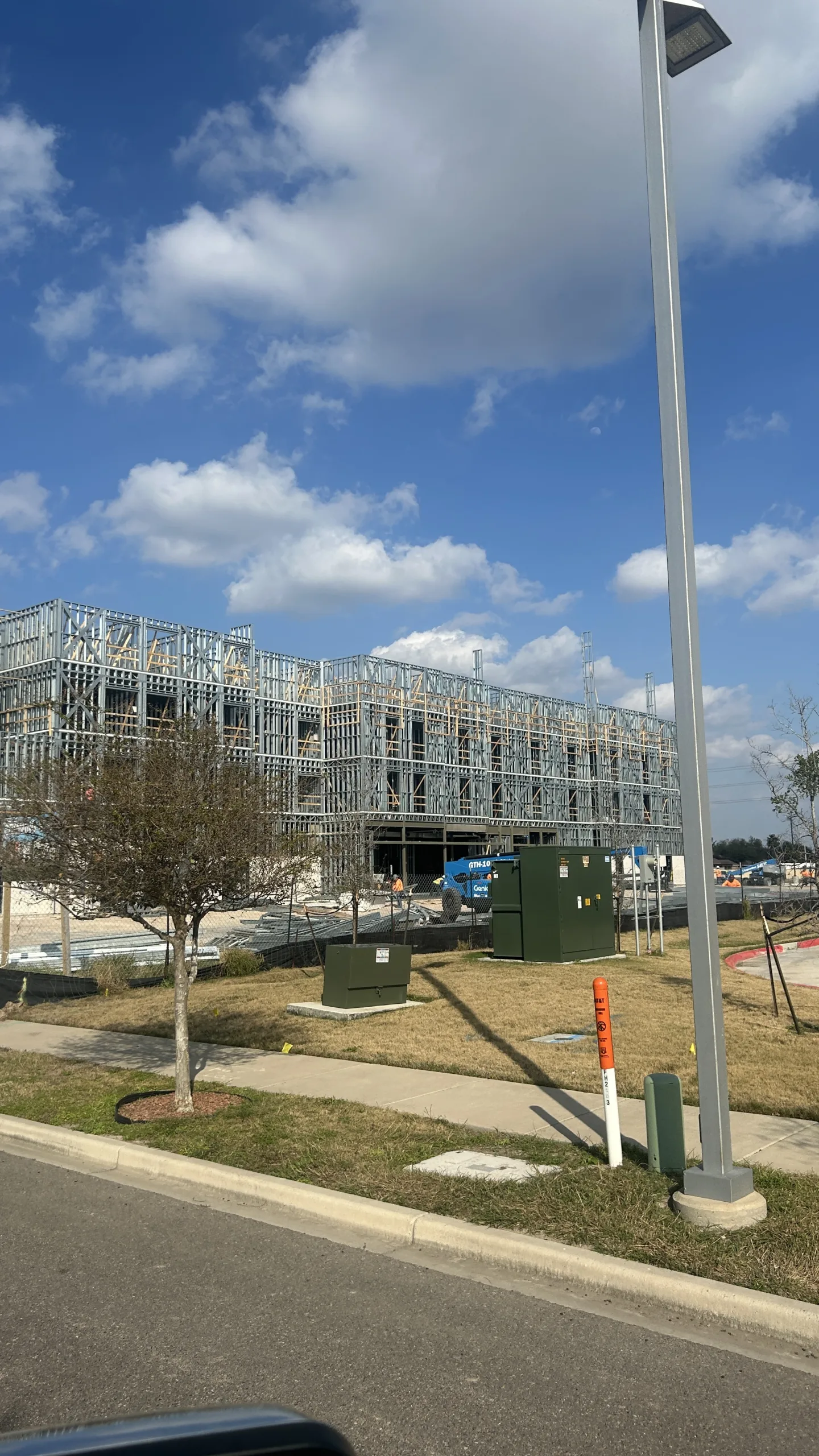
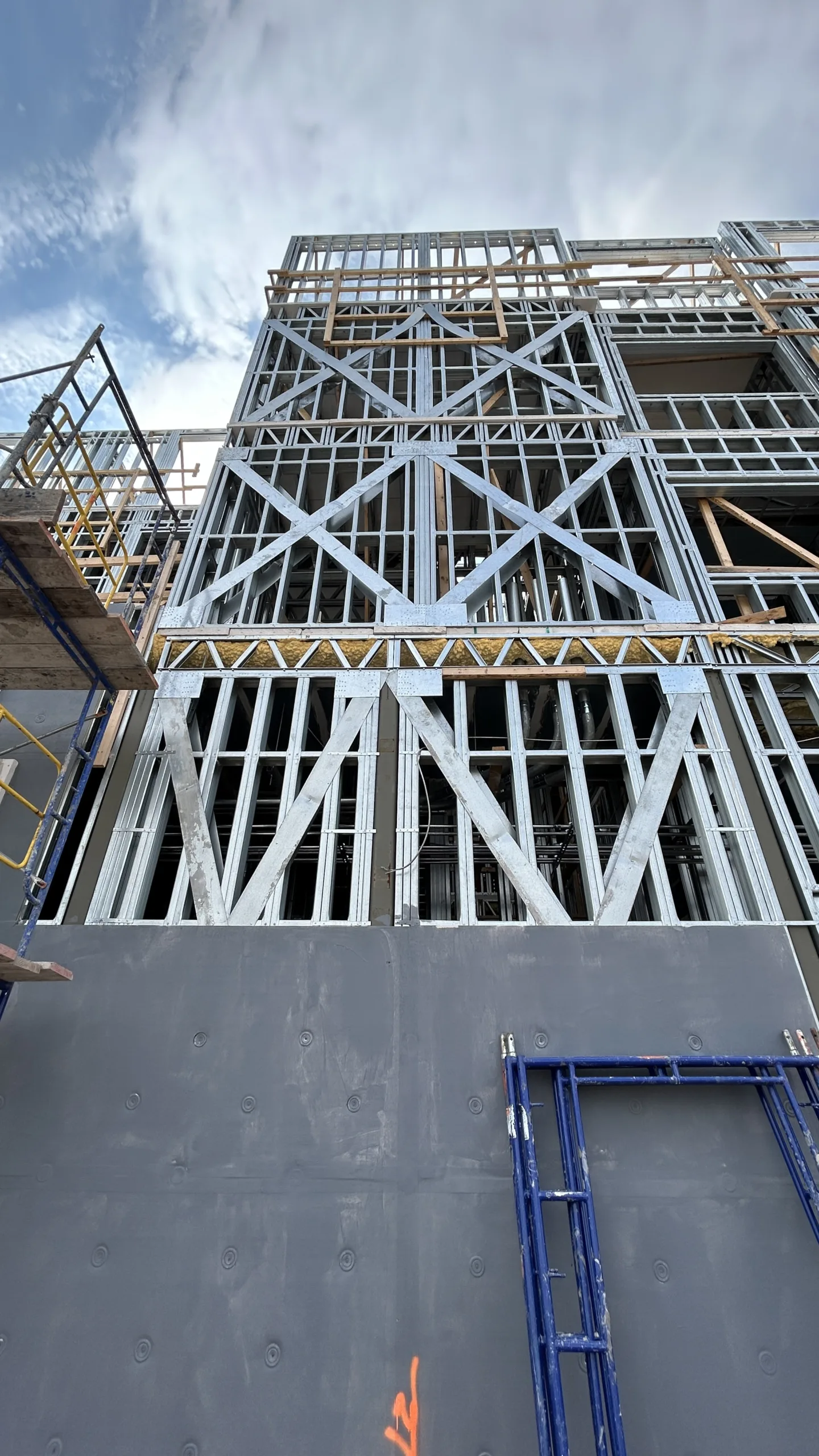
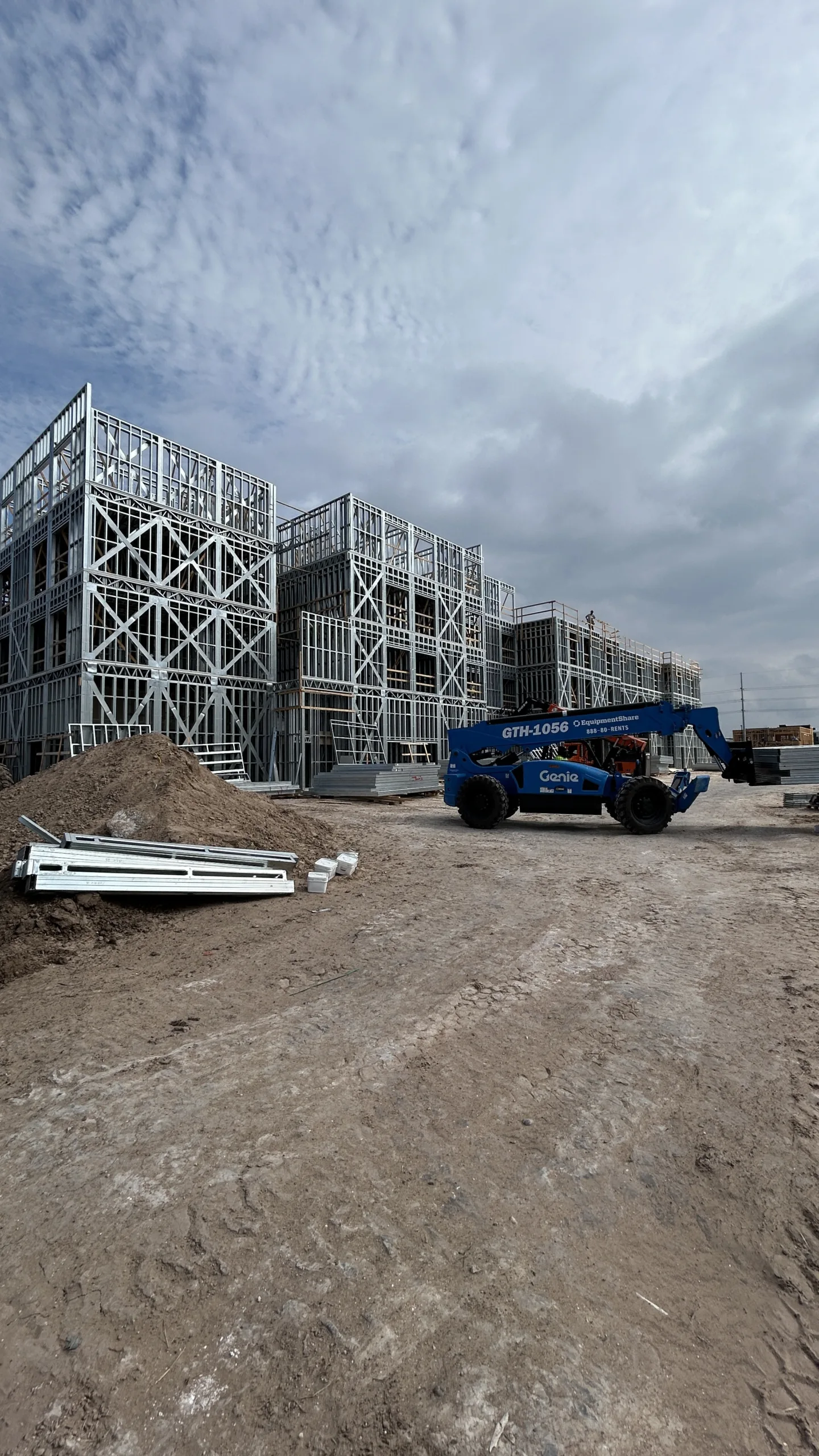
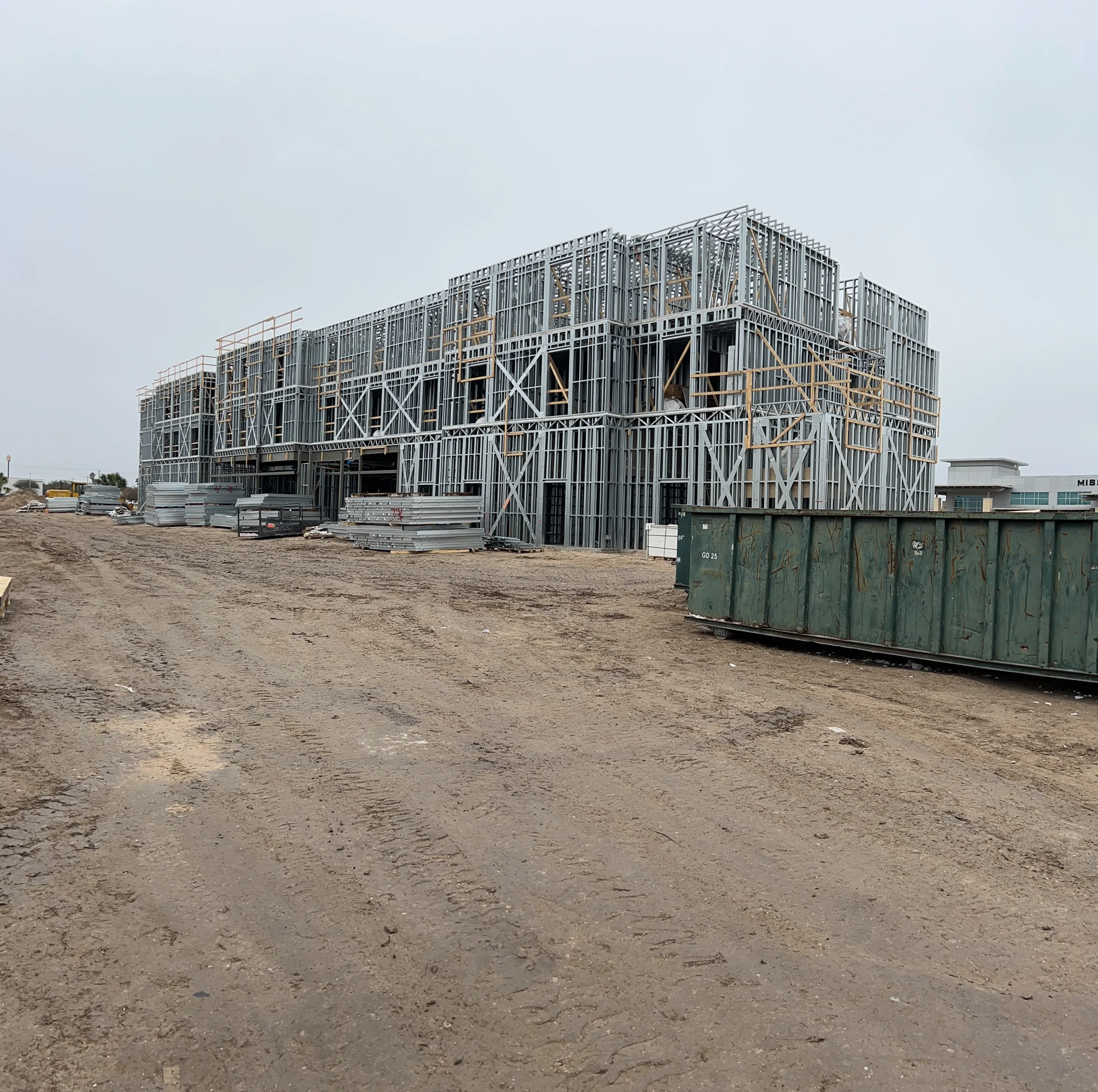
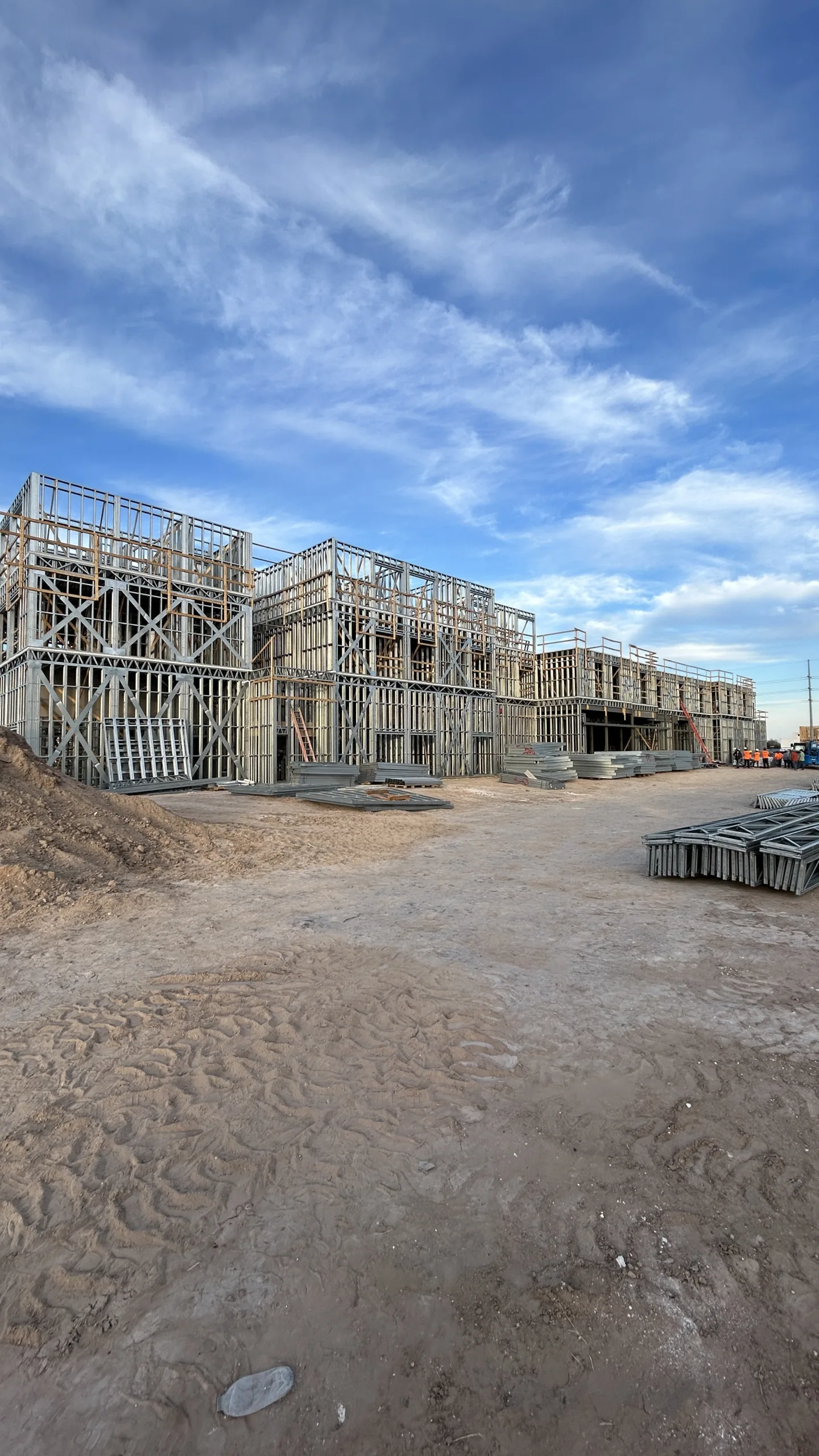
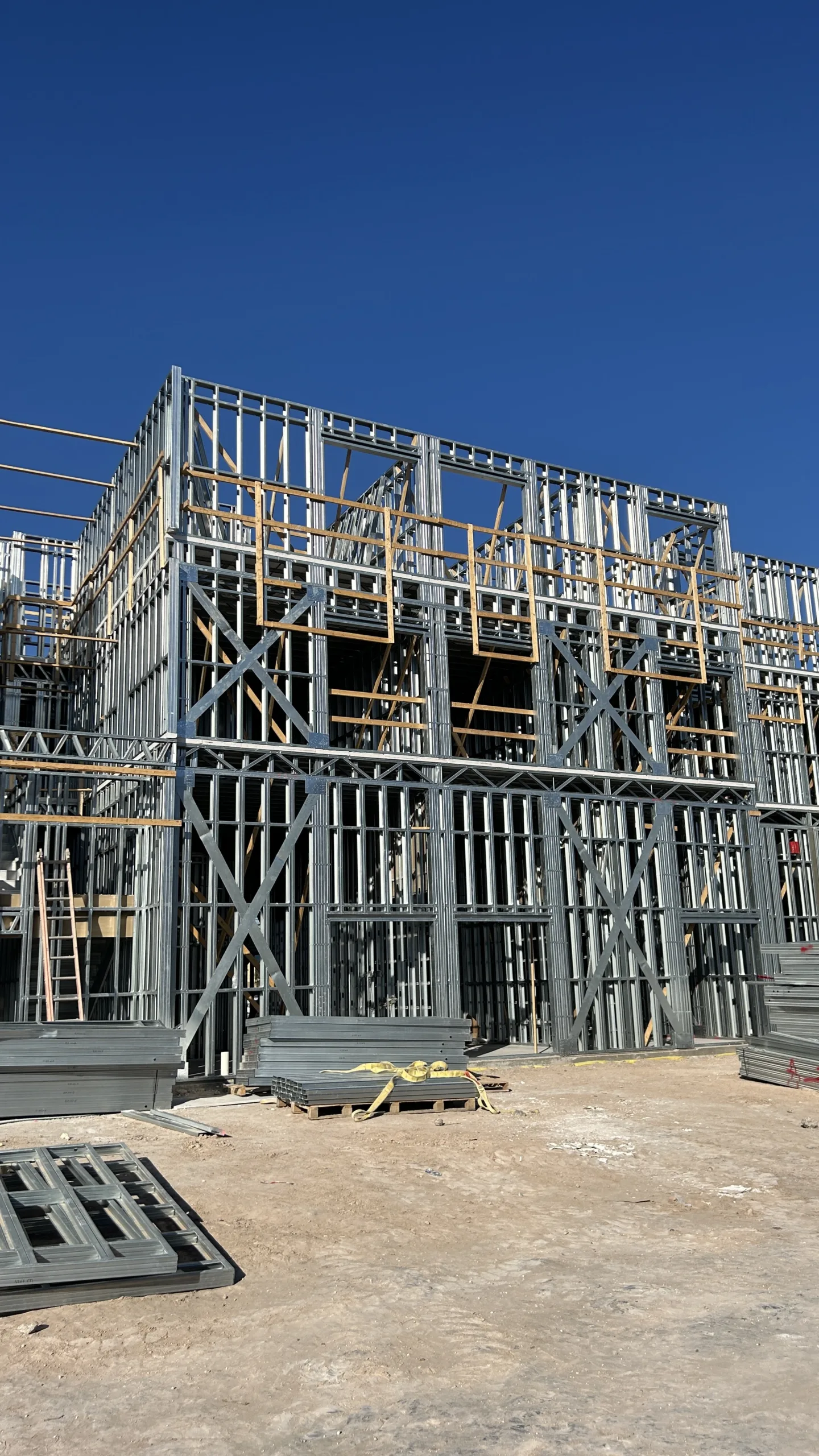
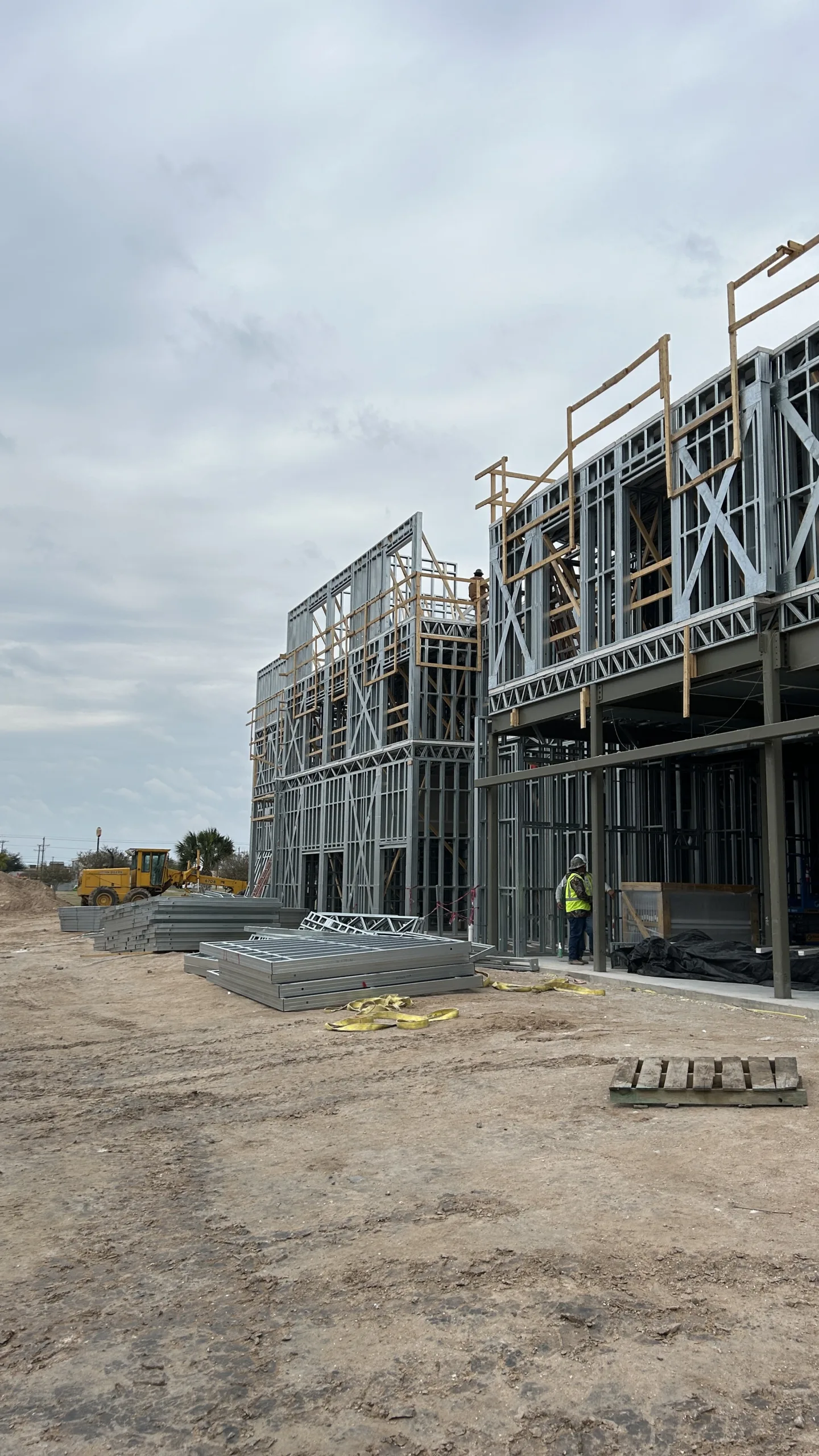
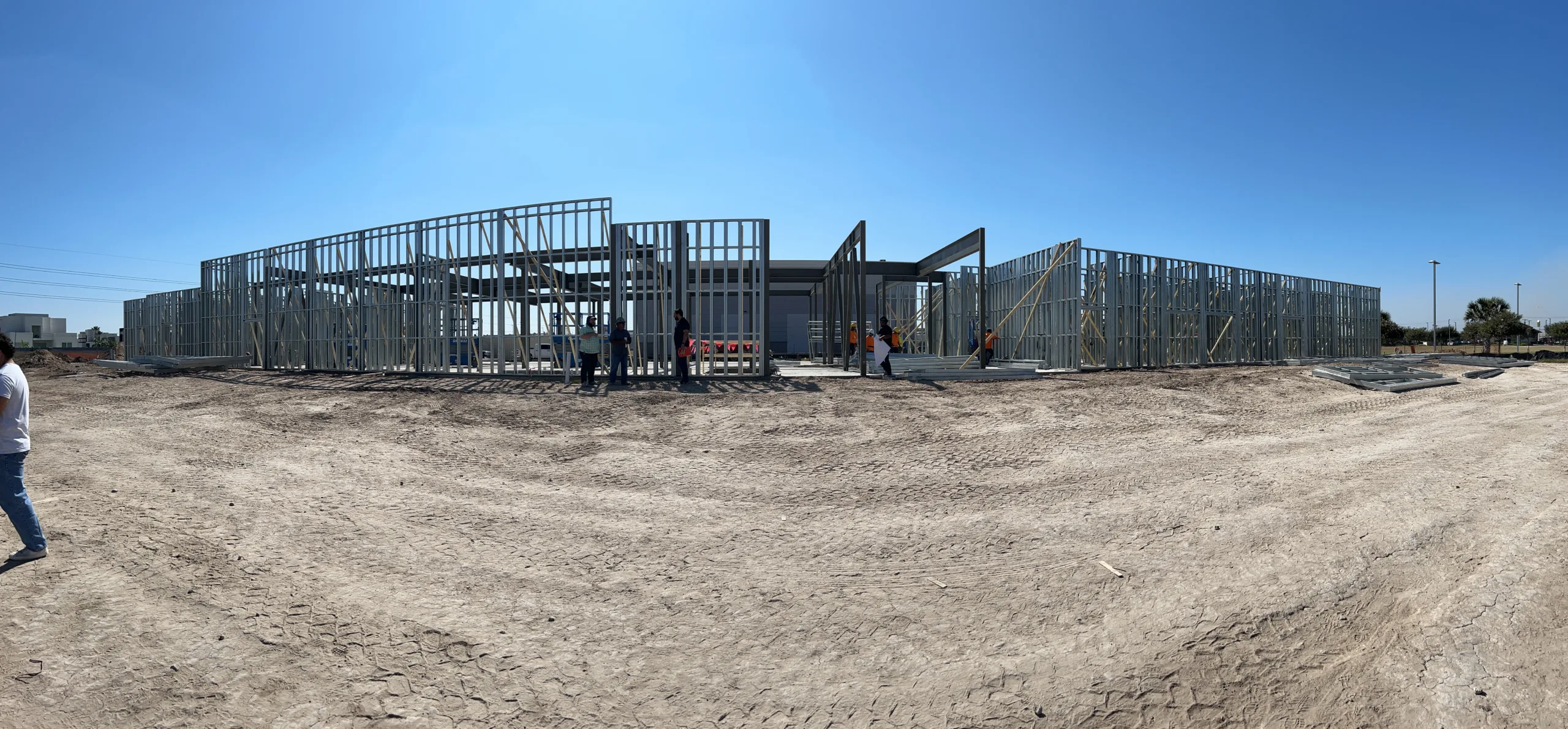
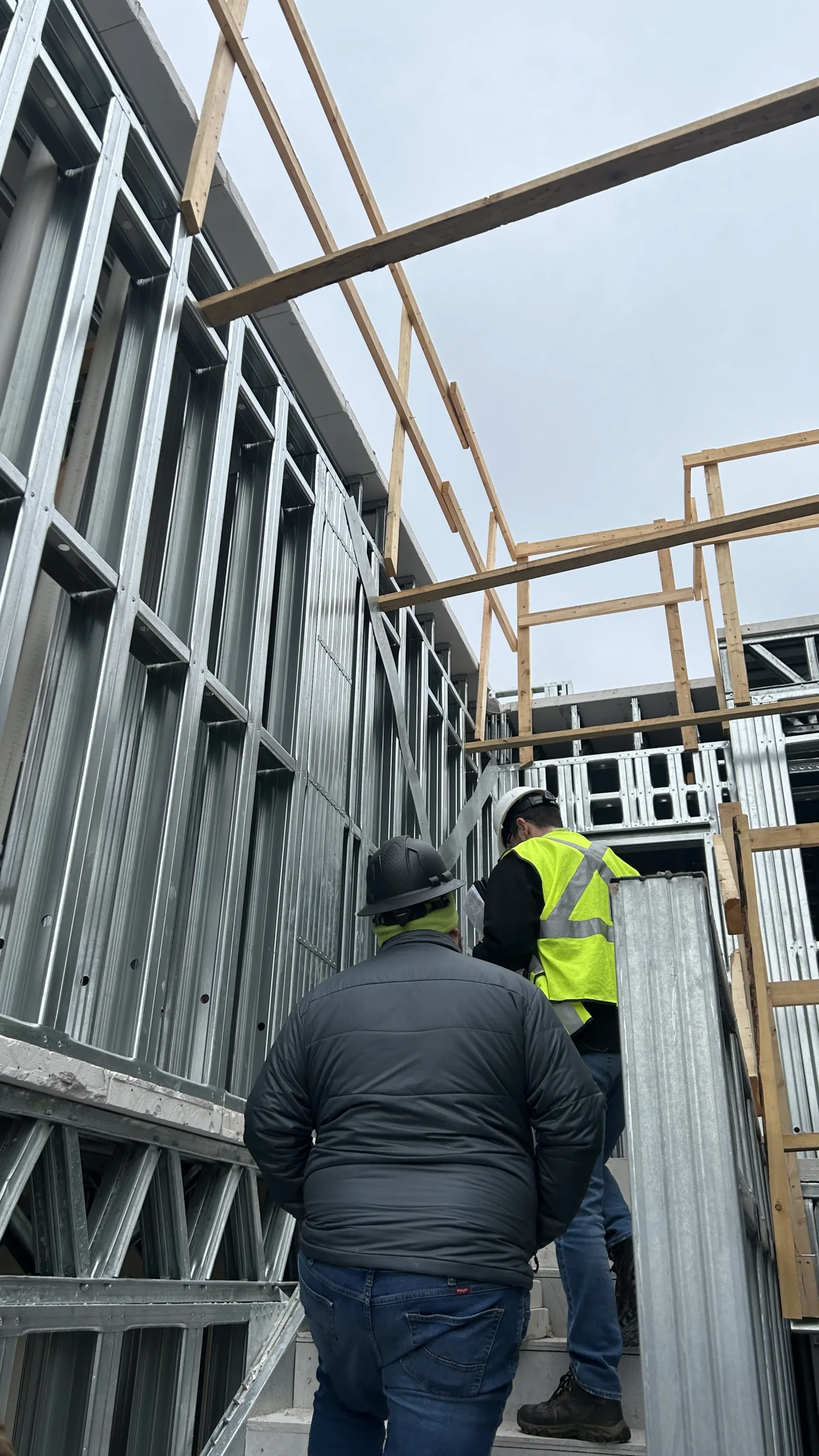
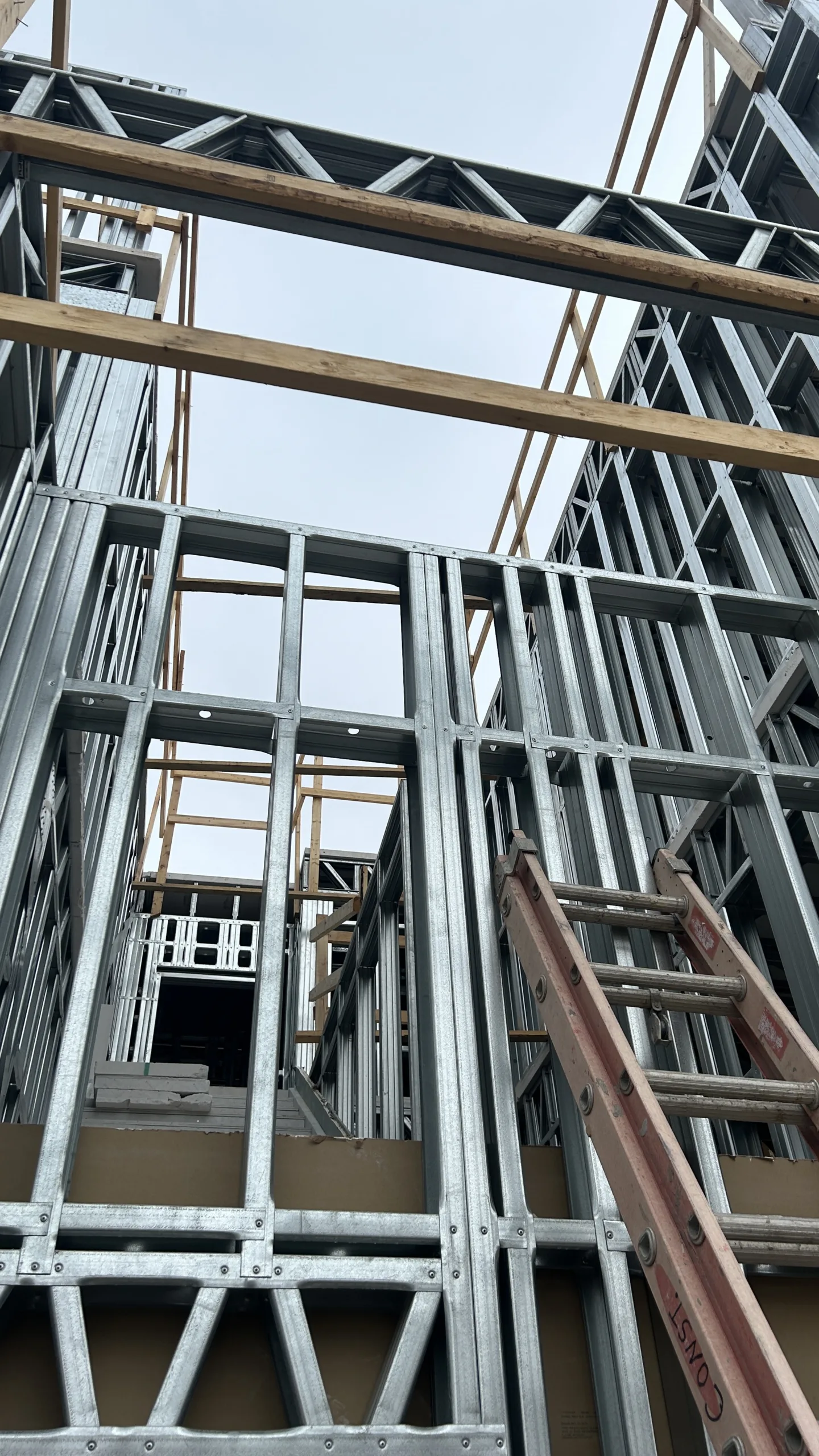
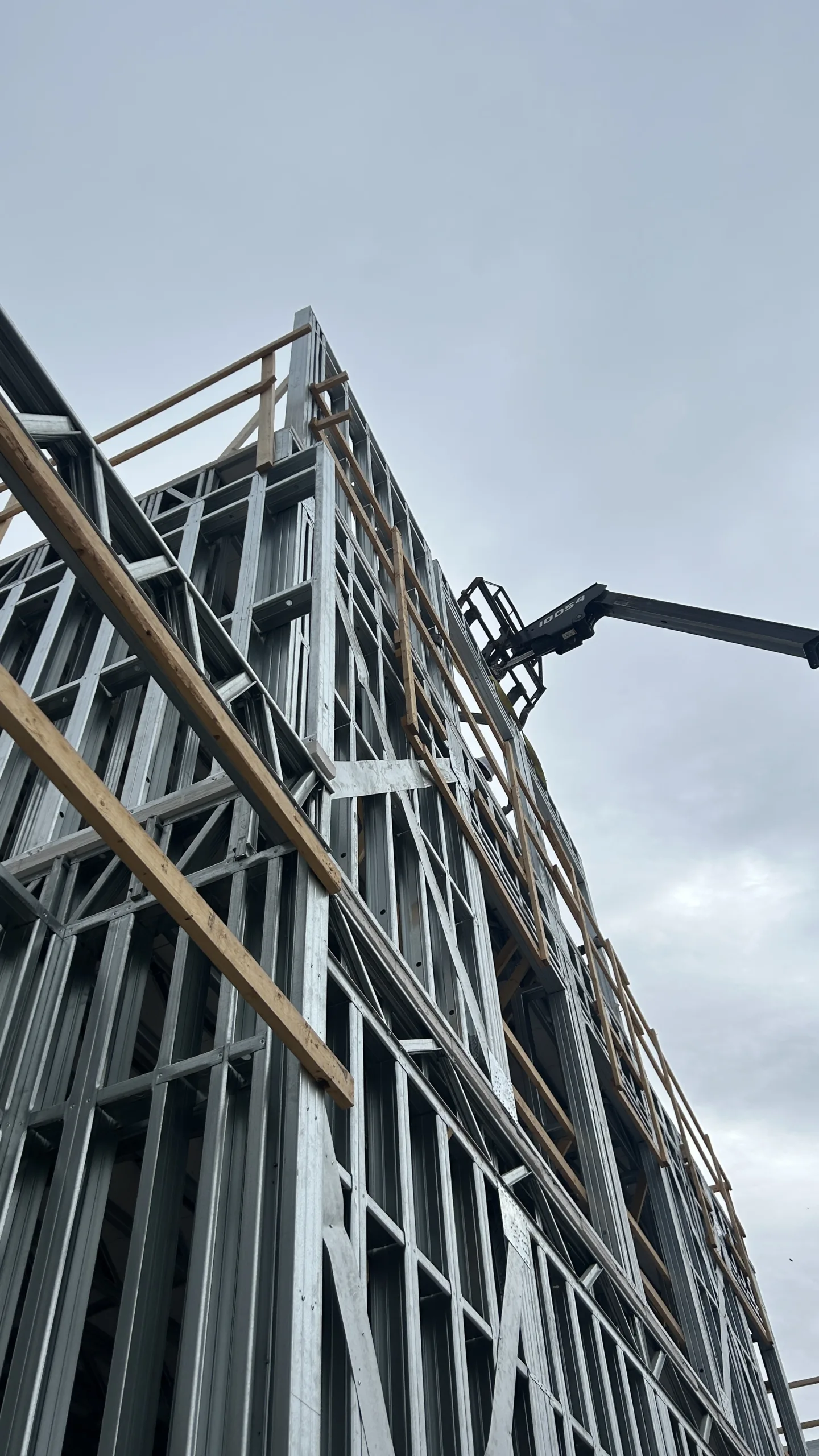
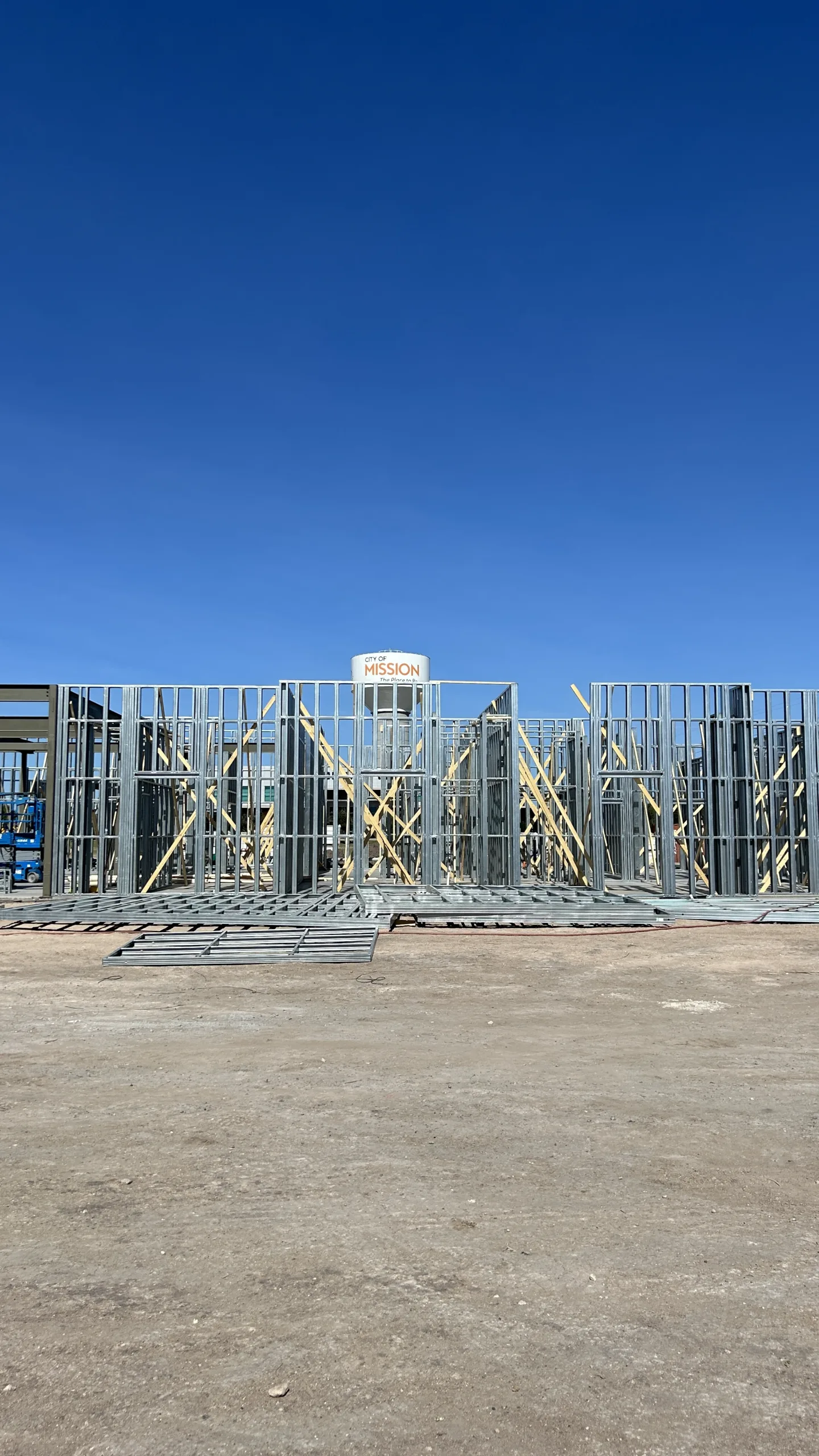
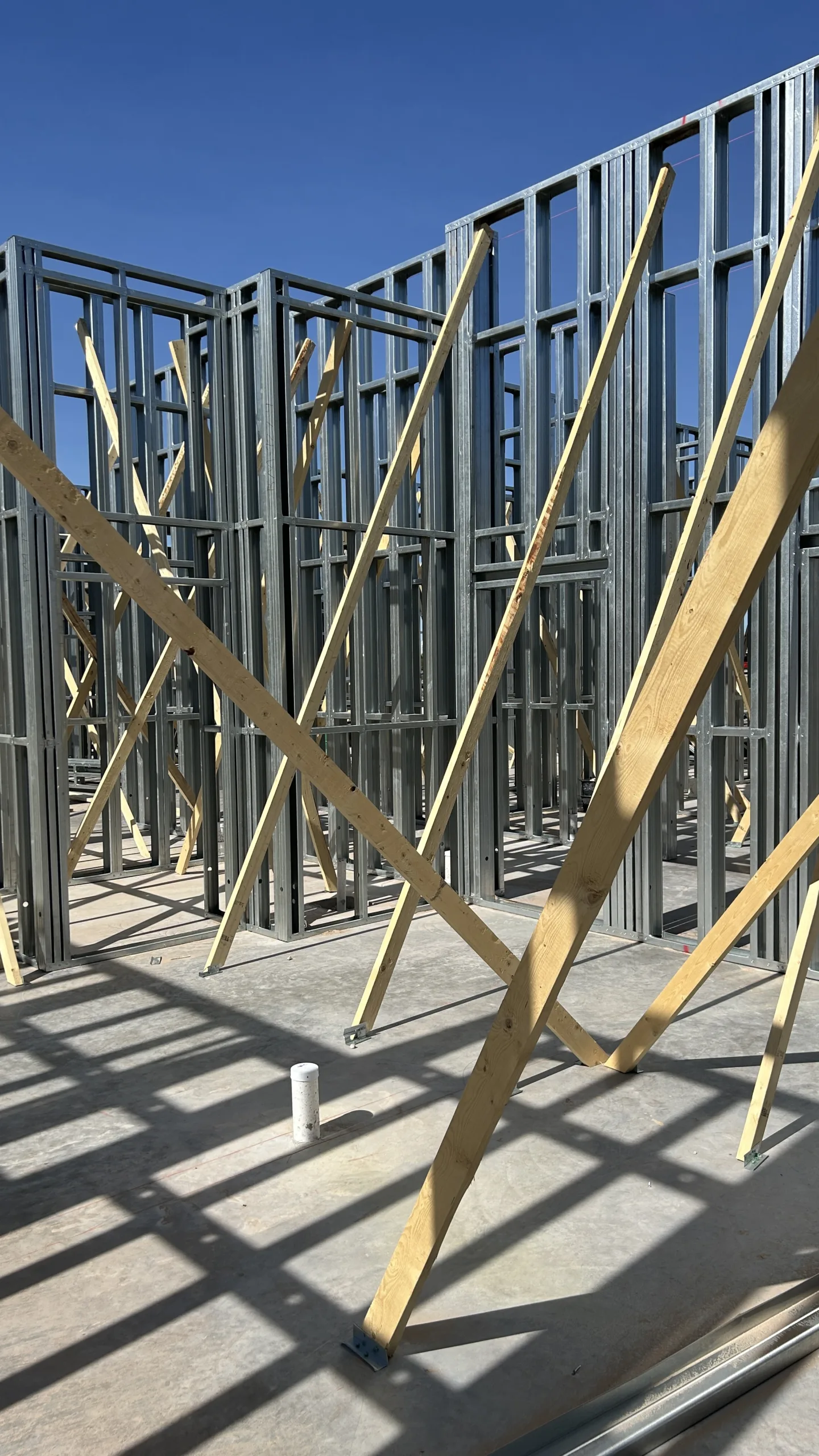
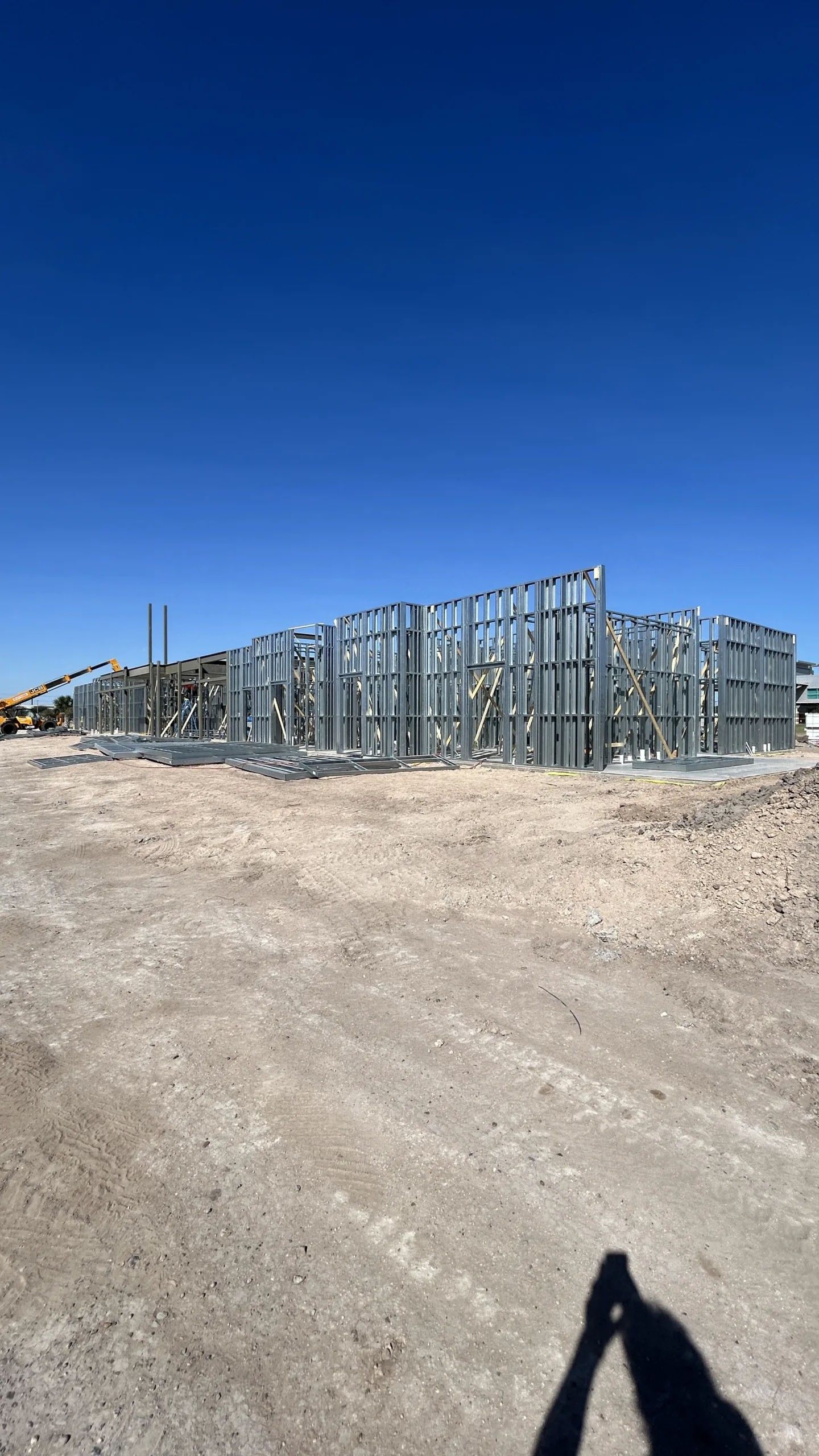
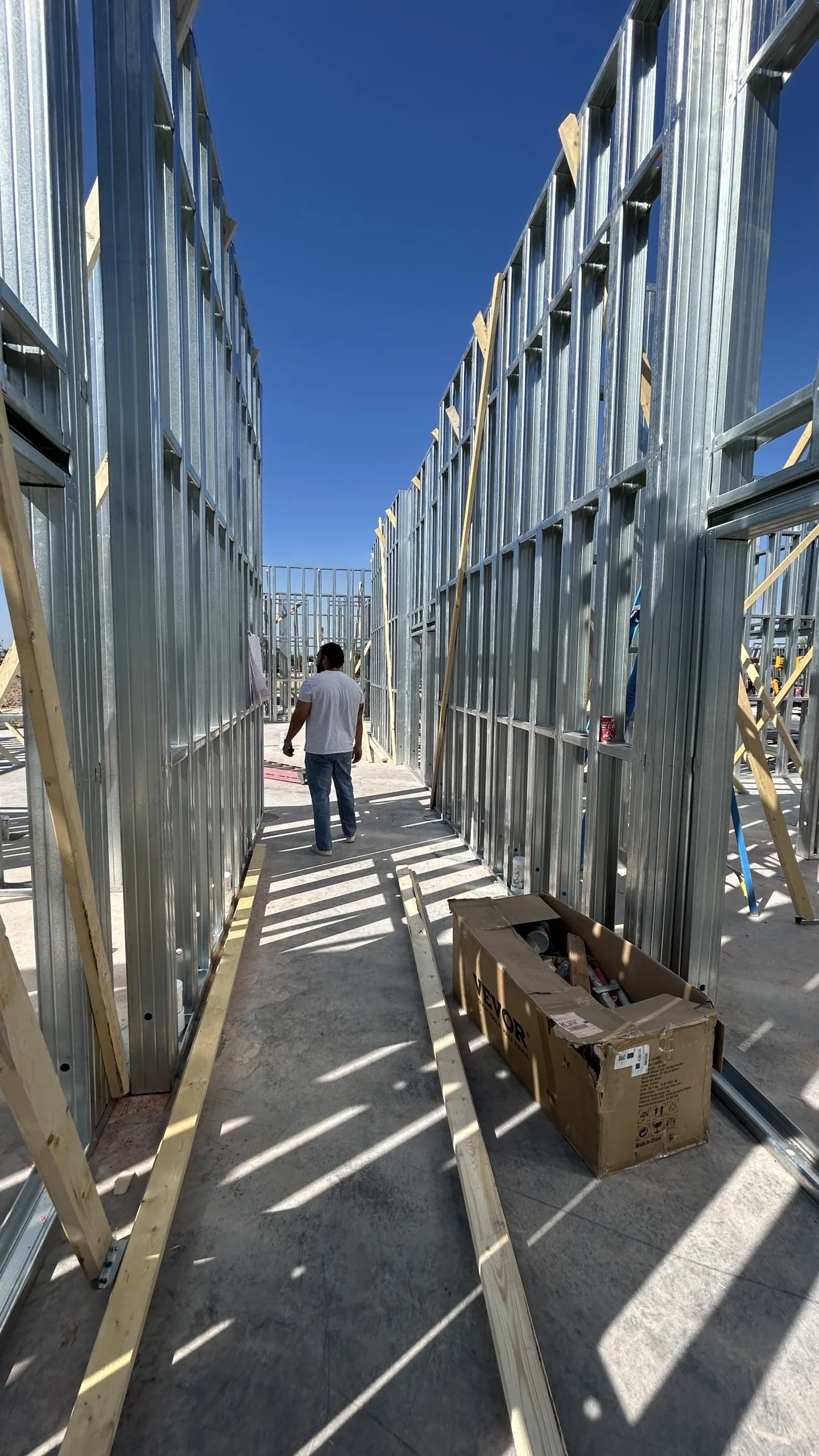
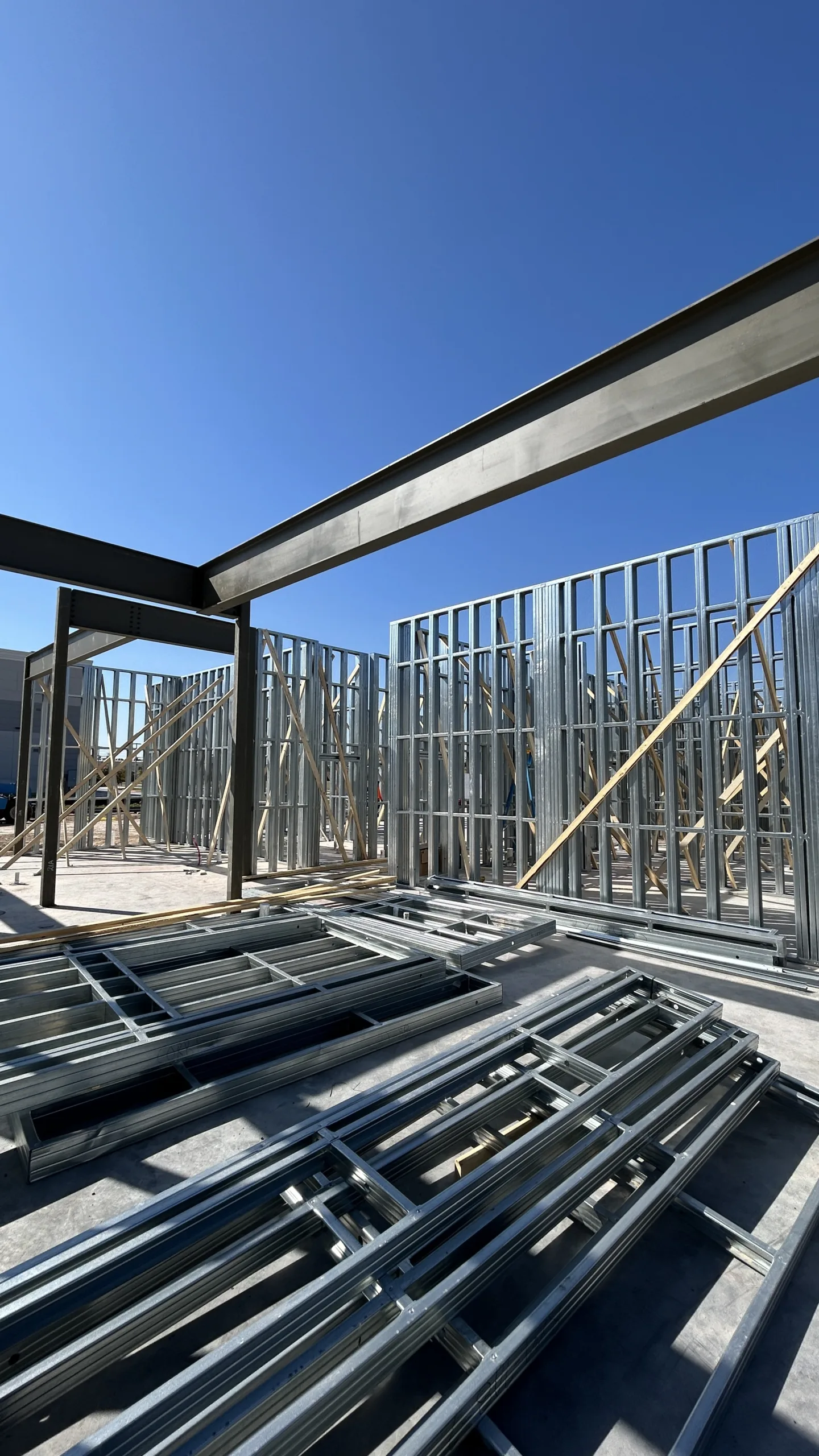
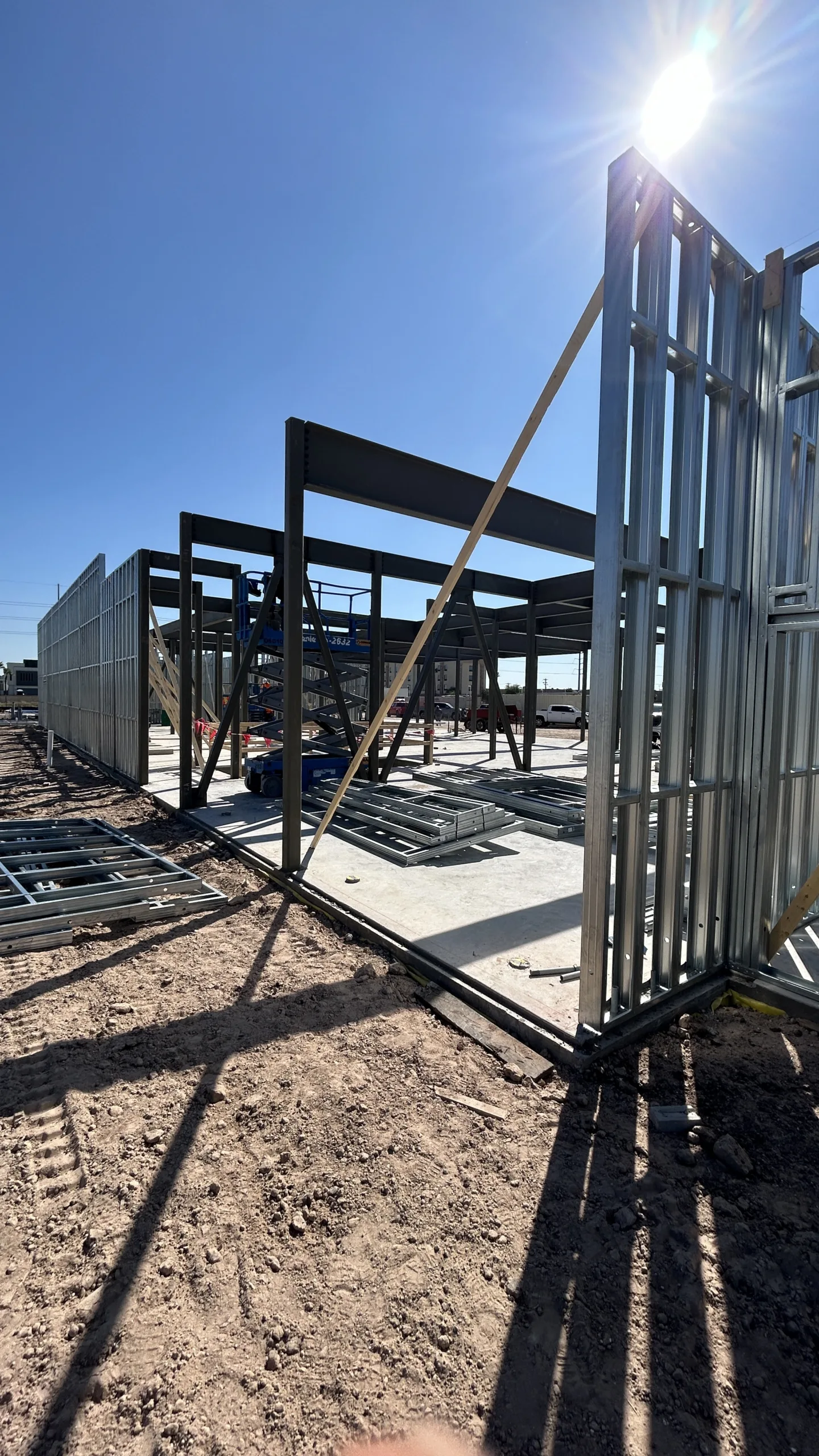
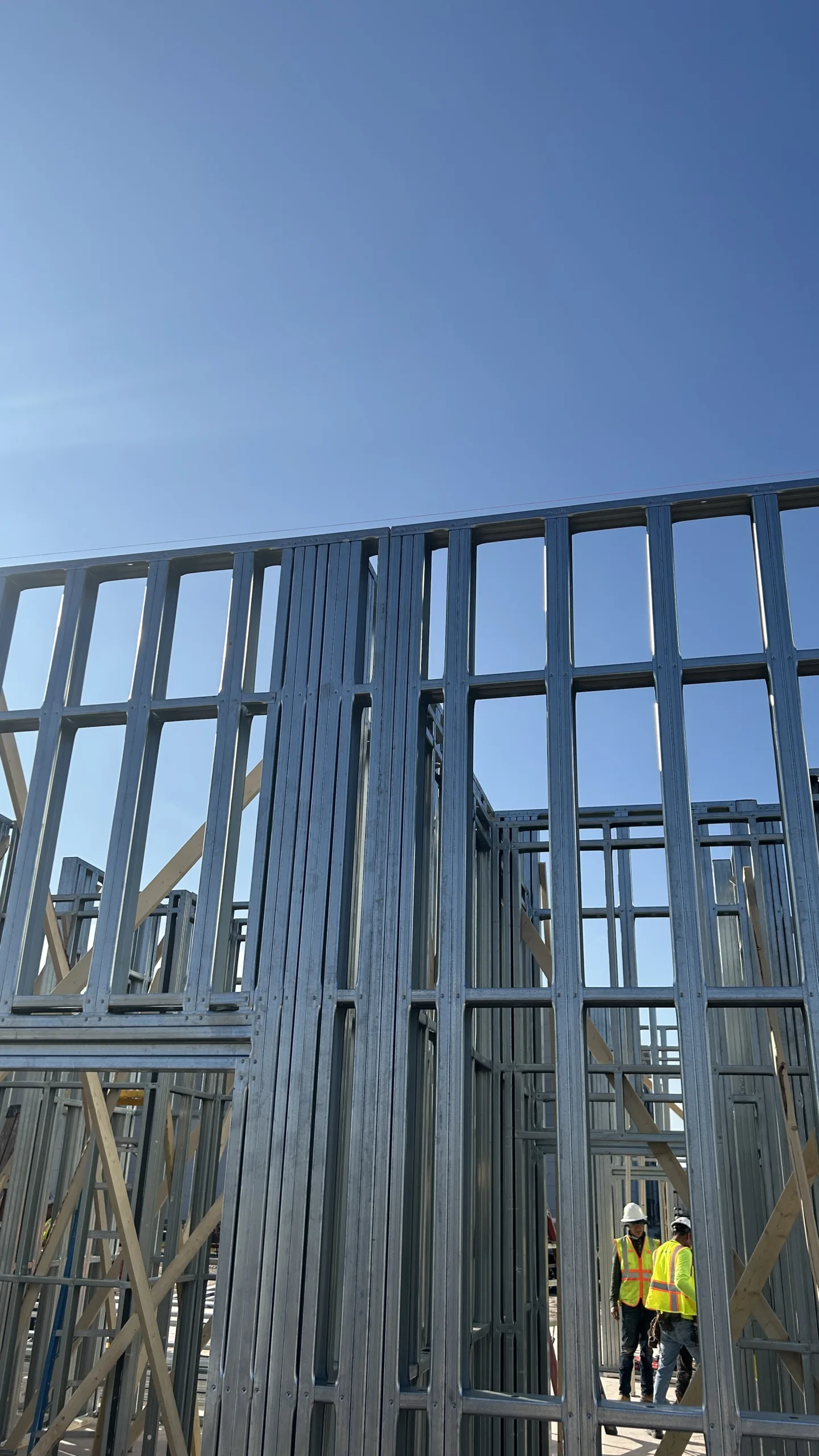
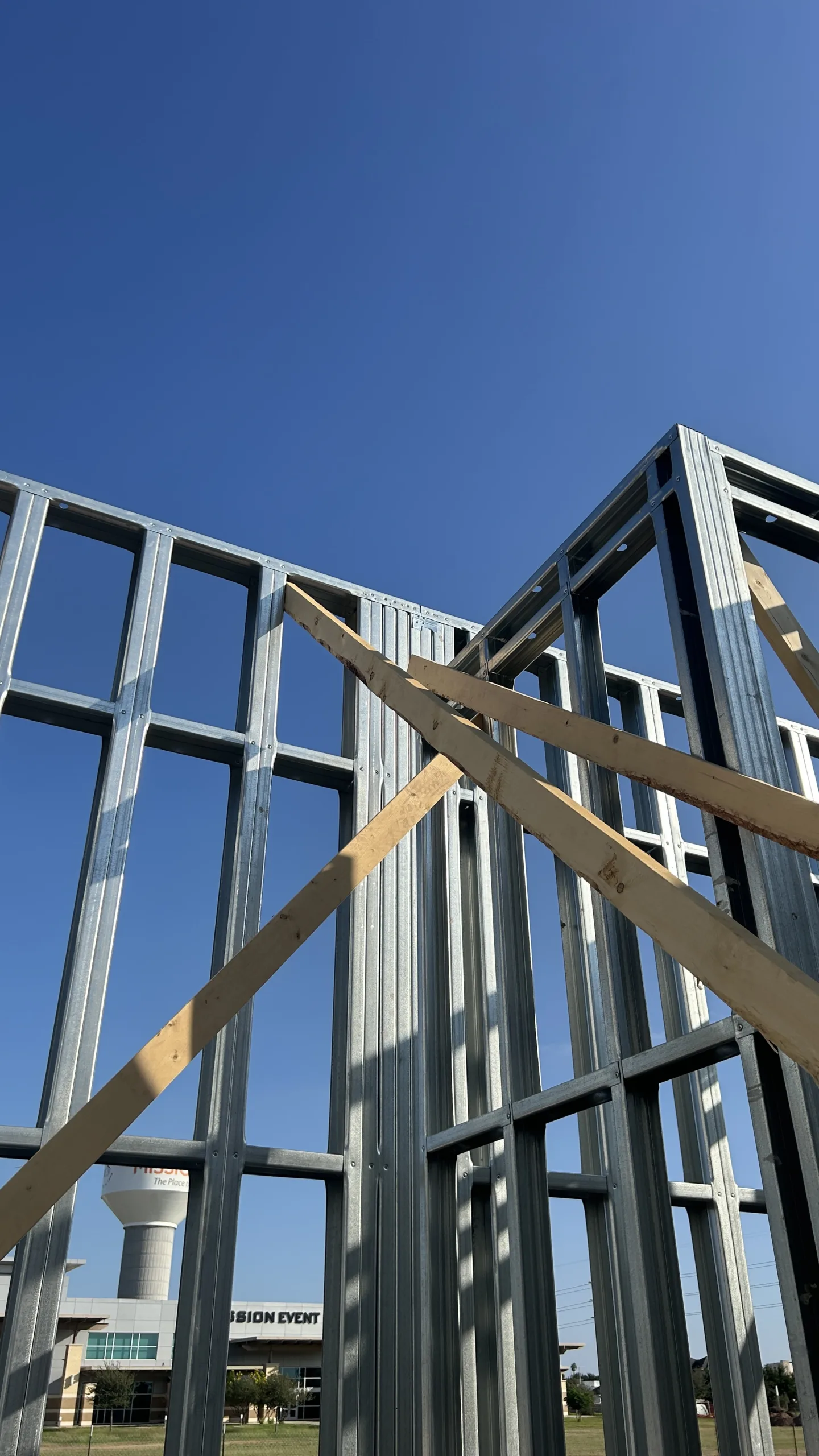
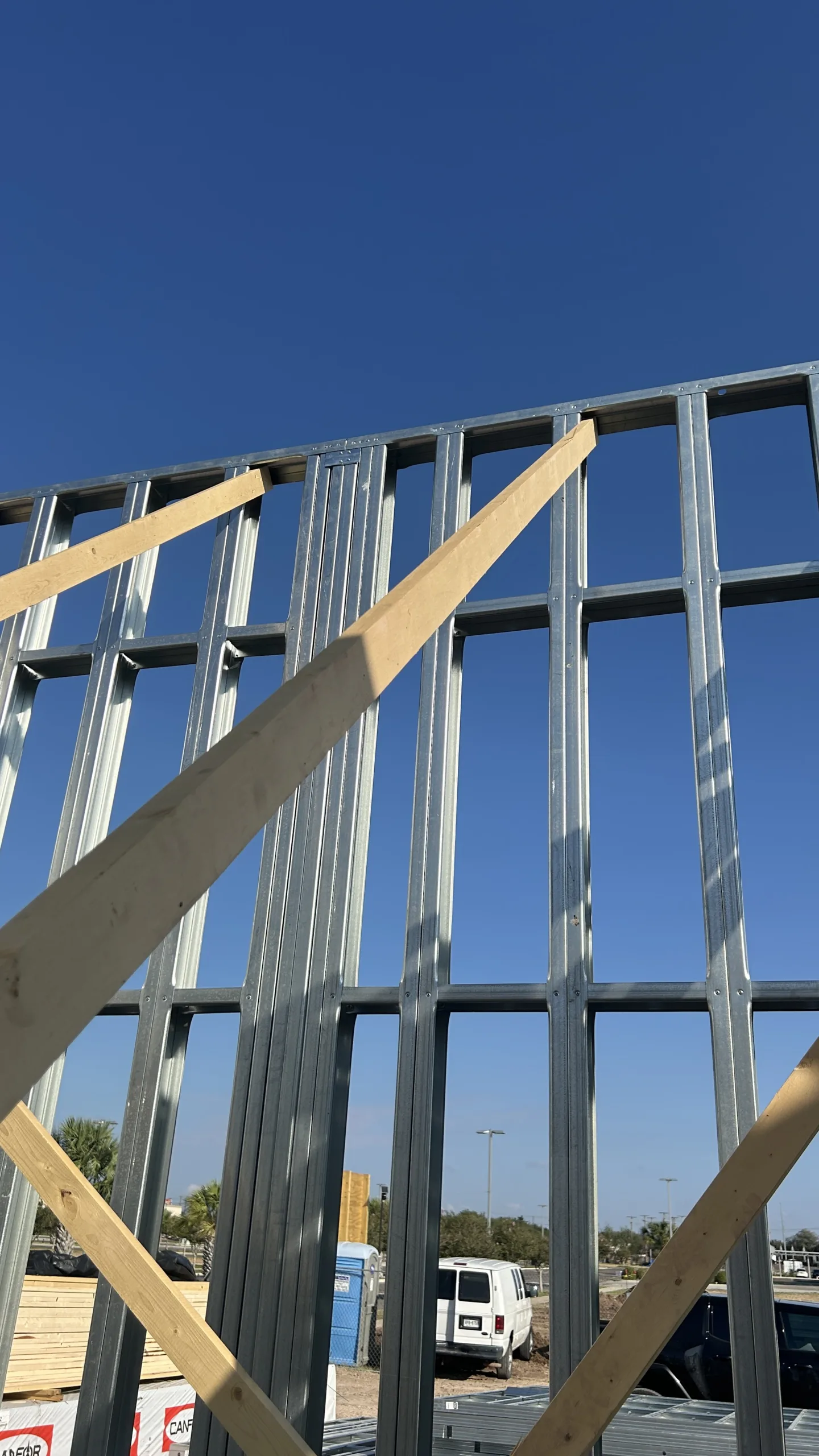
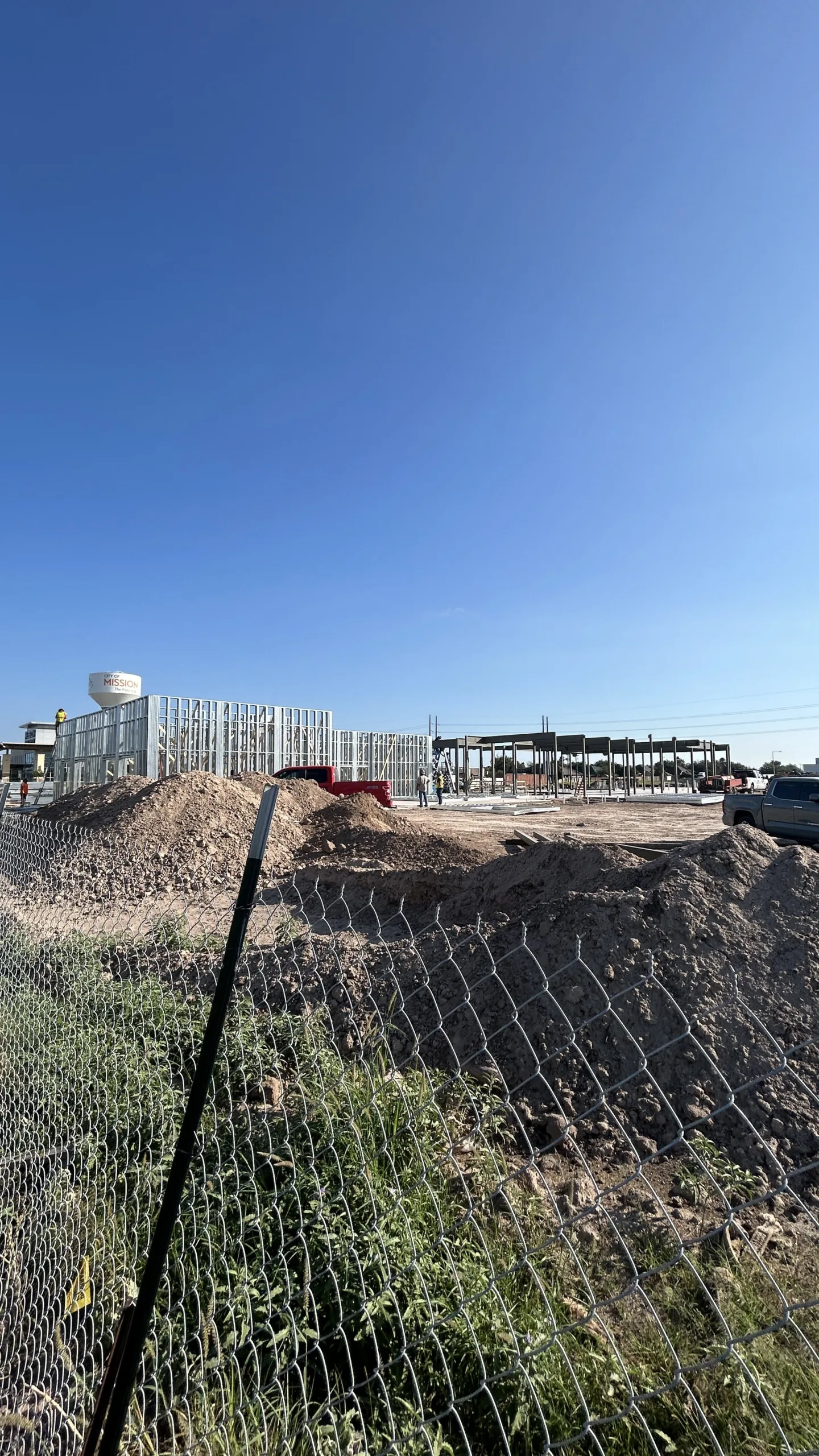
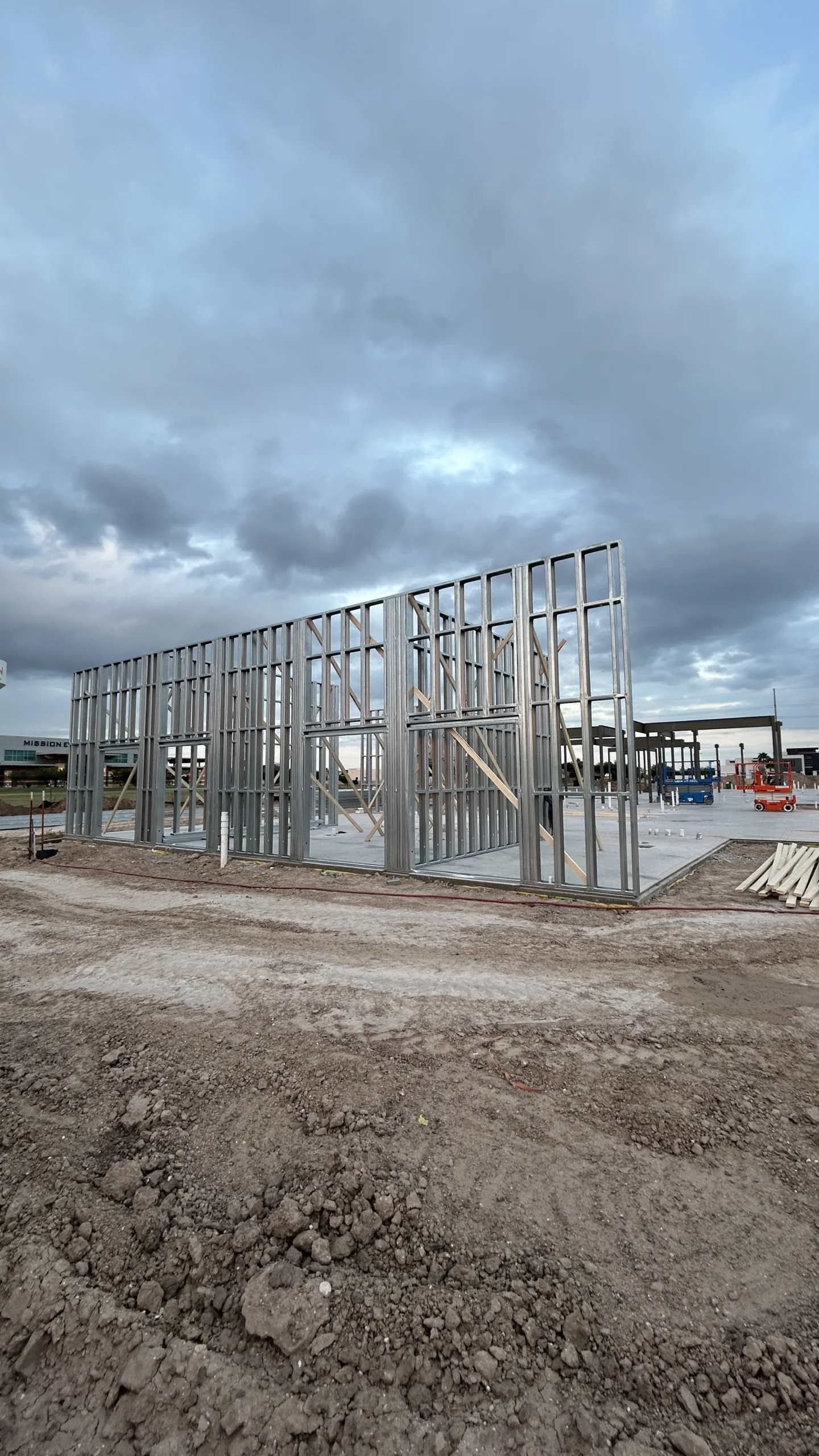
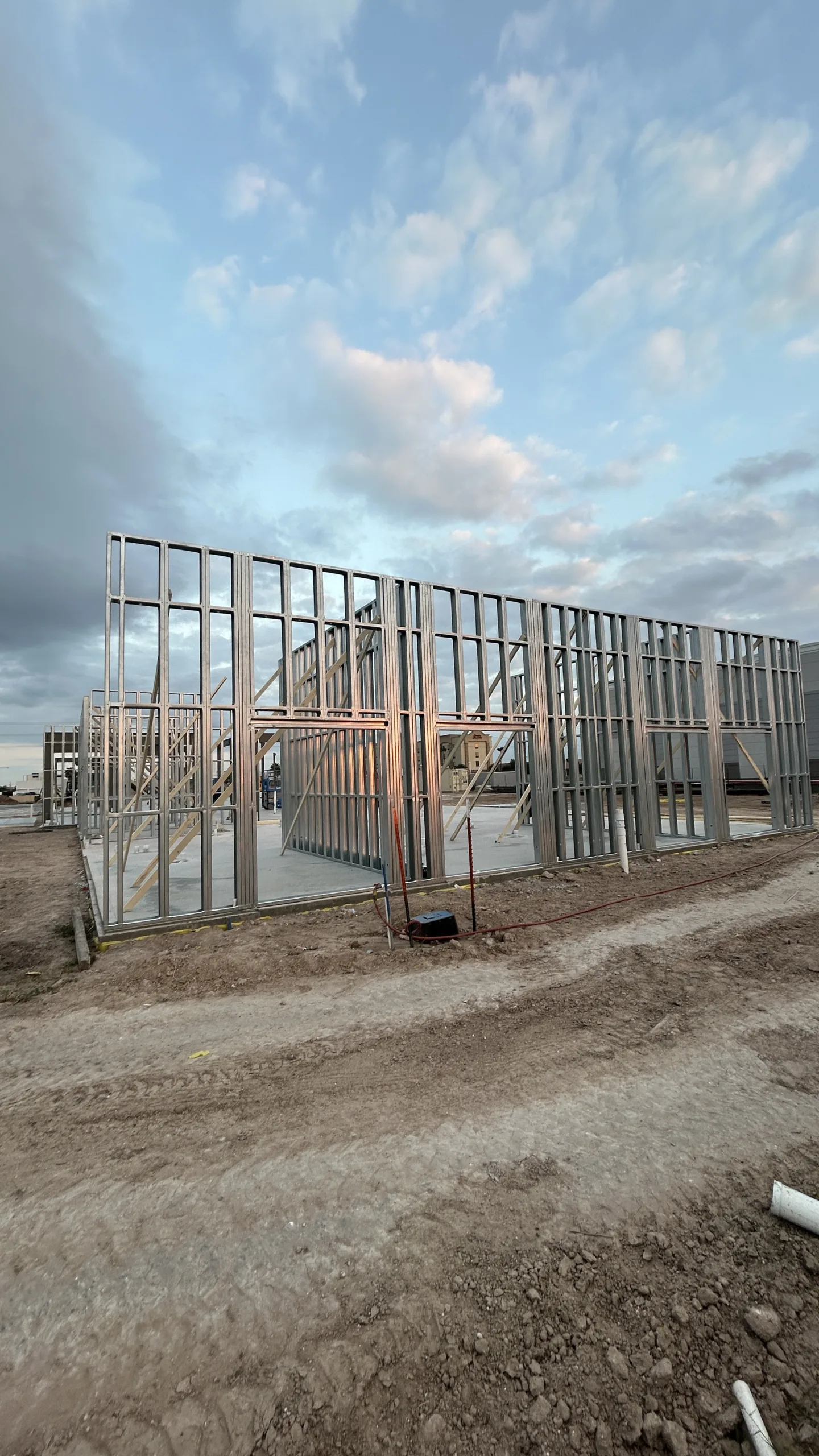
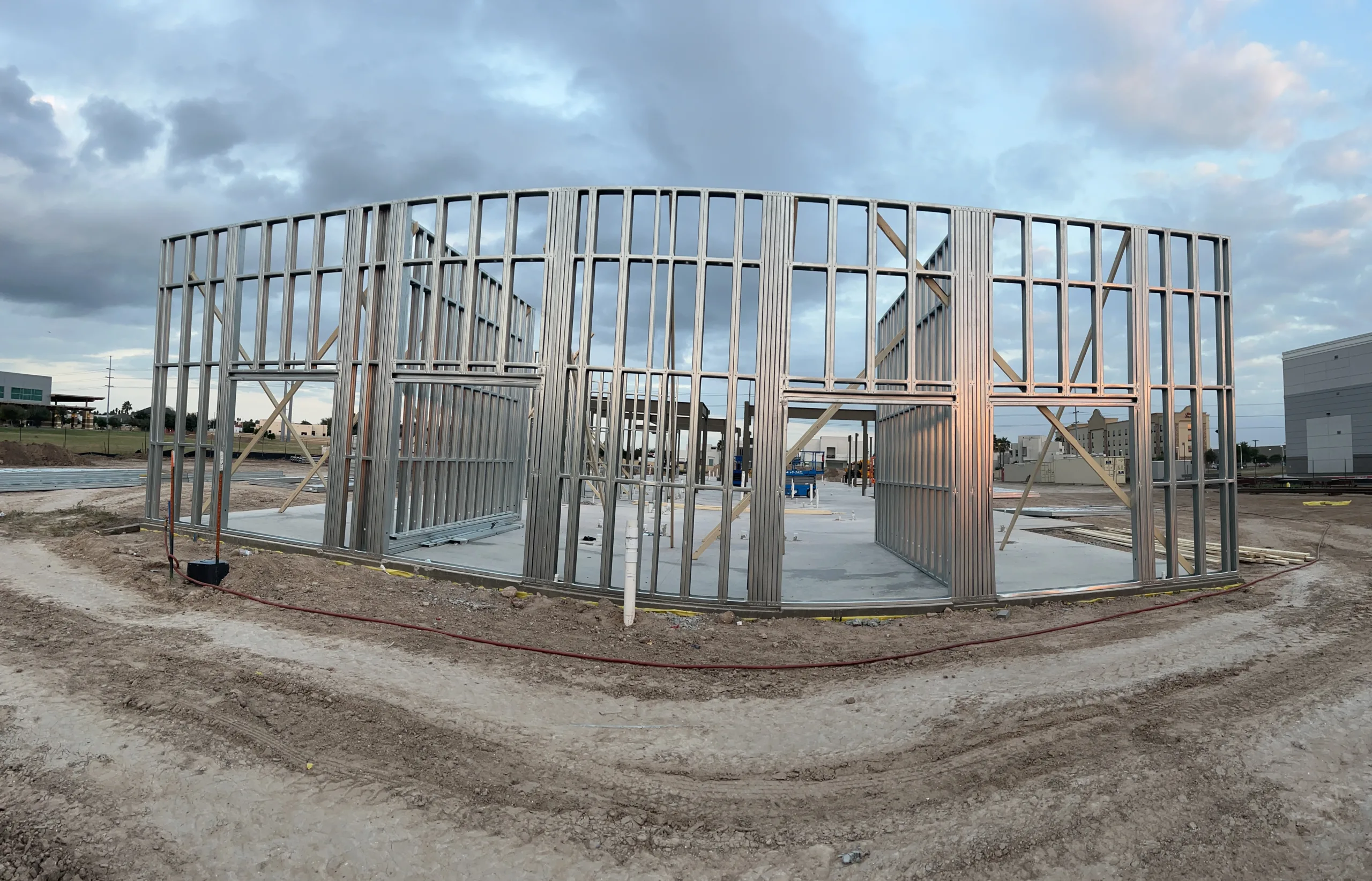
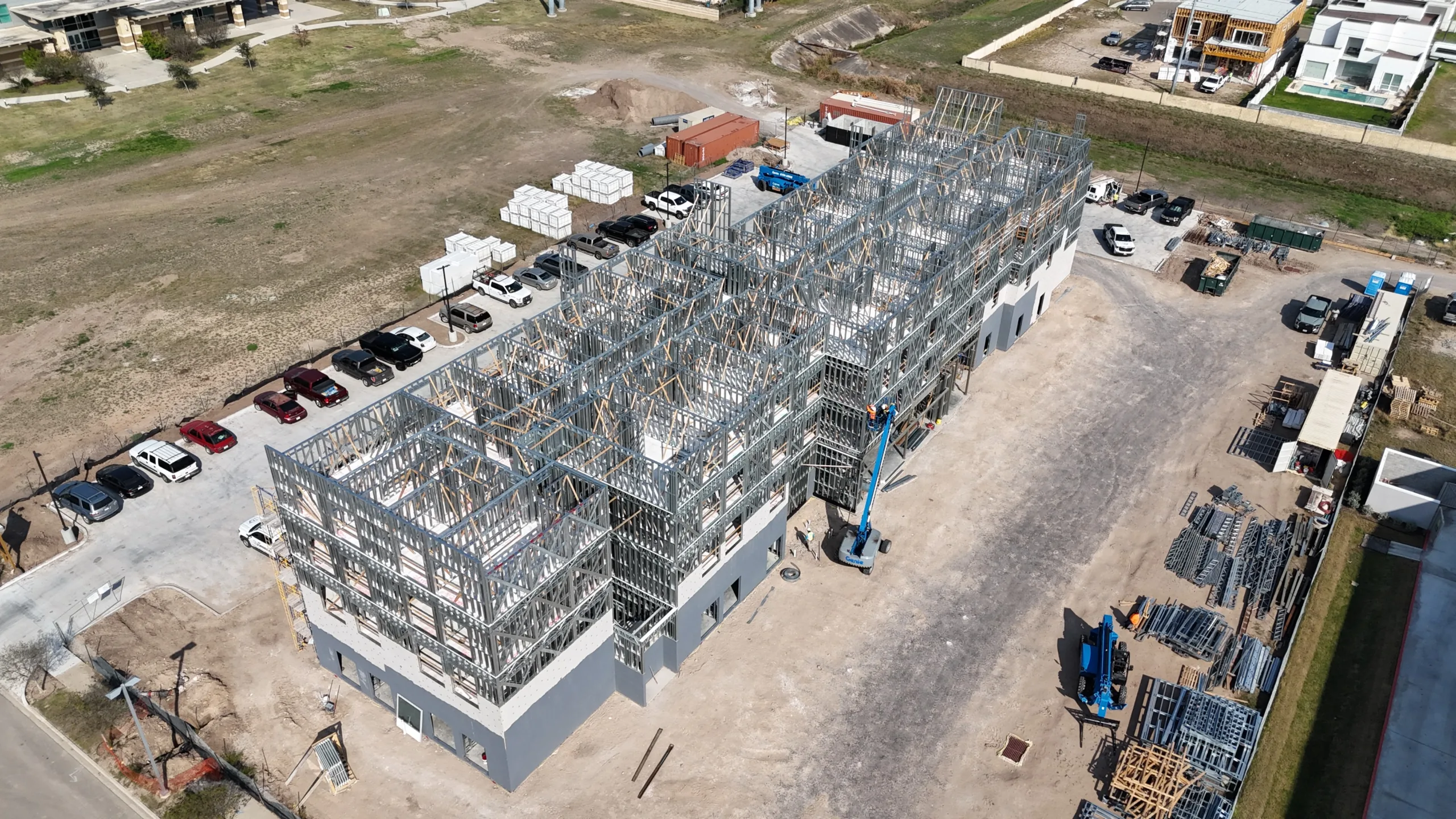
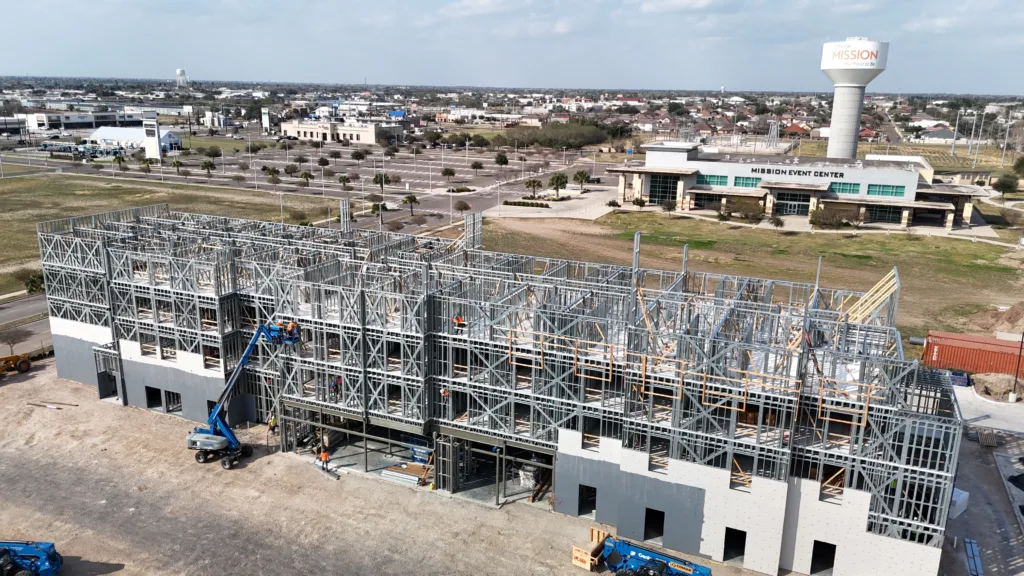
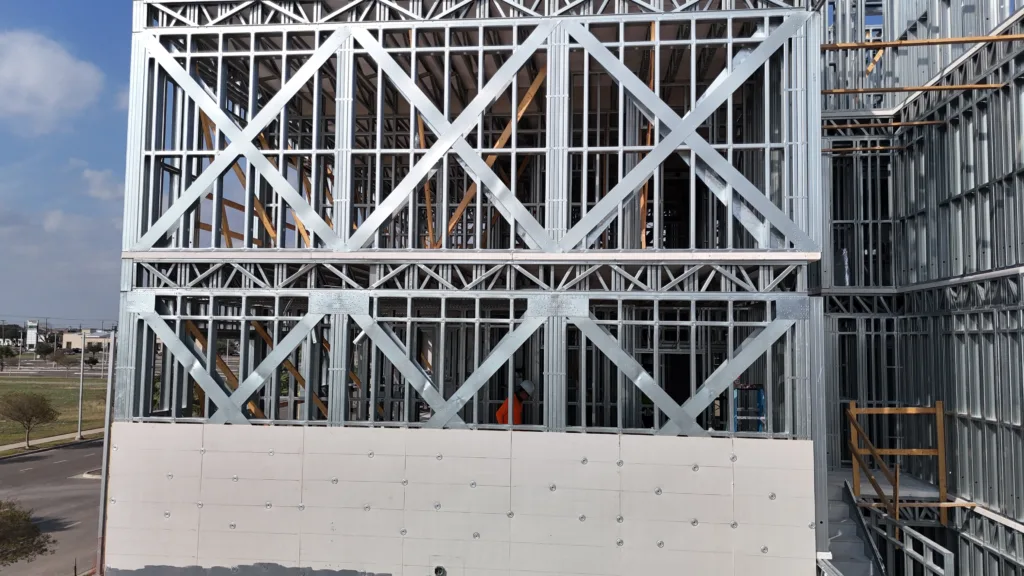
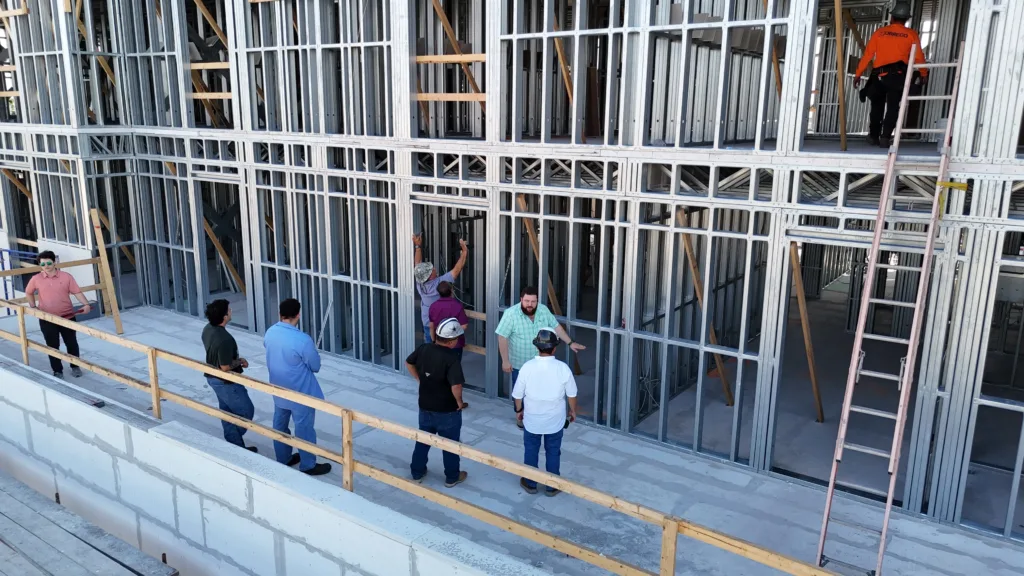
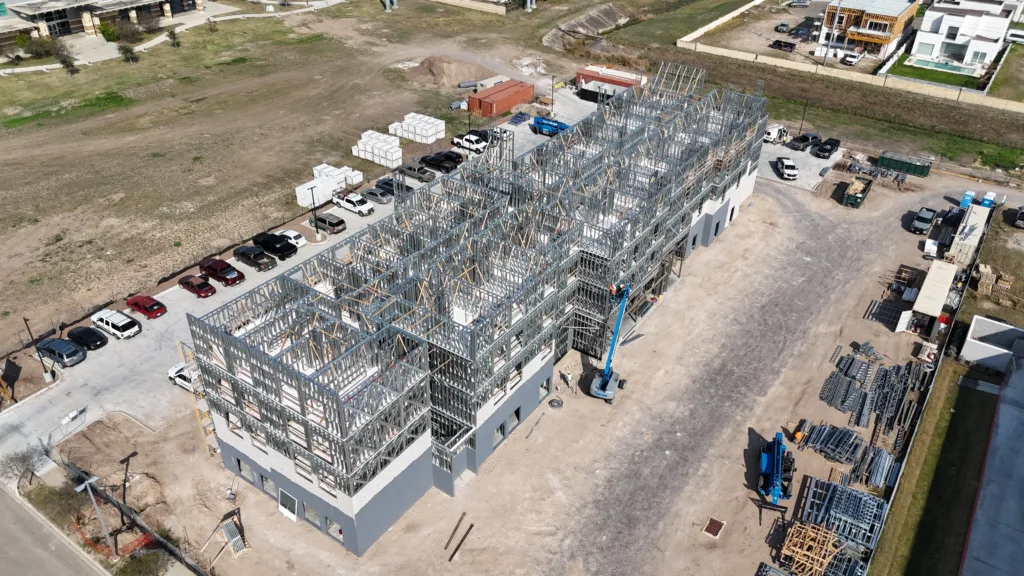
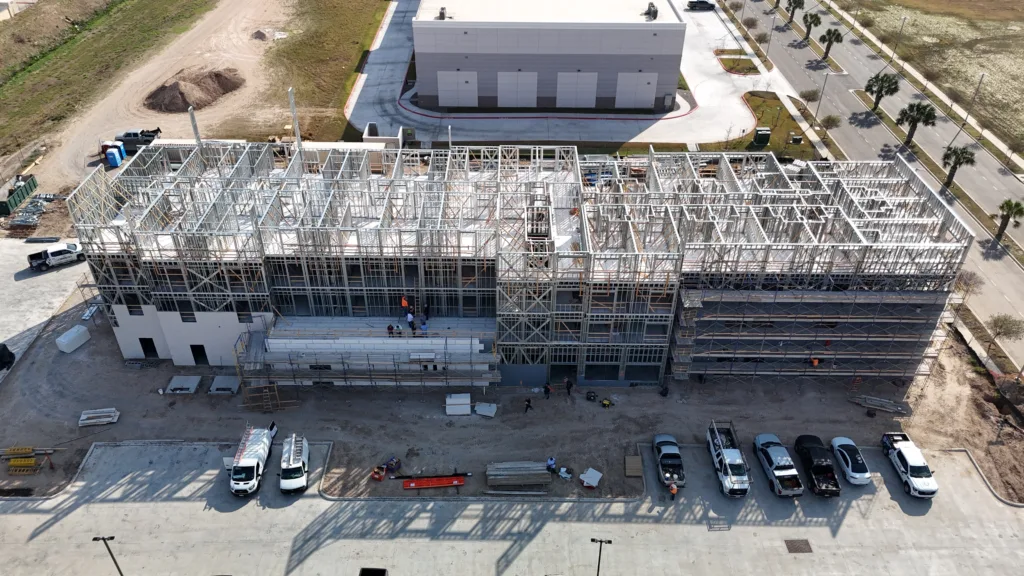
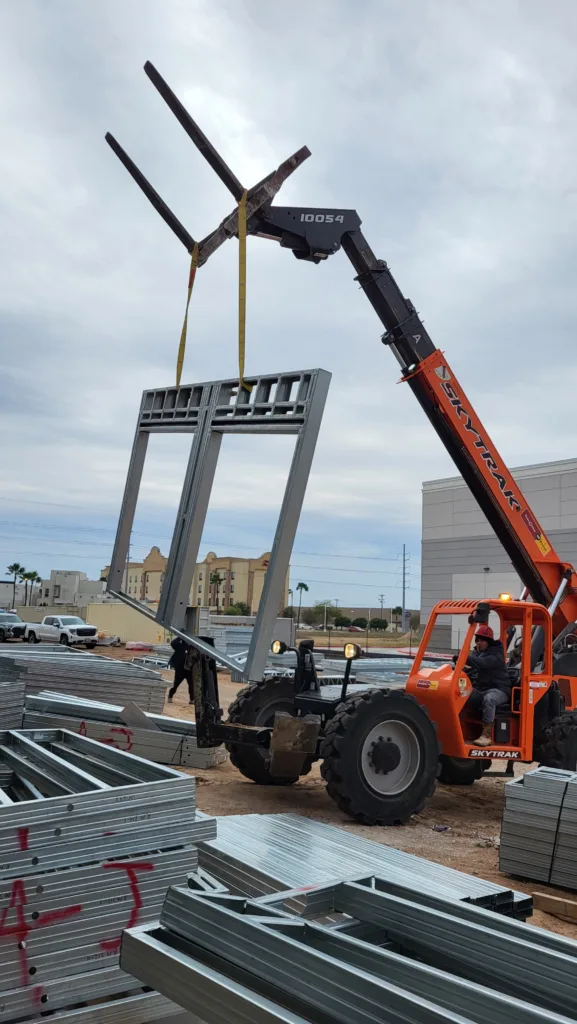
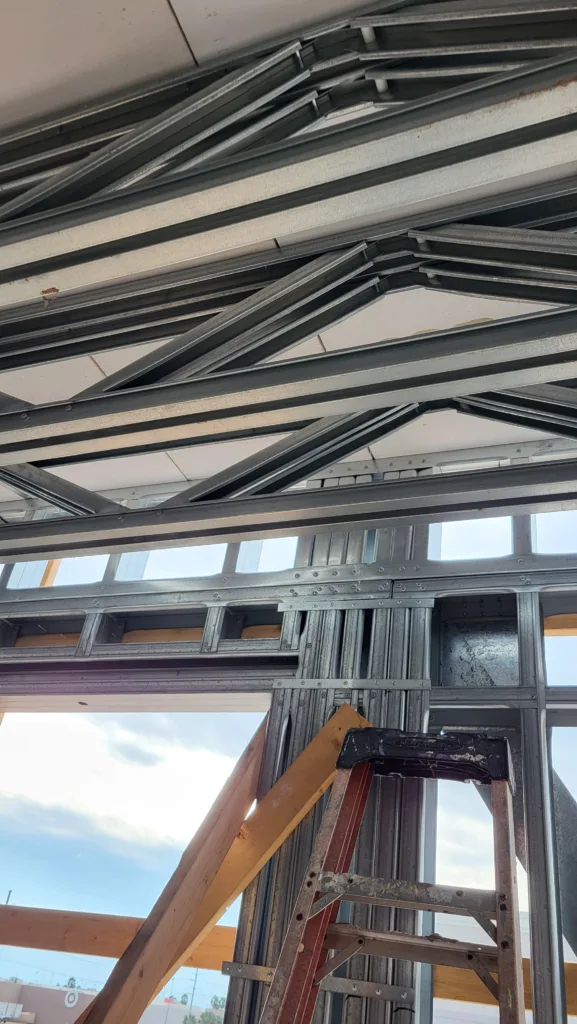
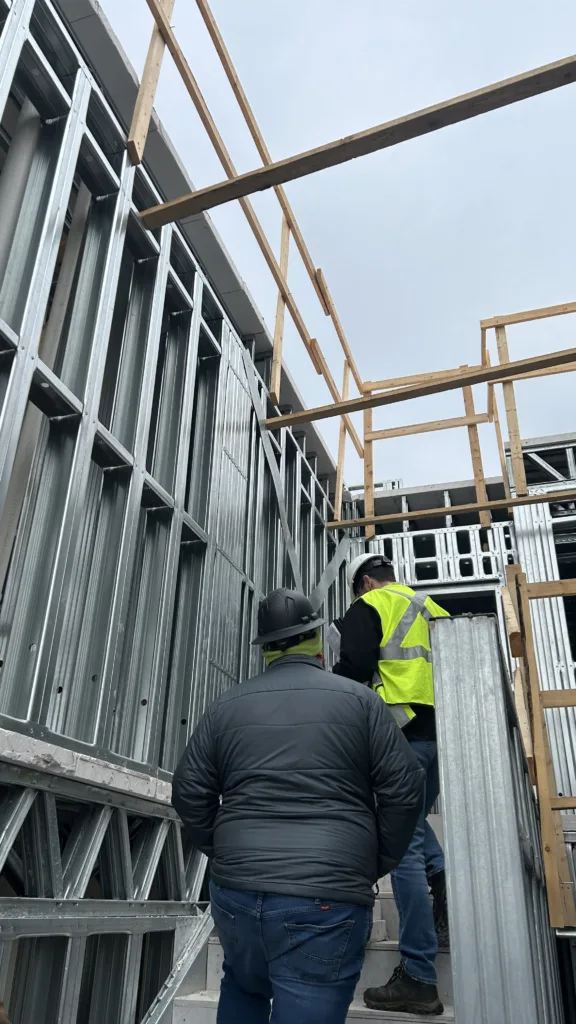
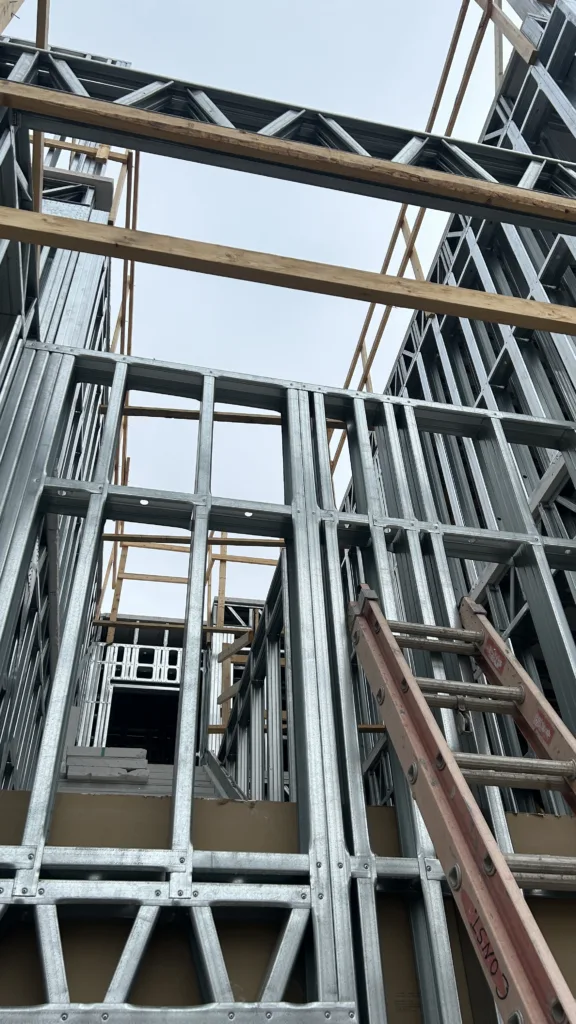
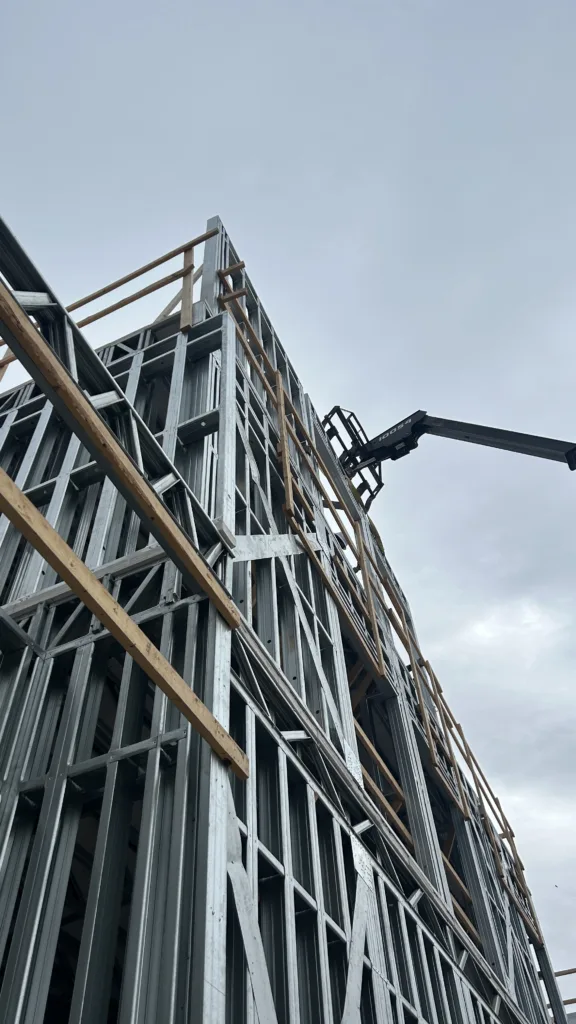
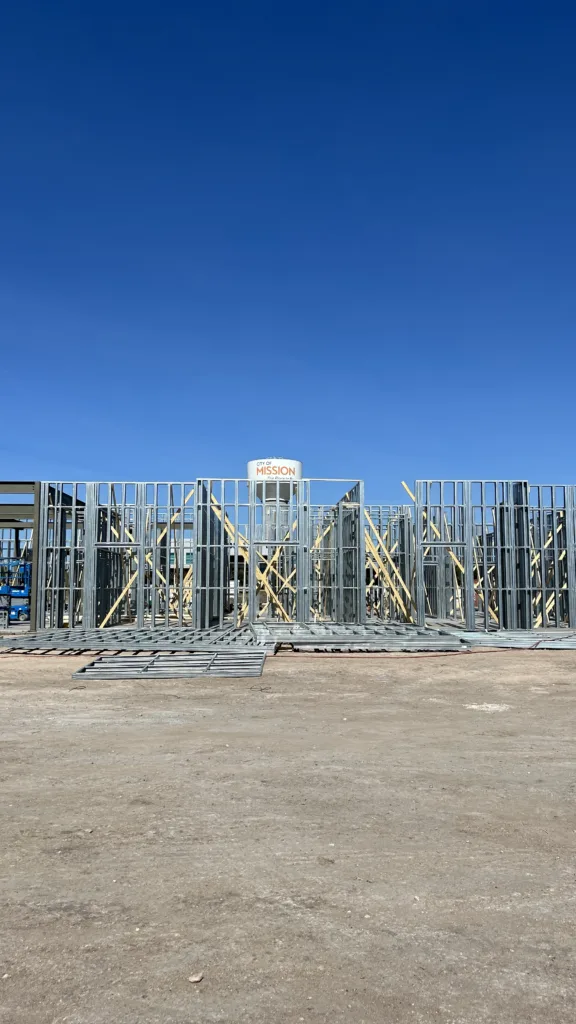
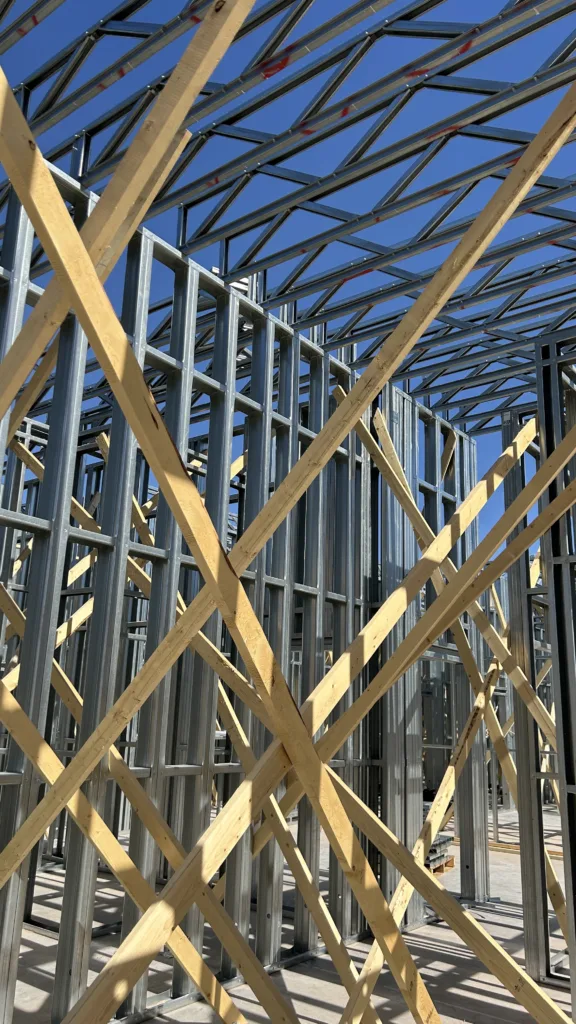
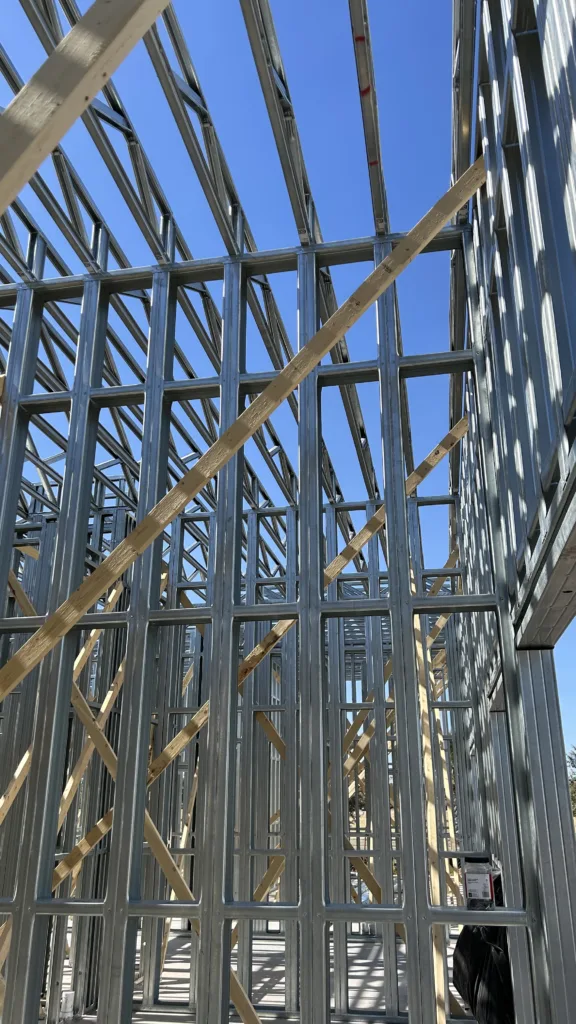
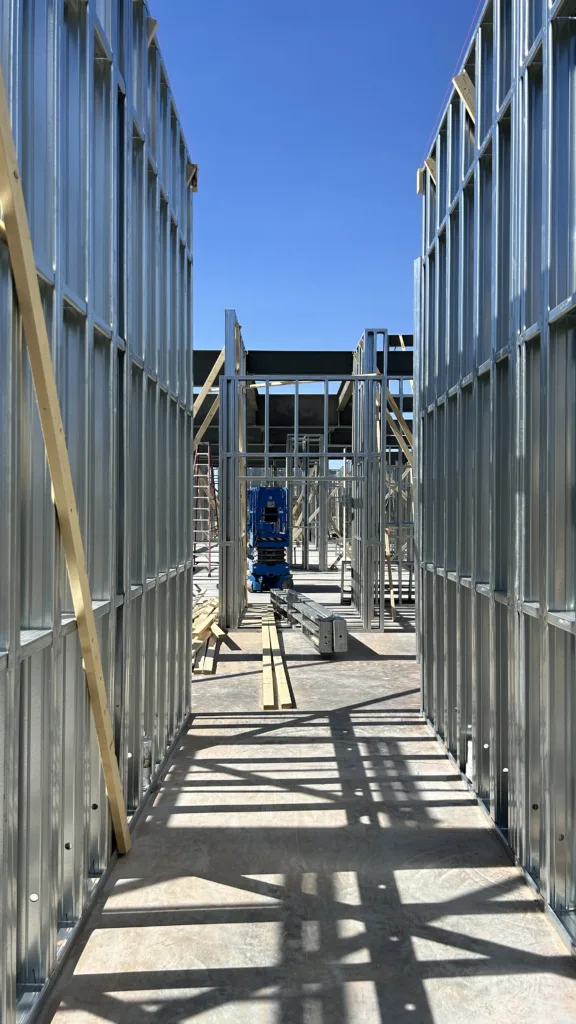
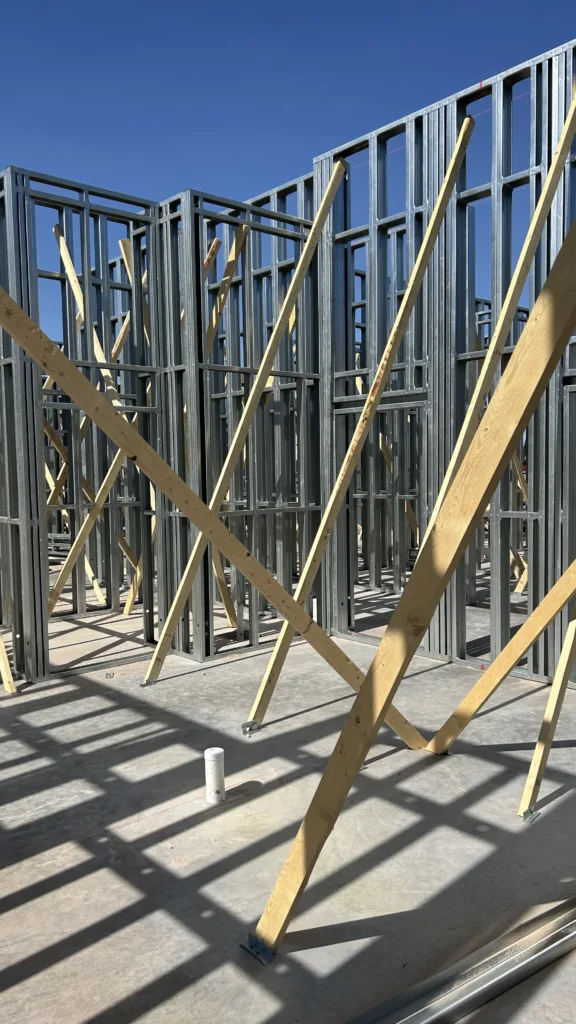
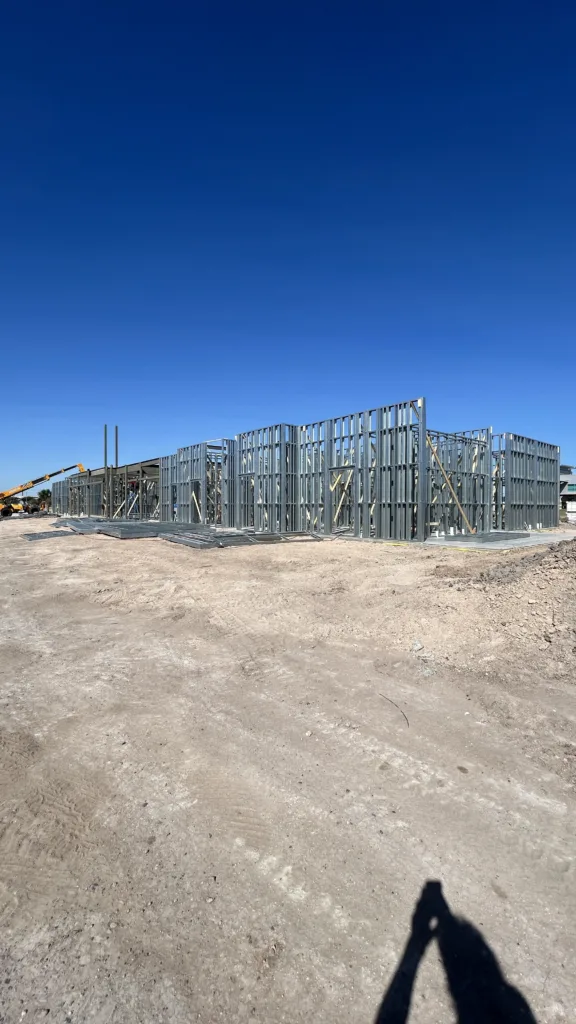
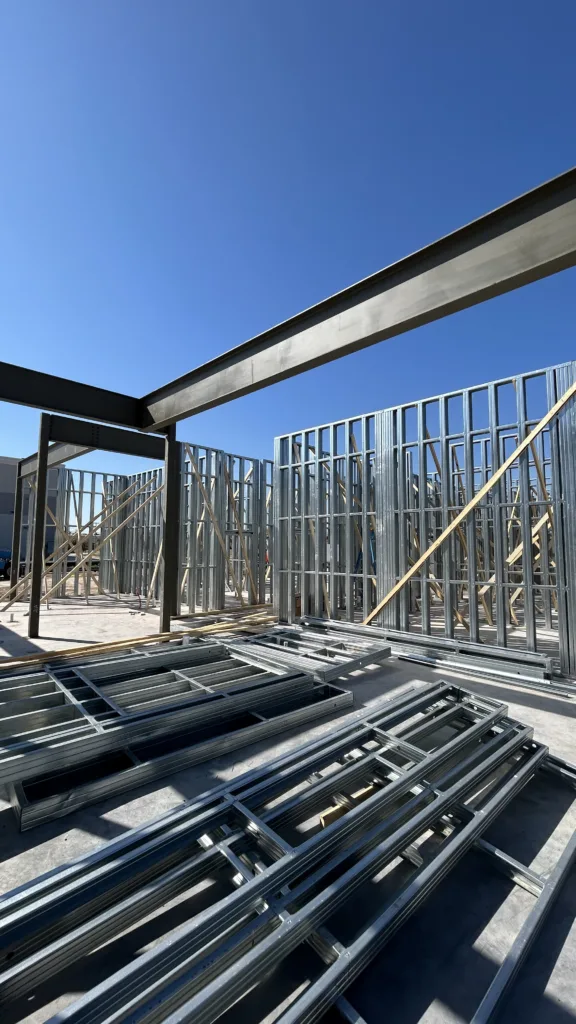
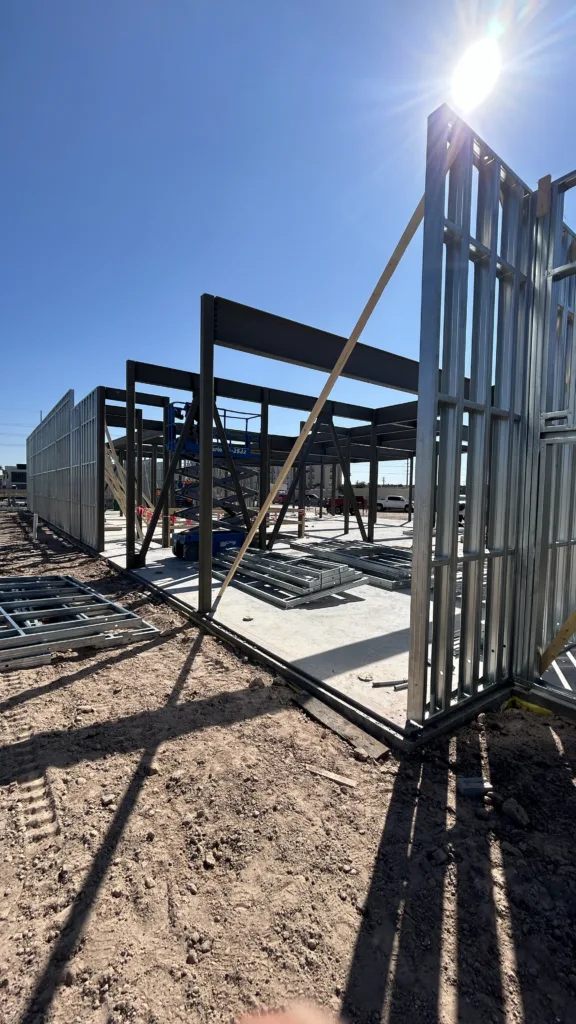
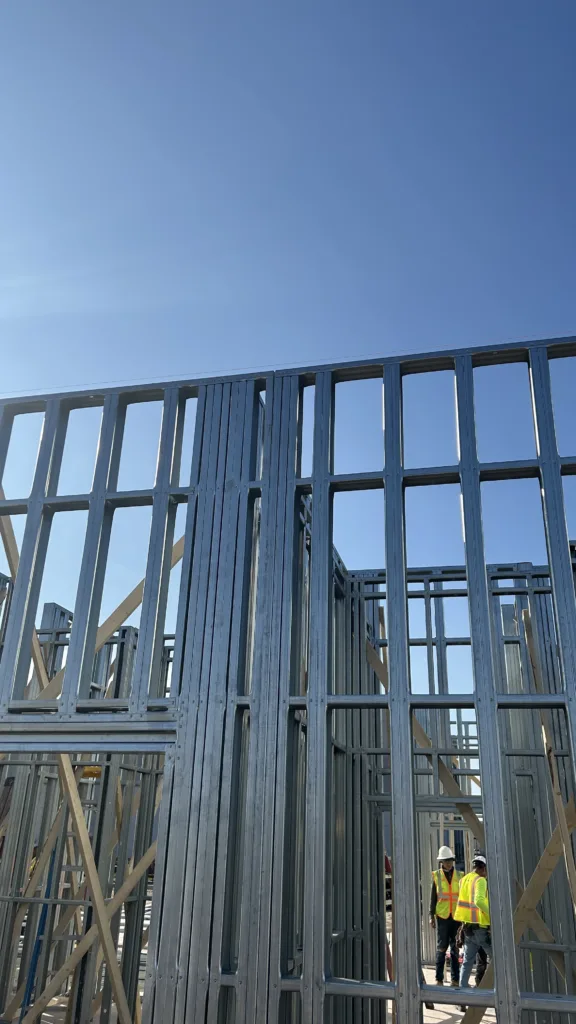
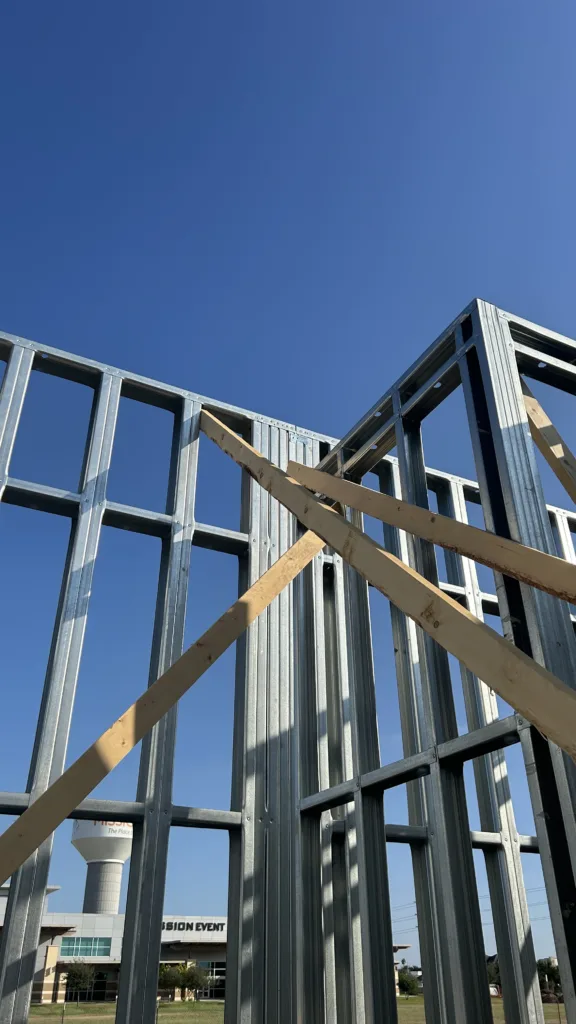
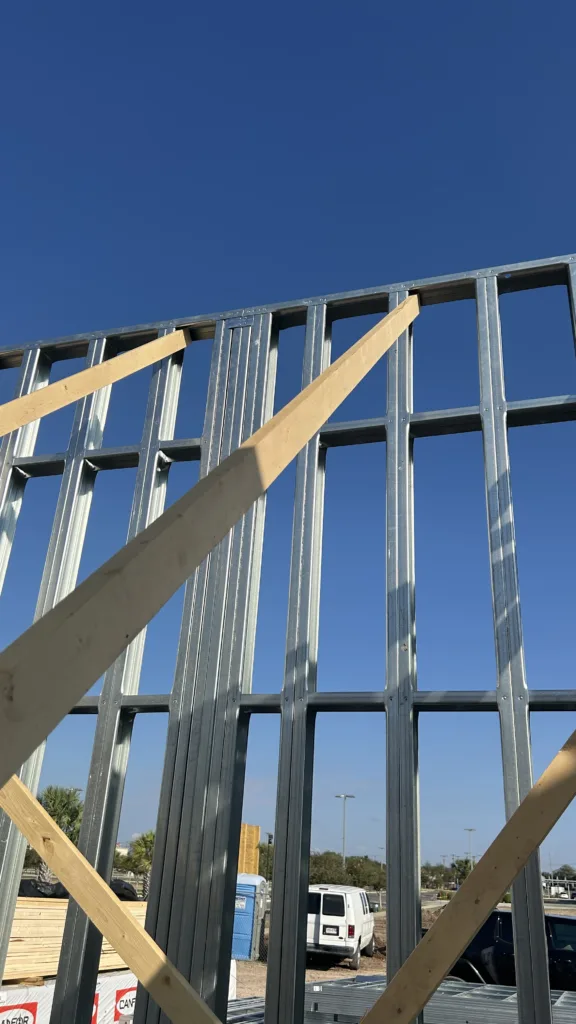
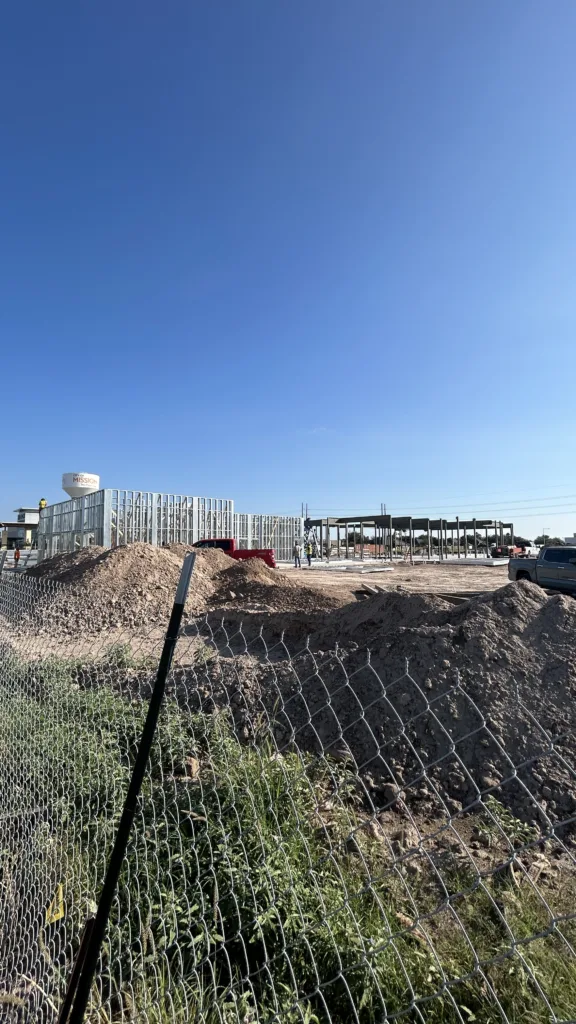
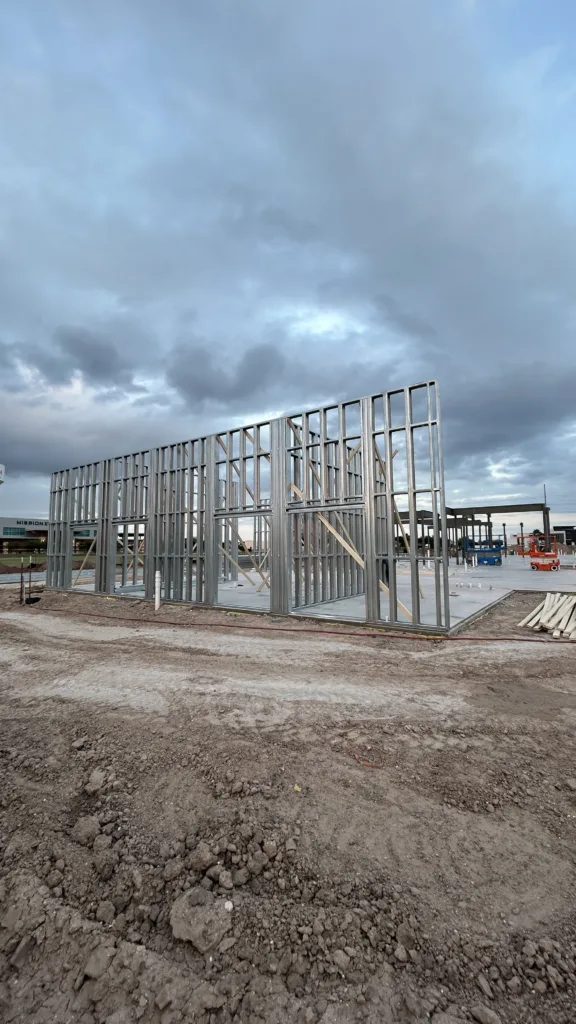
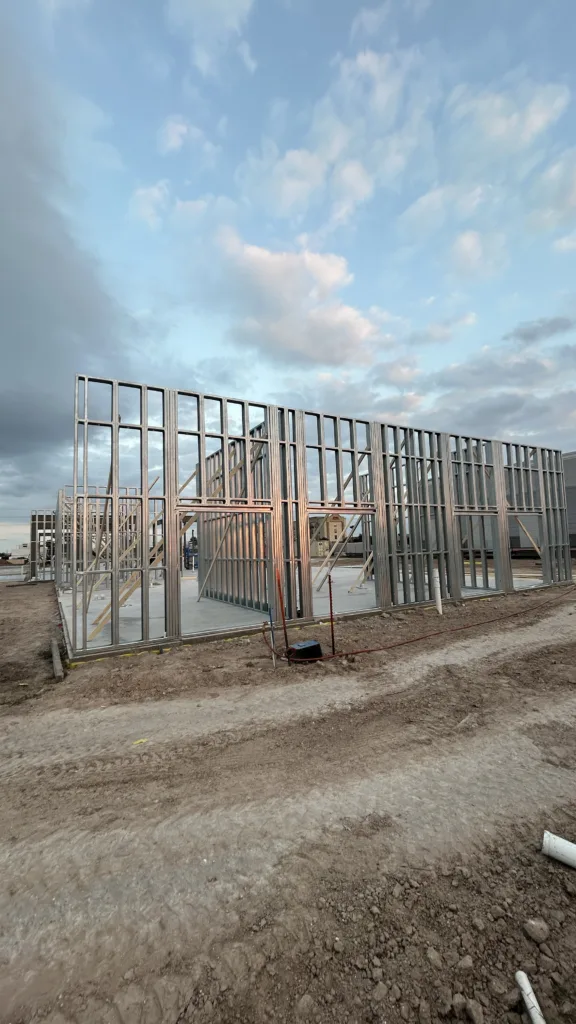
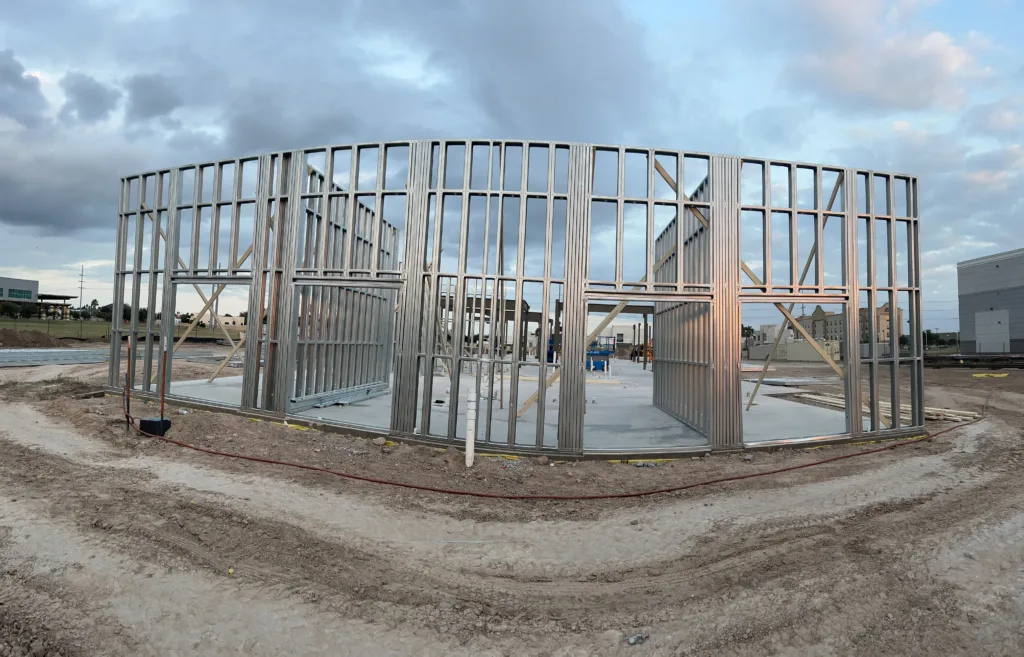
A recent wood framing to CFS framing conversion was the Avid Candlewood Suites in Mission, Texas, a four-story hotel originally designed entirely in wood. Through collaboration between ADTEK Engineers, KSI-CFS, and Scottsdale Construction Systems, the project was redesigned into a complete CFS framing structure.
The project highlights how steel framing can transition an existing wood design into a stronger and more efficient steel structure. Rather than discarding plans and restarting the process, the team leveraged cold-formed steel framing systems and roll forming technology to adapt the original concept into a practical, ready-to-build CFS solution.
For today’s hospitality projects, the ability to pivot quickly while preserving project momentum can deliver major value for project stockholders.
Engineering Solutions for Steel Framing Conversion
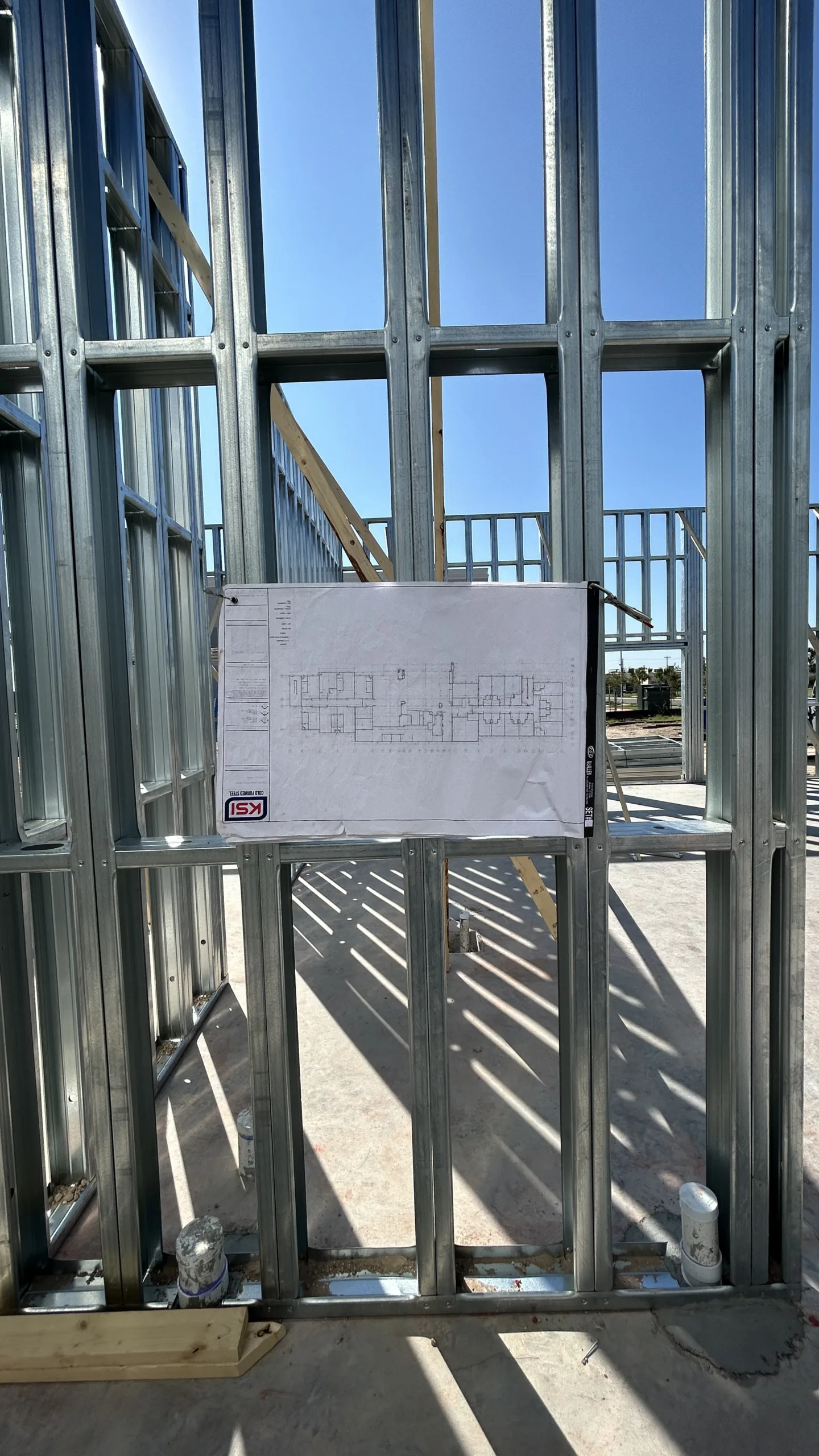
Every framing conversion from wood to steel requires structural review. In this case, ADTEK completed the delegated engineering work while KSI-CFS fabricated the CFS framing systems using Scottsdale’s roll forming technology.
Successful framing conversion from wood to steel starts with engineering, not fabrication. When the Avid Candlewood Suites moved from an all-wood concept to a cold-formed steel structure, the project required a full review of gravity loads, wind loads, diaphragm behavior, and lateral force paths. Based on the design criteria, the building was engineered under the 2018 International Building Code with a 124 MPH ultimate wind speed, Exposure C conditions, and Risk Category II, factors that demanded a robust steel framing solution.
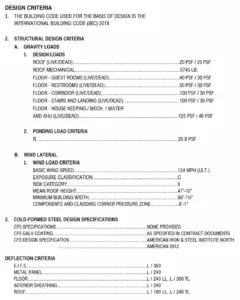
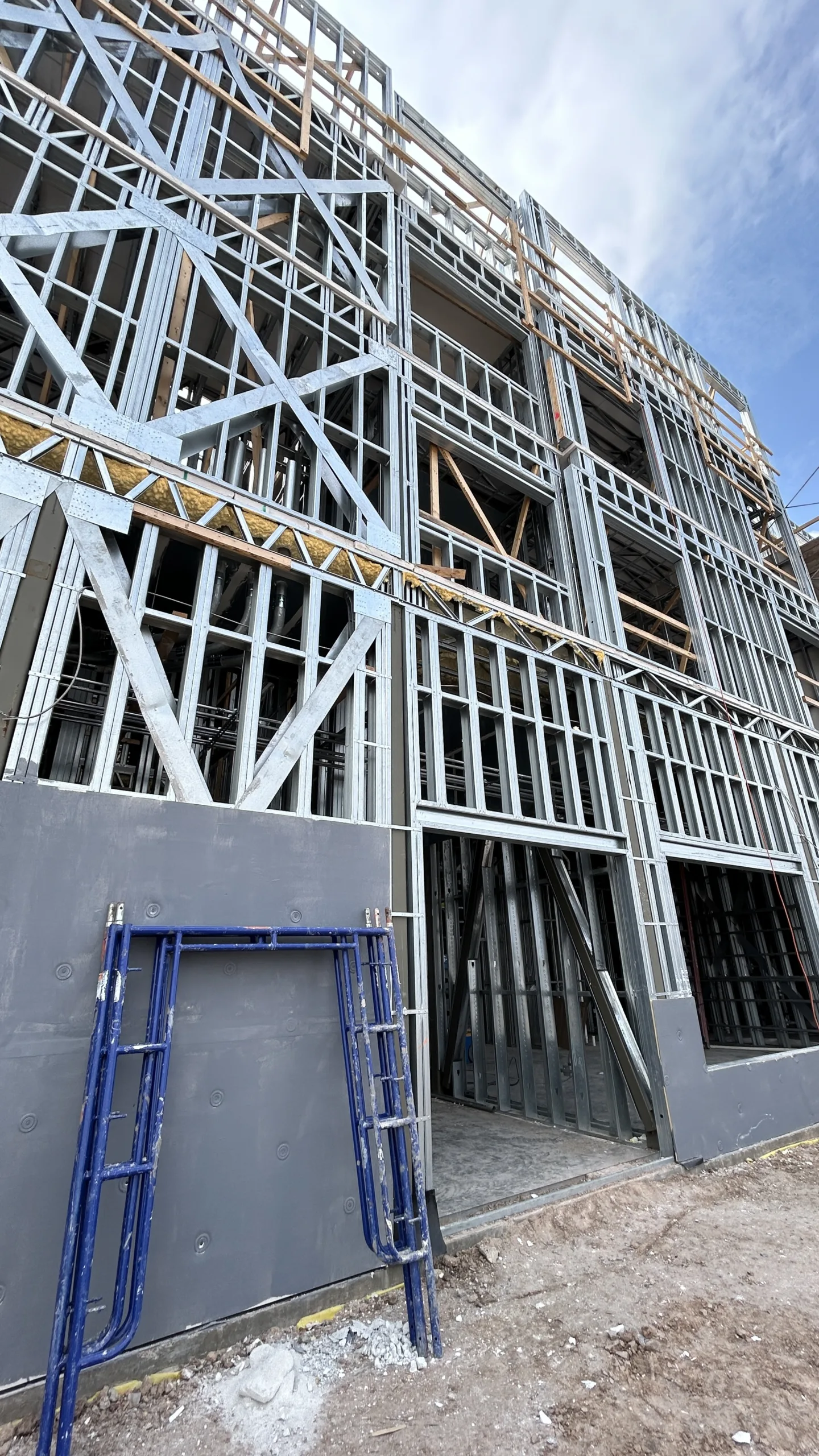
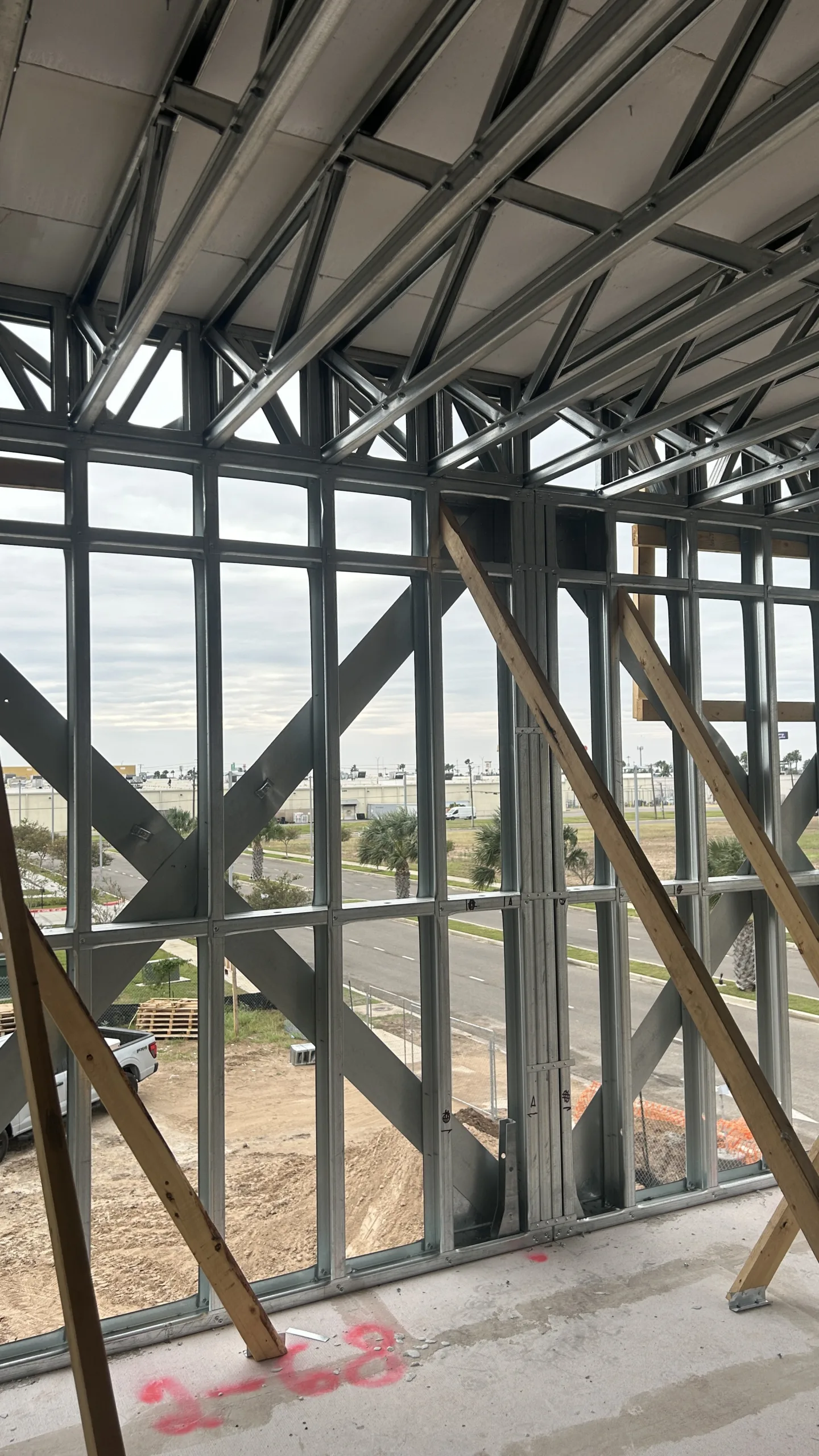
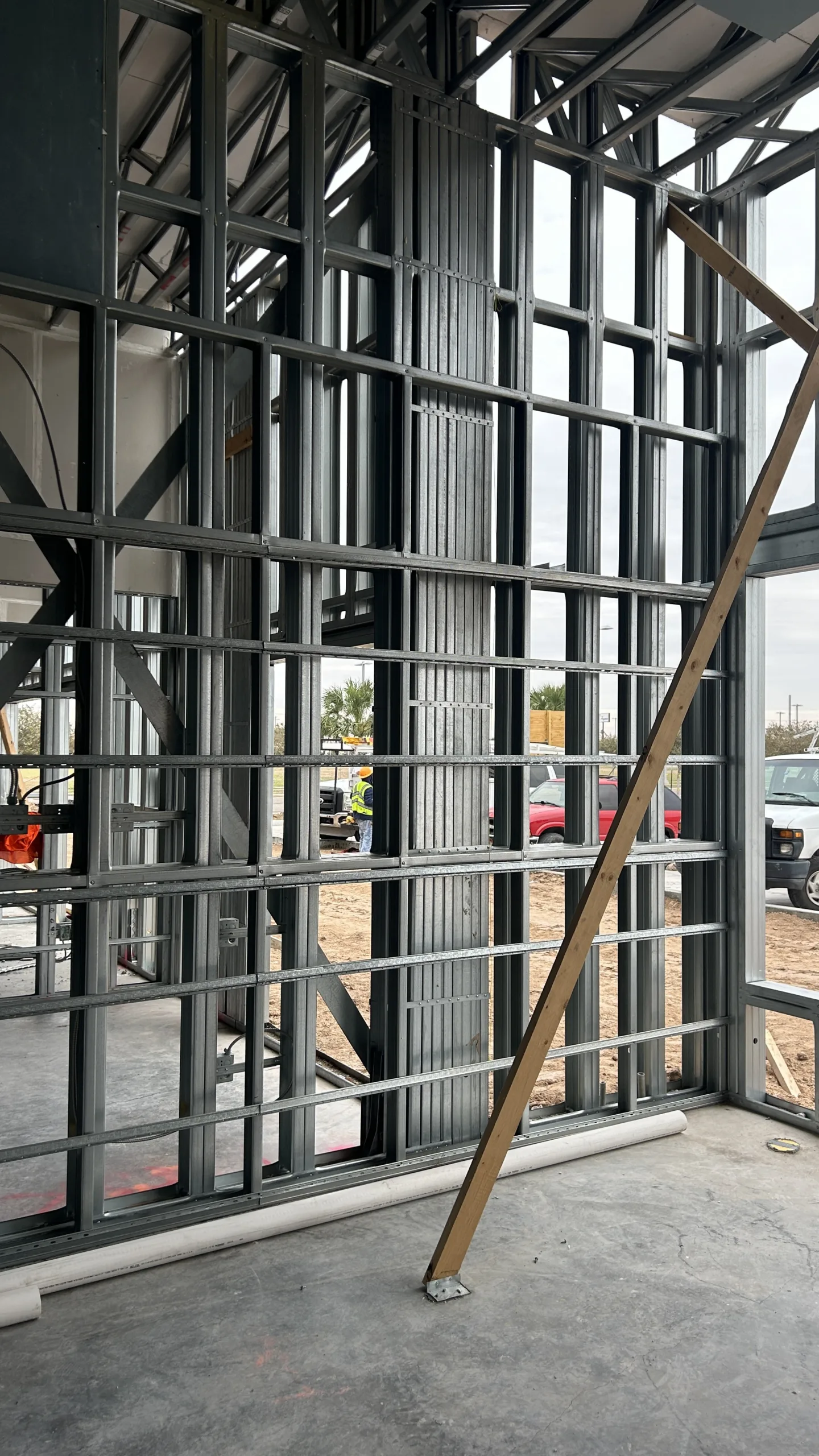
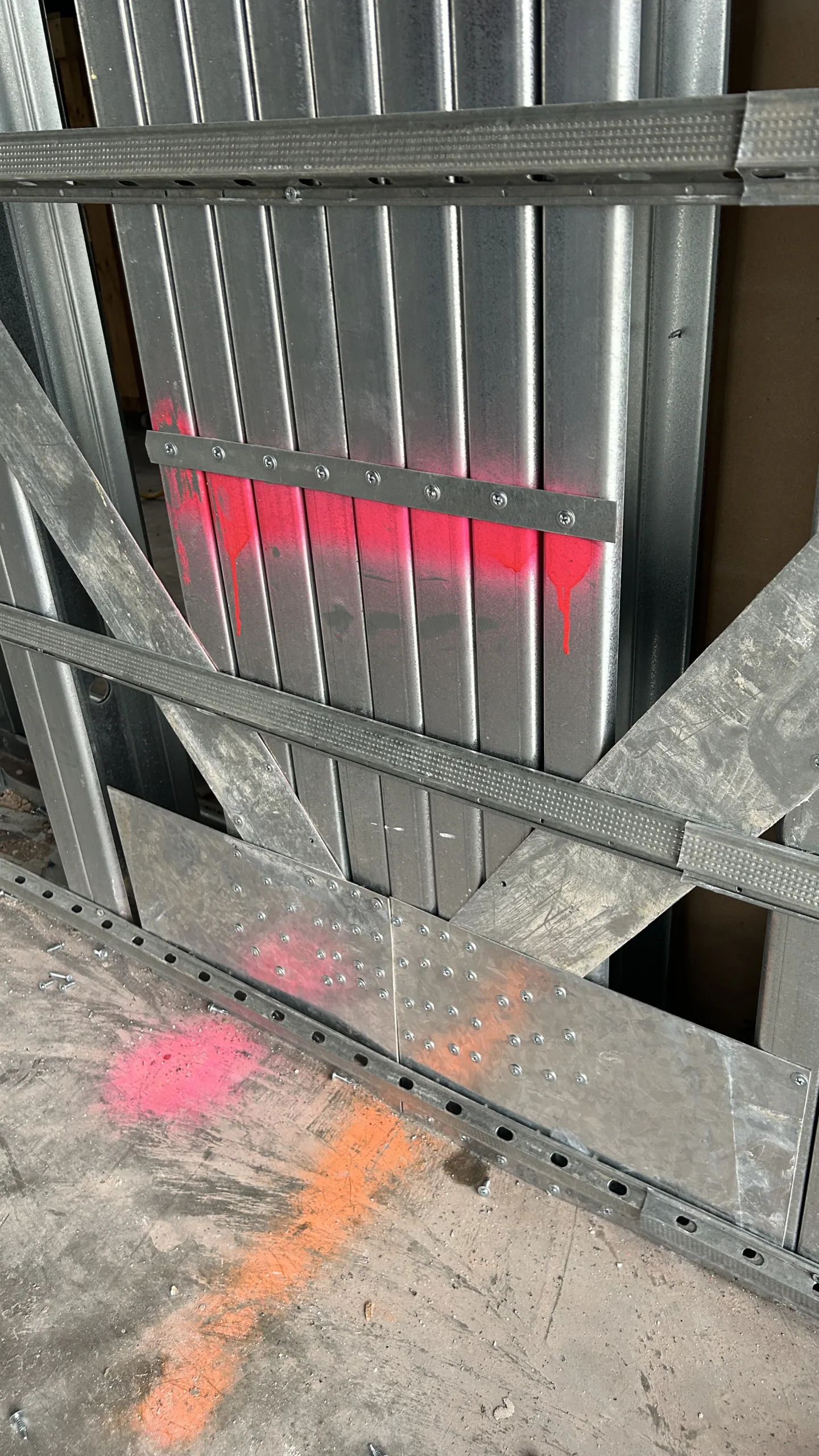
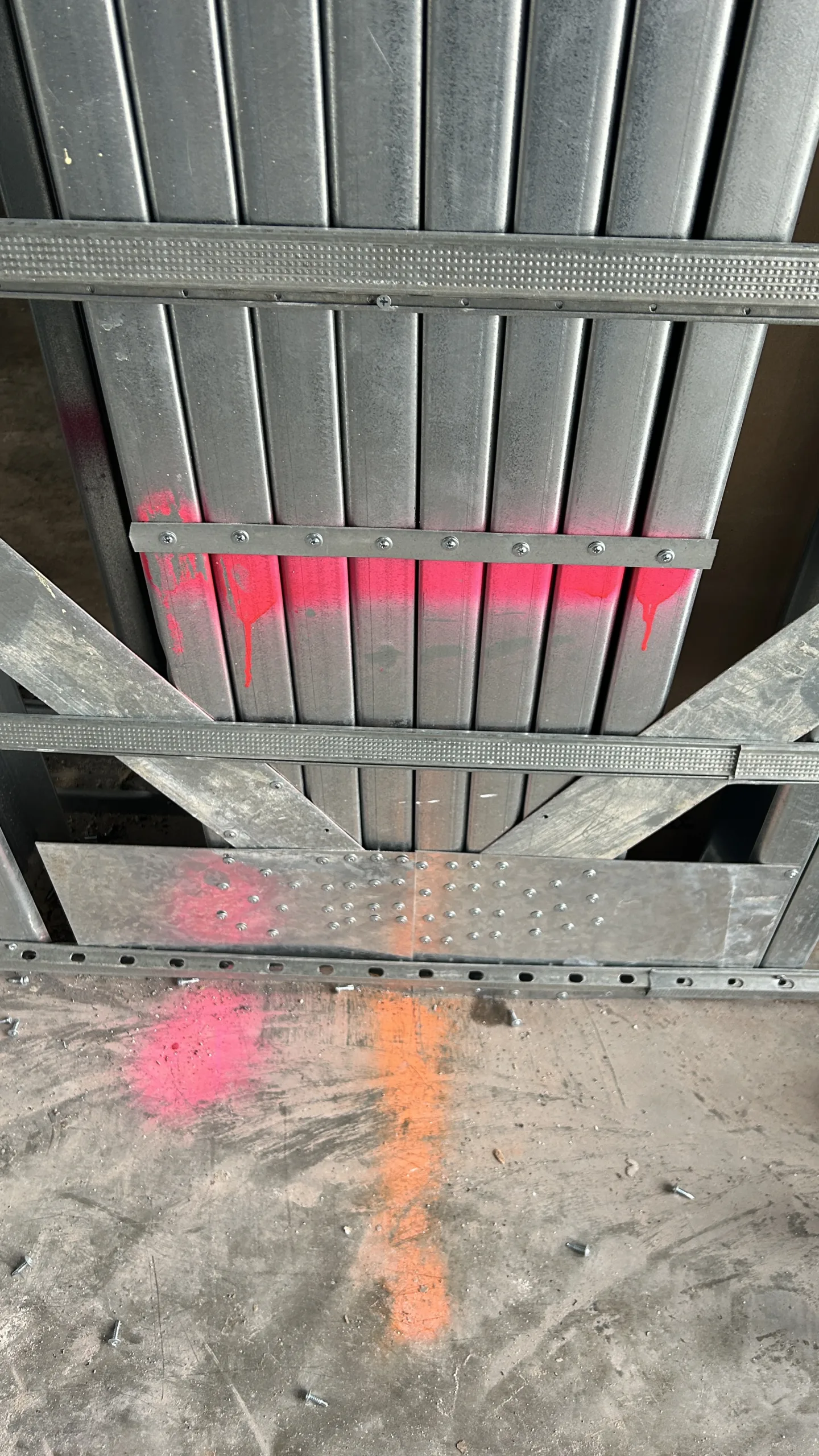
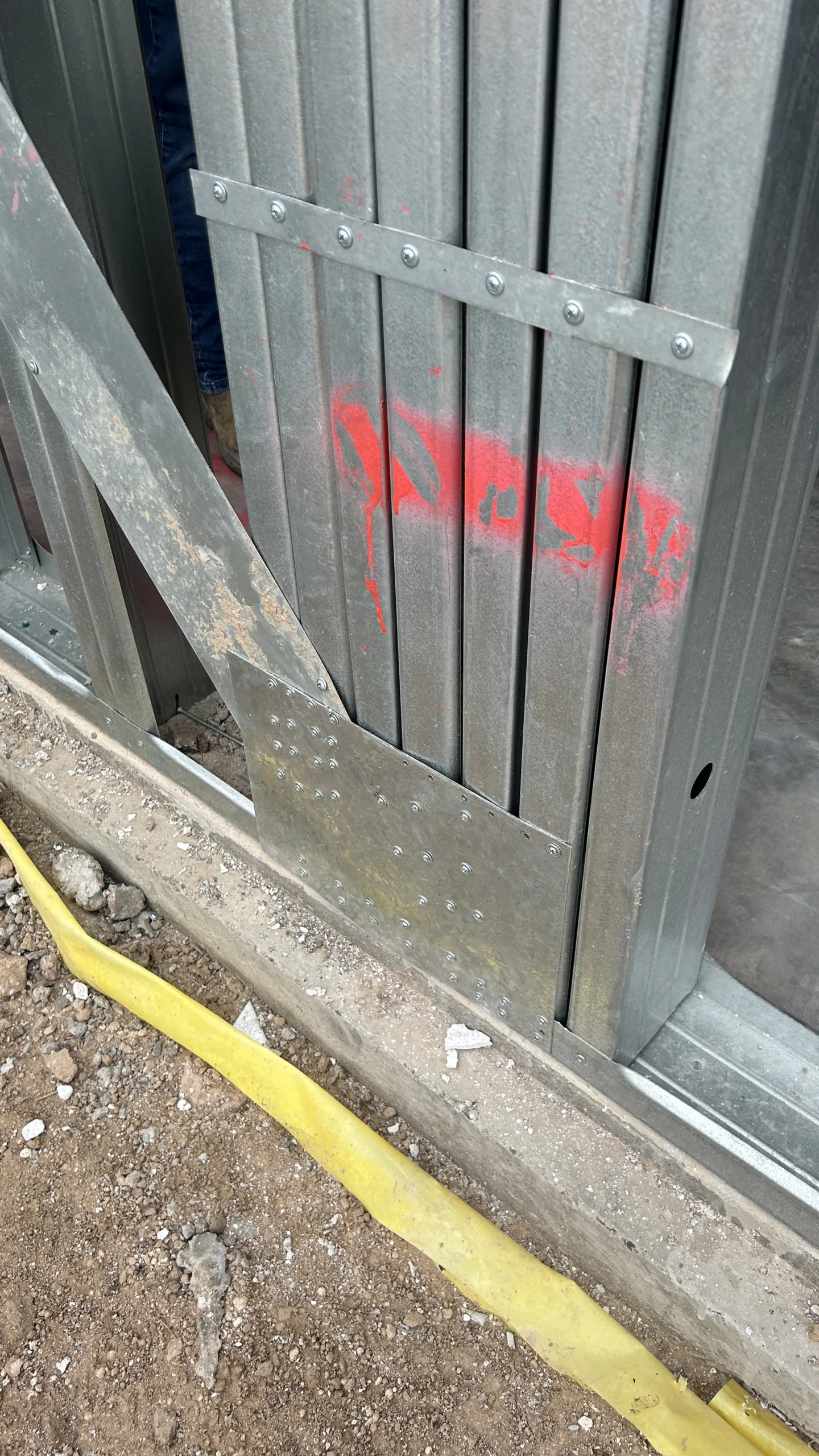
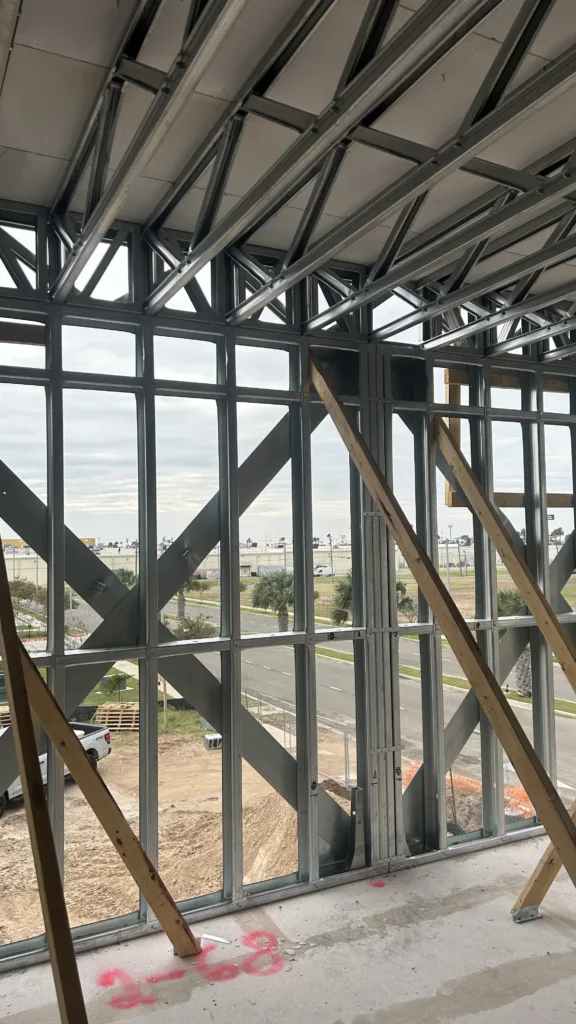
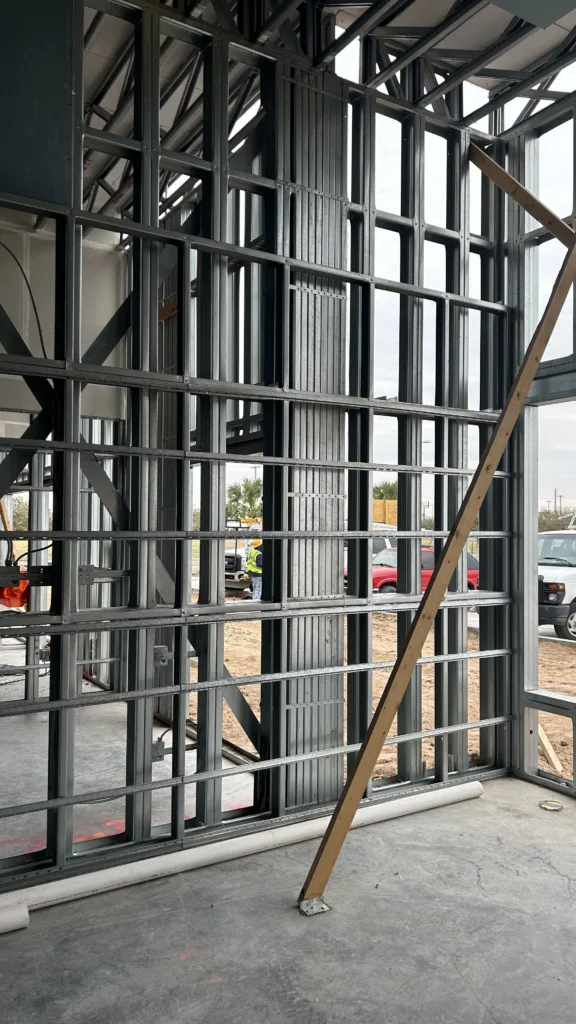
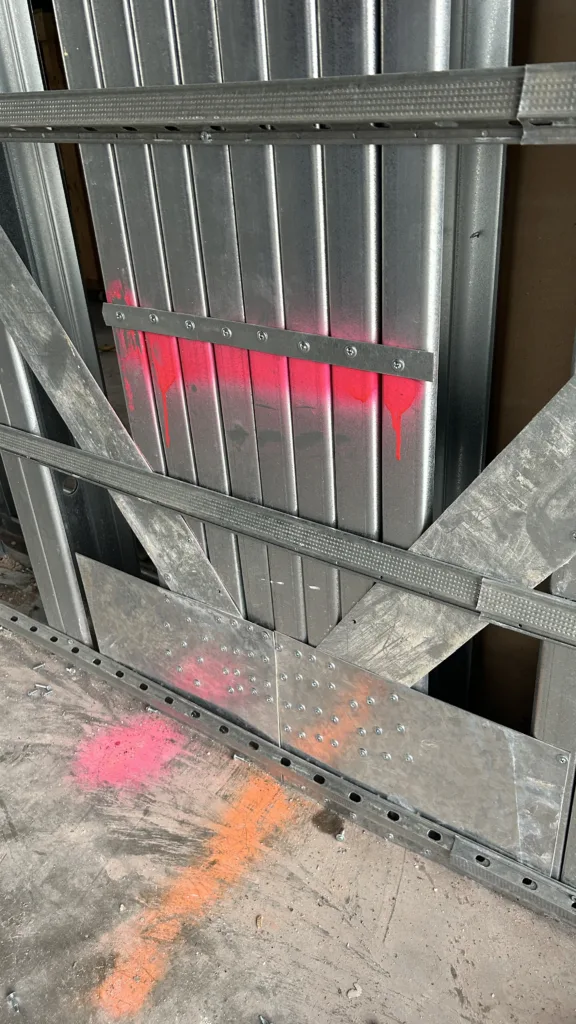
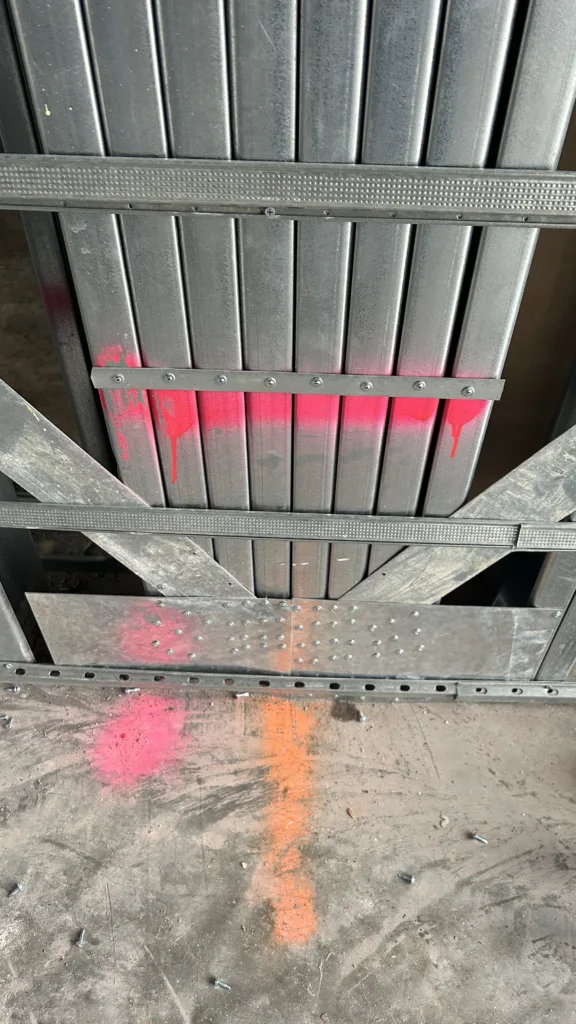
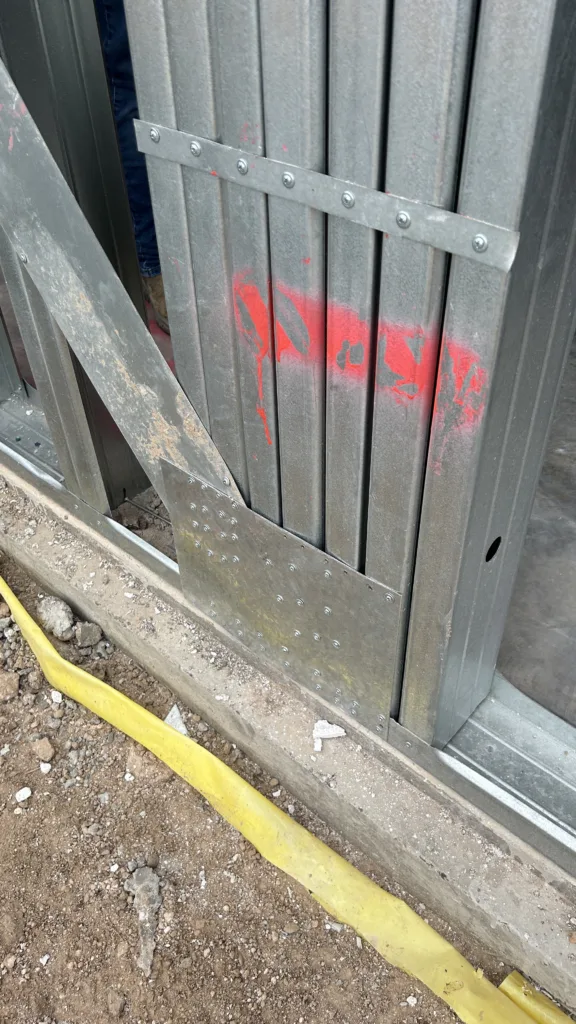
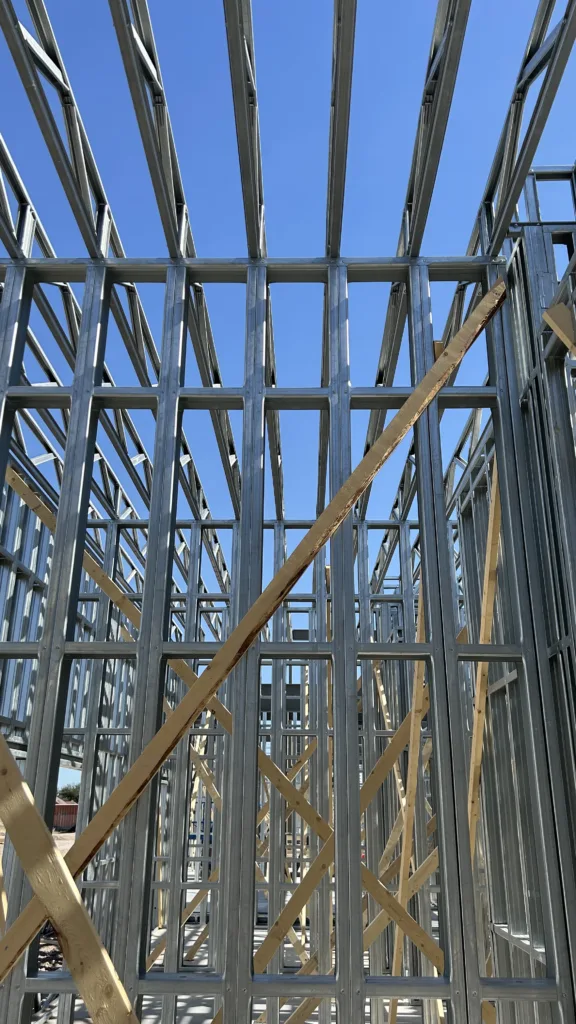
One of the biggest technical hurdles was that complete lateral loading information was not initially provided to the delegated designer. It is the EOR’s responsibility to provide all loading information to the delegated CFS designer as noted in AISI S202. Since wood design often overlooks the full lateral stability, loading for the lateral system was not provided to ADTEK. To keep the project advancing, ADTEK Engineers performed an independent lateral analysis and adopted X-braced cold-formed steel framing walls as the solution. This approach created an efficient load path while allowing the contractor to fabricate strap bracing from coil material in inventory.
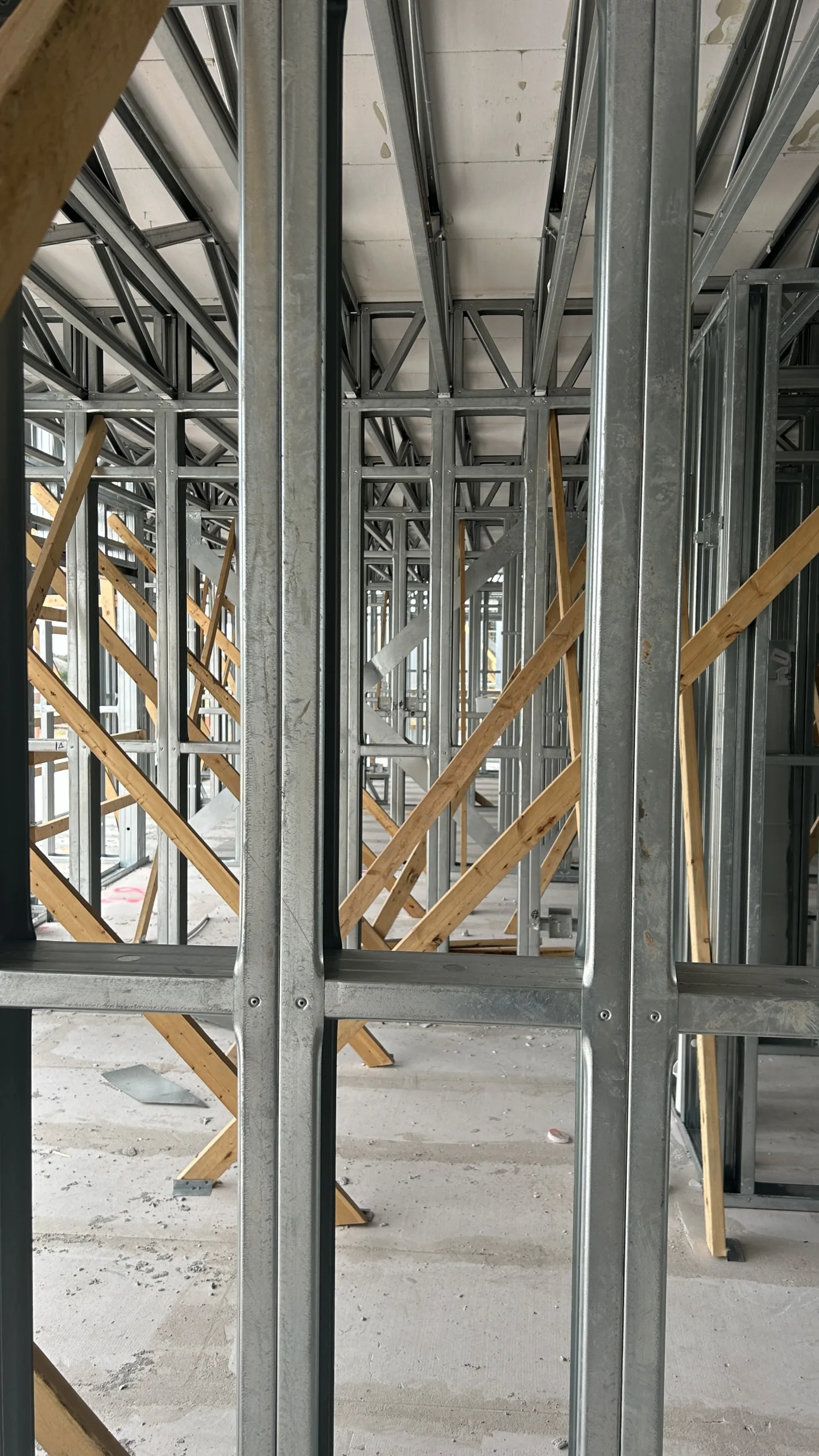
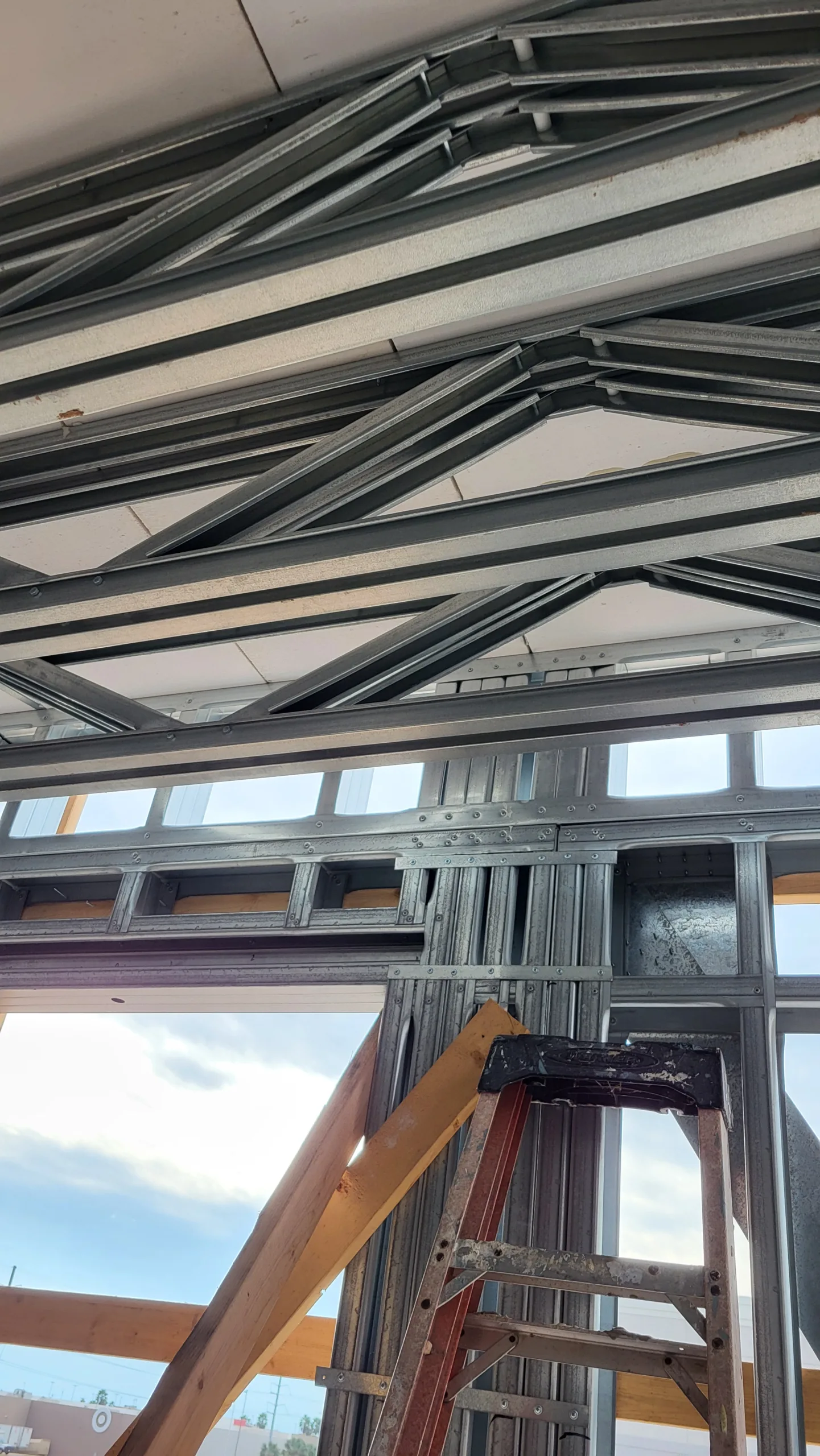
The building also required selective member design based on higher load demands. The wall panels, floor systems, and structural framing were fabricated using Scottsdale’s roll-forming technology. However, in concentrated high-load zones, primarily at the first floor, where gravity and overturning forces were greatest, heavier conventional framing members were engineered to meet required loads. This hybrid engineering approach optimized costs and performance rather than having to overdesign the entire structure.
FORCES BASED ON DESIGN CRITERIA
OVERALL WIND N-S = 320 KIP
OVERALL WIND E-W = 91 KIP
SEISMIC
PARAPET / ROOF @ 57′ = 0.13 KIP
PARAPET / ROOF @ 52′-2″ = 0.8 KIP
ROOF LEVEL = 5.63 KIP
LEVEL 04 = 6.83 KIP
LEVEL 03 = 6.83 KIP
LEVEL 02 = 8.2 KIP
TOTAL SEISMIC BASE SHEAR = 30.5
Deflection and serviceability were equally important in this four-story hospitality project. Guest comfort, finish protection, and corridor performance all rely on controlling floor vibration, wall movement, and vertical deflection. Cold-formed steel framing systems allowed members, trusses, and wall assemblies to be engineered to target these criteria while maintaining dimensional consistency throughout fabrication.
The Powerful Software Package Behind the Wood to CFS Framing Conversion
Scottsdale’s software package played an important role in making this wood framing to CFS framing conversion as smooth as possible. Converting a four-story hotel from wood to steel required close coordination between engineering, manufacturing, and field installation, and Scottsdale’s digital workflow helped connect each phase. ScotSteel added value as a 3D design platform for drafting, framing layouts, quantity takeoffs, and translating project plans into production-ready steel framing data. ScotStruct further strengthened the process by performing structural analysis and design, with modules for walls, bracing, floors, lintels, and other key structural elements. Working together, these tools helped streamline redesign decisions, improve accuracy, and move engineered data efficiently toward fabrication. For a complex conversion, having software that supports both design intent and fabrication accuracy added major value to the success of the build.
This project shows that the wood framing to CFS framing conversion is not just swapping one material for another. It requires load analysis, member optimization, connection planning, and fabrication coordination. With experienced engineering teams and Scottsdale’s roll forming ecosystem, complex conversions can be executed efficiently and confidently.
Read more: Powerful Compatible Steel Framing Software in the Scottsdale Ecosystem.
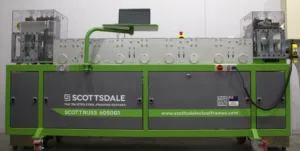
Roll Forming Steel Framing of Hospitality Projects
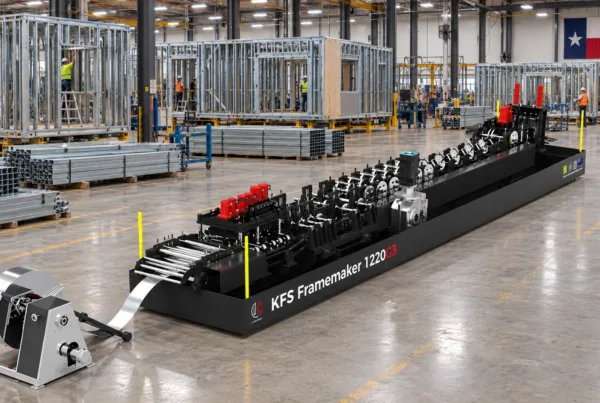
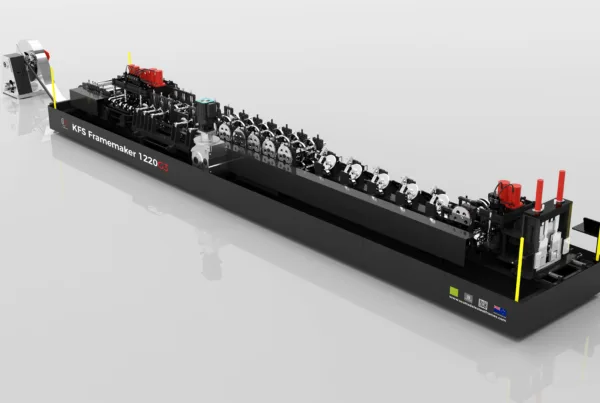
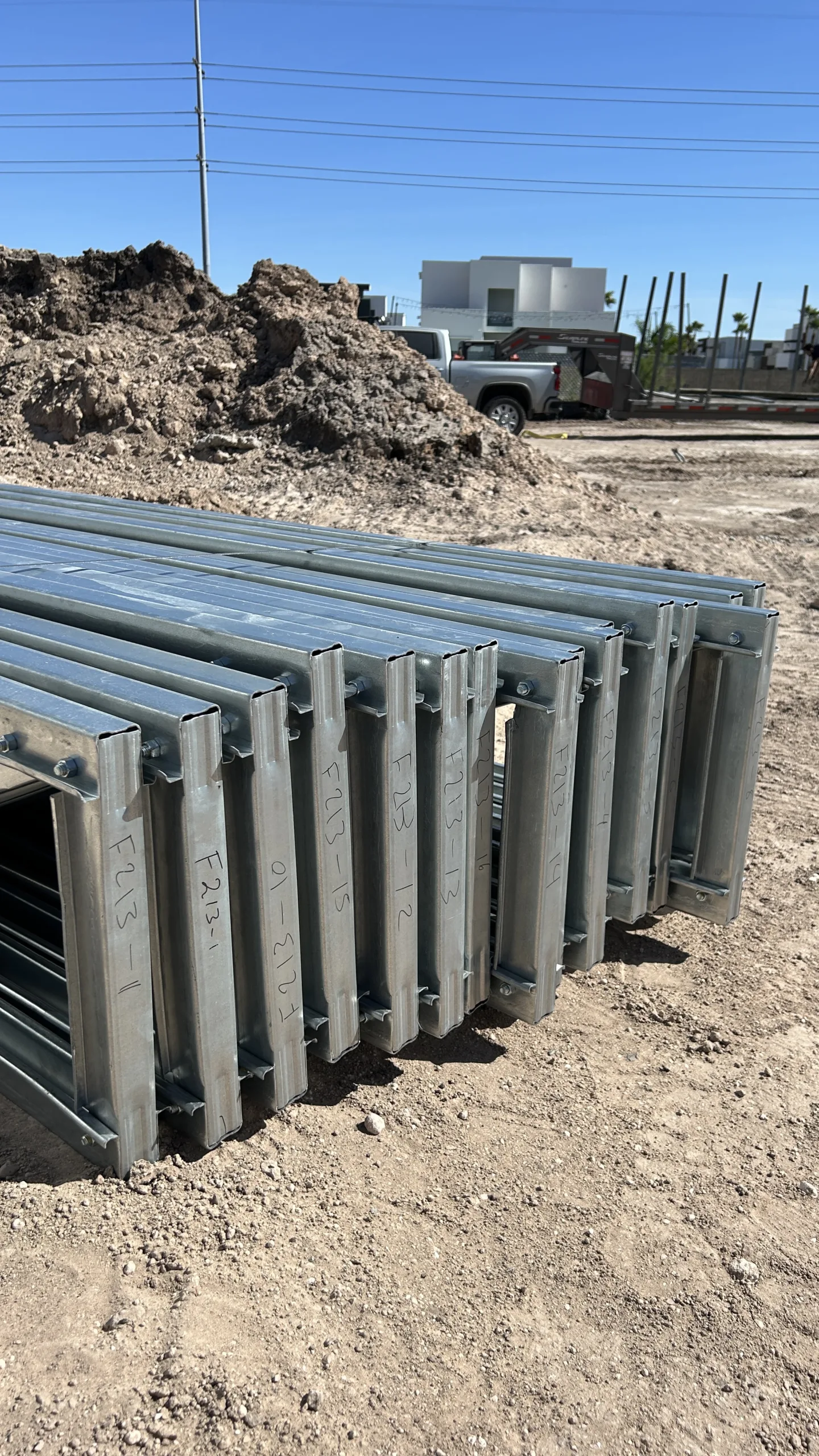
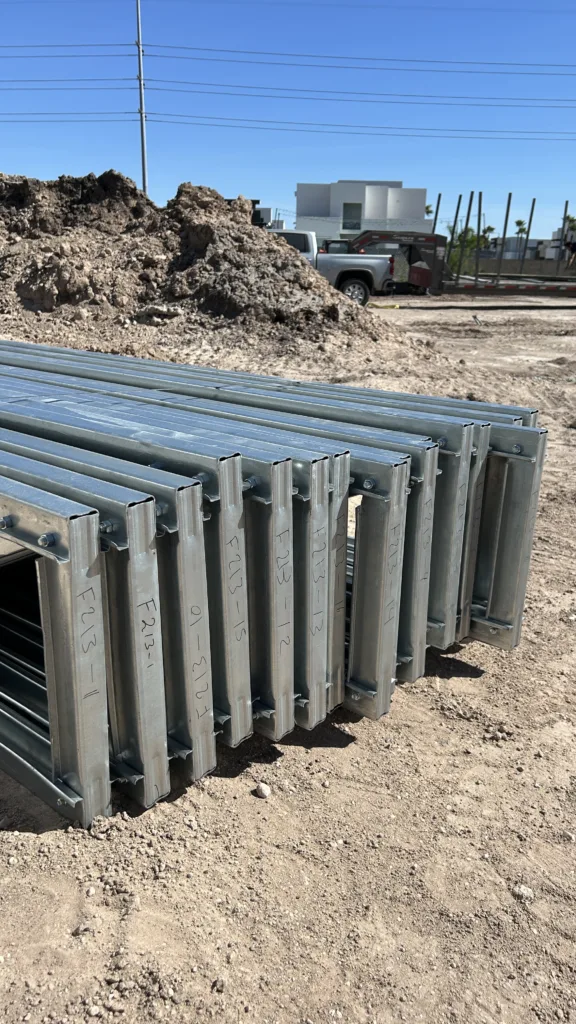
KSI-CFS fabricated the project using Scottsdale’s roll forming machines. KSI-CFS currently operates four of our roll forming machines, including: KFS Framemaker 1420, Scottruss 6050, Scotpanel 5140, and Scotpanel 7090. This machine lineup gave the team flexibility to manufacture CFS walls, floors, trusses, and panelized assemblies.
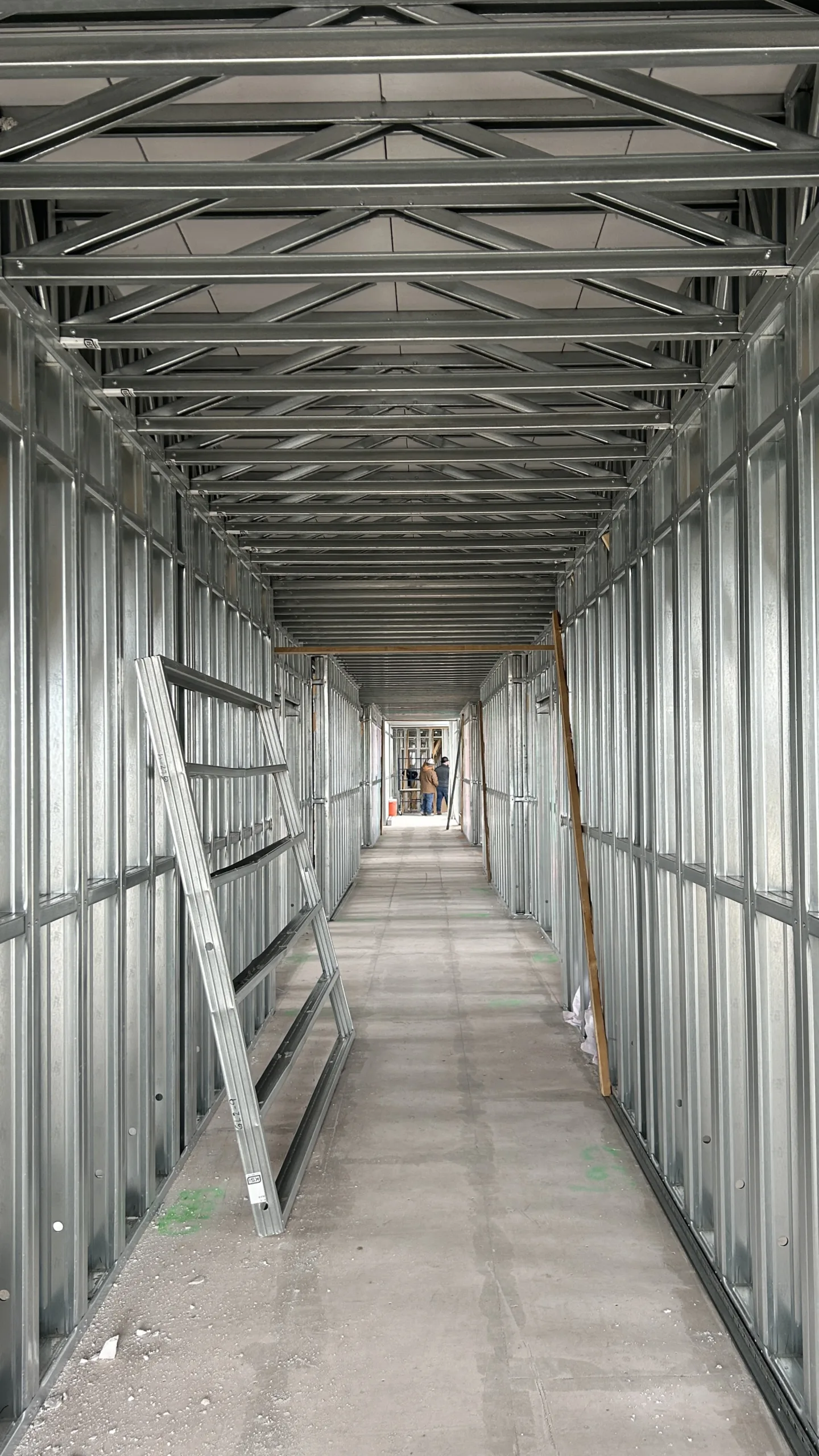
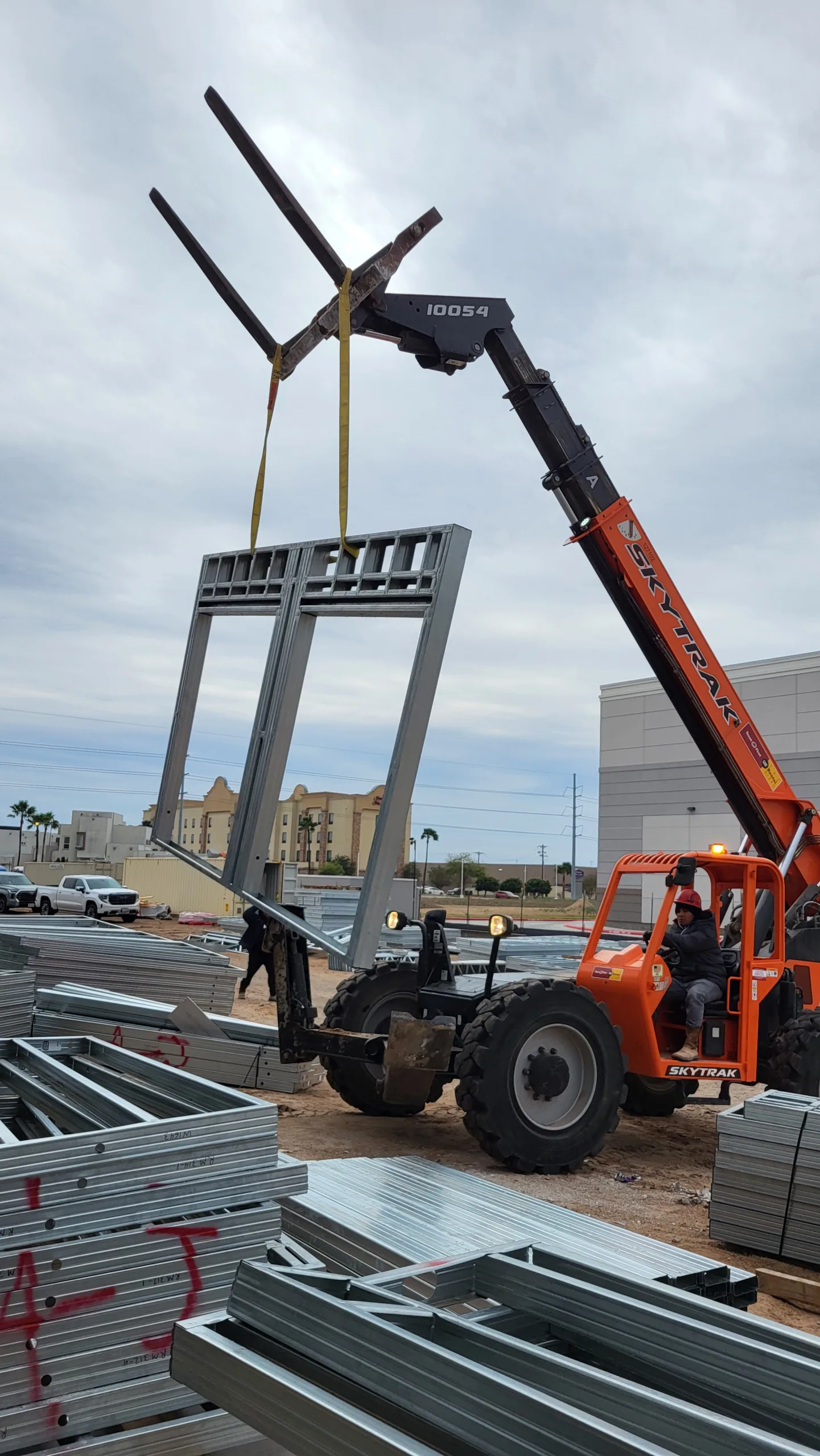
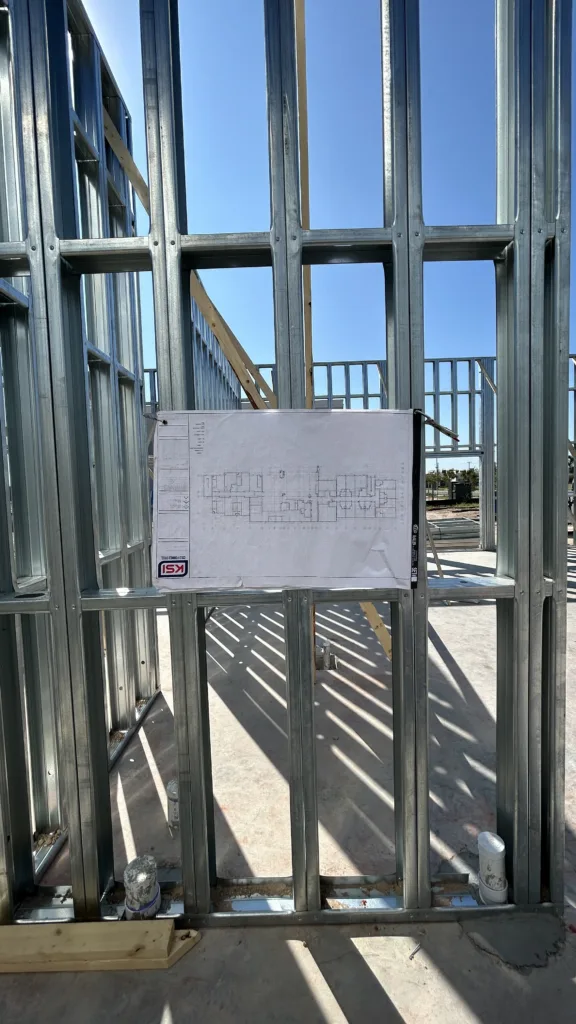
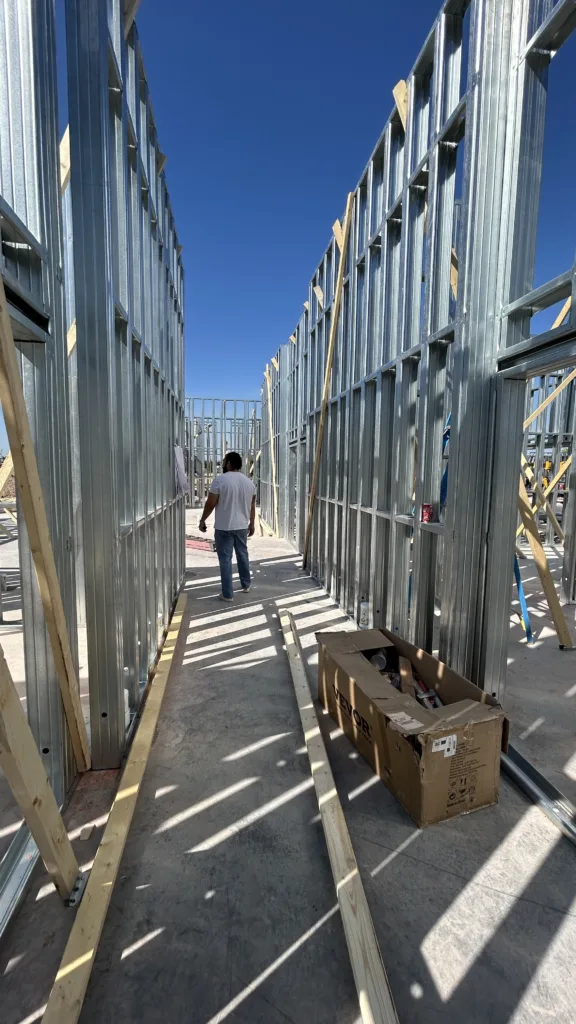
For hospitality projects, offsite manufacturing can be a major advantage. Exterior walls, interior walls, and floor trusses were fabricated ahead of time and shipped to the jobsite. This reduced field labor and helped streamline installation. This is one reason wood framing to CFS framing conversion continues to gain interest. Once a redesign is complete, roll forming allows rapid production of complex systems, helping projects recover time.
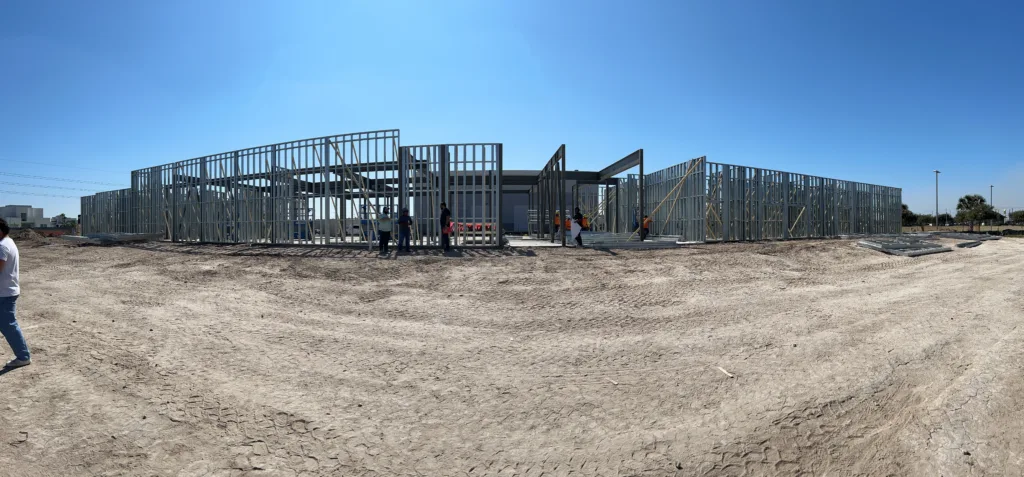
Why More Hospitality Projects Should Convert to CFS
The Avid Candlewood Suites in Mission, Texas, shows how wood framing to CFS framing conversion can solve challenges while creating a more efficient structure. Better coordination, cleaner fabrication, and faster installation all support stronger project outcomes.
As more developers seek resilient buildings, CFS framing will continue growing in hotels, apartments, and mixed-use work. Combined with advanced engineering tools and end-to-end roll forming technology, today’s steel framing solutions make framing conversion from wood to steel a practical strategy rather than a difficult exception. For future hospitality projects, the lesson is clear: when wood plans face cost, schedule, or structural pressure, converting to cold-formed steel framing systems may be the smartest move.
Additional Scottsdale Roll Forming Solutions and Resources
- Blog – How to Design Inexpensive Cold-Formed Steel Commercial Buildings the Right Way
- Blog – Comparing Steel vs Wood Framing: Why Steel is Better
- Blog – Expert Guide to the Rise of LGS Panelization in the U.S.
- Blog – Overcome Unique Design Challenges in Mid-Rise Construction with Roll Forming
- Blog – Overcome Complex CFS Truss Design with New Steel Framing Technology
- Blog – Fundamentals of Floor Vibration in Cold-Formed Steel Joist-Framed Floors
- Financial Services
To learn more about Scottsdale’s roll forming solutions and steel framing ecosystem, visit us at www.scottsdalesteelframes.com, call us at +1 (888) 406-2080, or email us at rollformers@scottsdalesteelframes.info.