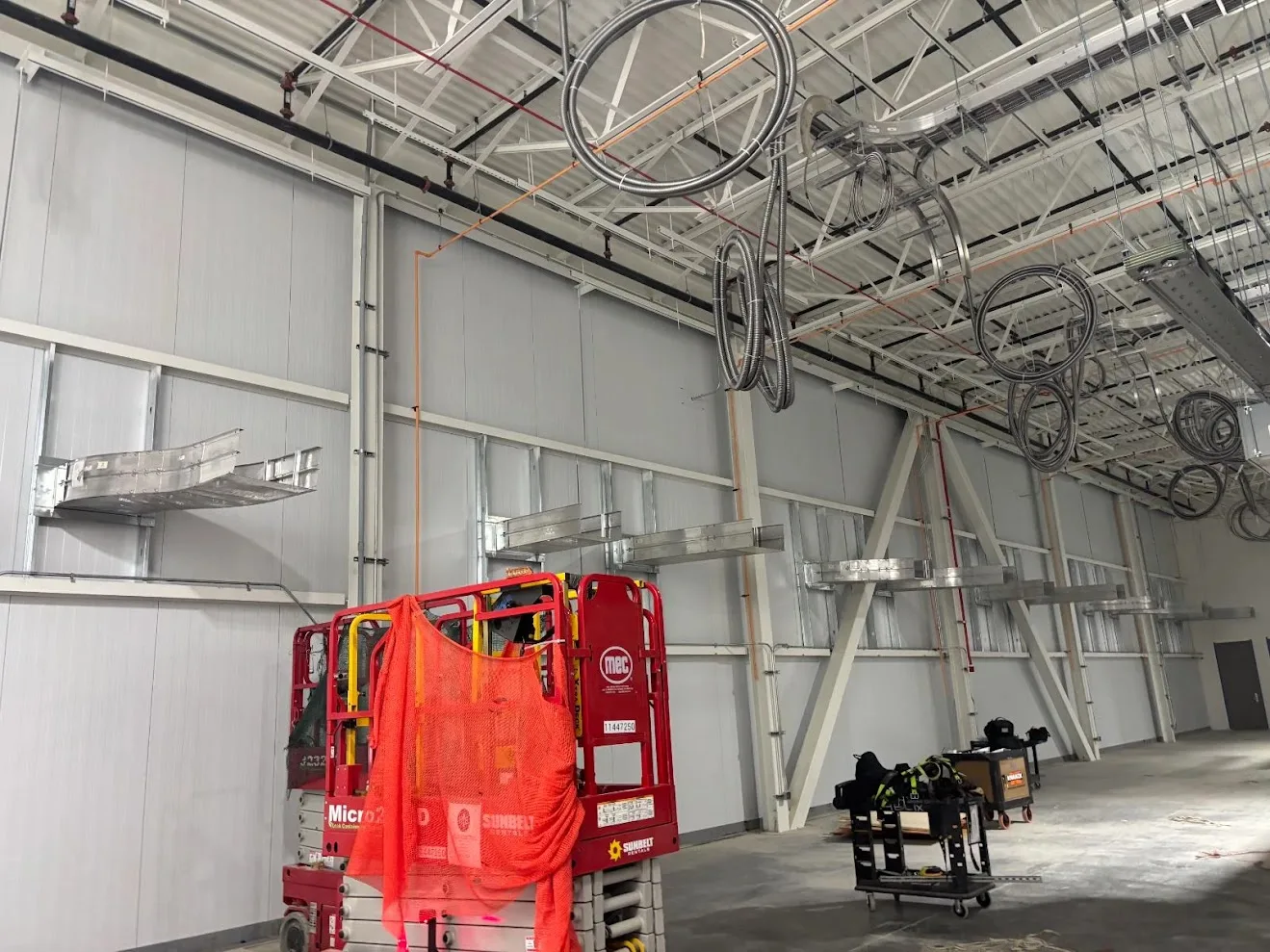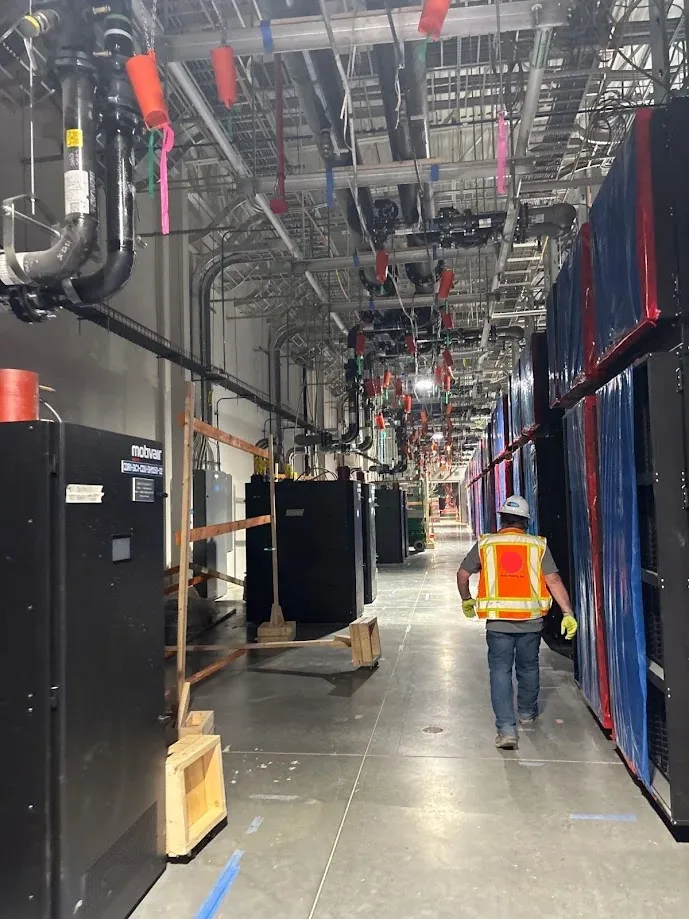
This article examines the critical cold-formed steel framing decisions shaping modern data center construction, including panelized systems, panelizer coordination, fire-rated assemblies, tall wall applications, precision steel framing, and the advanced roll forming technology needed to deliver these projects. Drawing from active data center projects under construction by our customer, US Frame Factory, the article highlights how early planning, BIM-driven coordination, and integrated roll forming systems help improve schedule predictability, reduce jobsite waste, minimize MEP clashes, and support large-scale data center delivery. The piece also explores how steel framing and panelized construction contribute to quality control, sustainability goals, and faster project execution in today’s rapidly expanding data centers.
This is the first article in a two-part series examining design characteristics shaping modern data center construction. The second article will focus on what disciplined execution looks like once planning decisions are finalized.
Understanding the Challenges Behind the Data Center Construction
General contractors, developers, and design teams delivering data centers are facing unprecedented schedule pressure. The rapid expansion of AI infrastructure is accelerating demand for capacity far beyond what the industry originally anticipated, while hyperscalers and colocation operators continue pushing for faster power-on timelines with every new project.
Most data center delays don’t start in the field. They start in the planning stage. The most common culprit? Subcontractors who don’t fully understand how to handle proper delegated design. The result is wall types that get half-specified, assemblies that don’t match anything actually tested, and fire ratings that were an afterthought. On a 100-megawatt data hall build, that level of confusion can determine whether a project meets its power-on date or misses a critical owner milestone.
Good news is that every one of these challenges can be addressed before a single stud is installed. This article examines the five cold-formed steel (CFS) framing decisions that, through firsthand experience fabricating data center panel systems for projects across the United States, have proven to be critical to keeping construction on schedule. When these decisions are made correctly during the planning phase, execution becomes significantly more predictable.
Strong CFS Framing Partnerships Matter in Data Center Construction
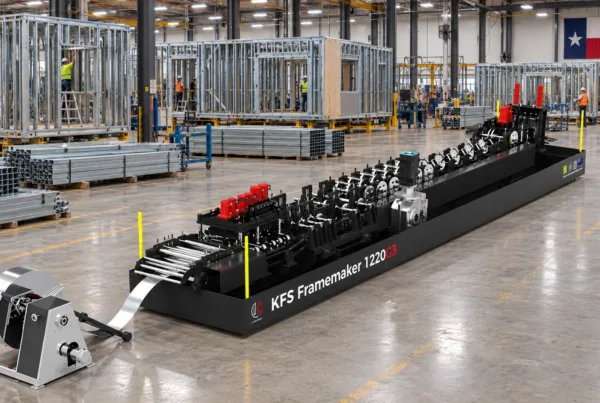
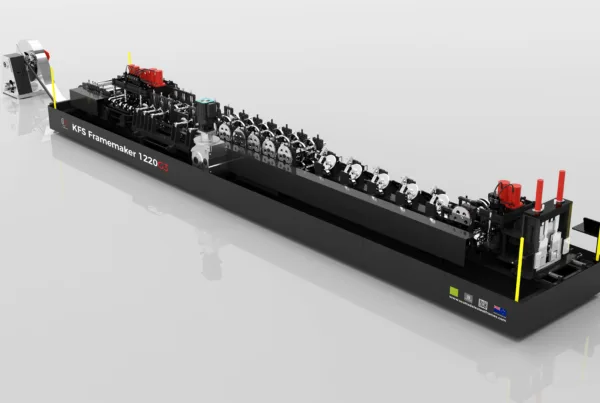
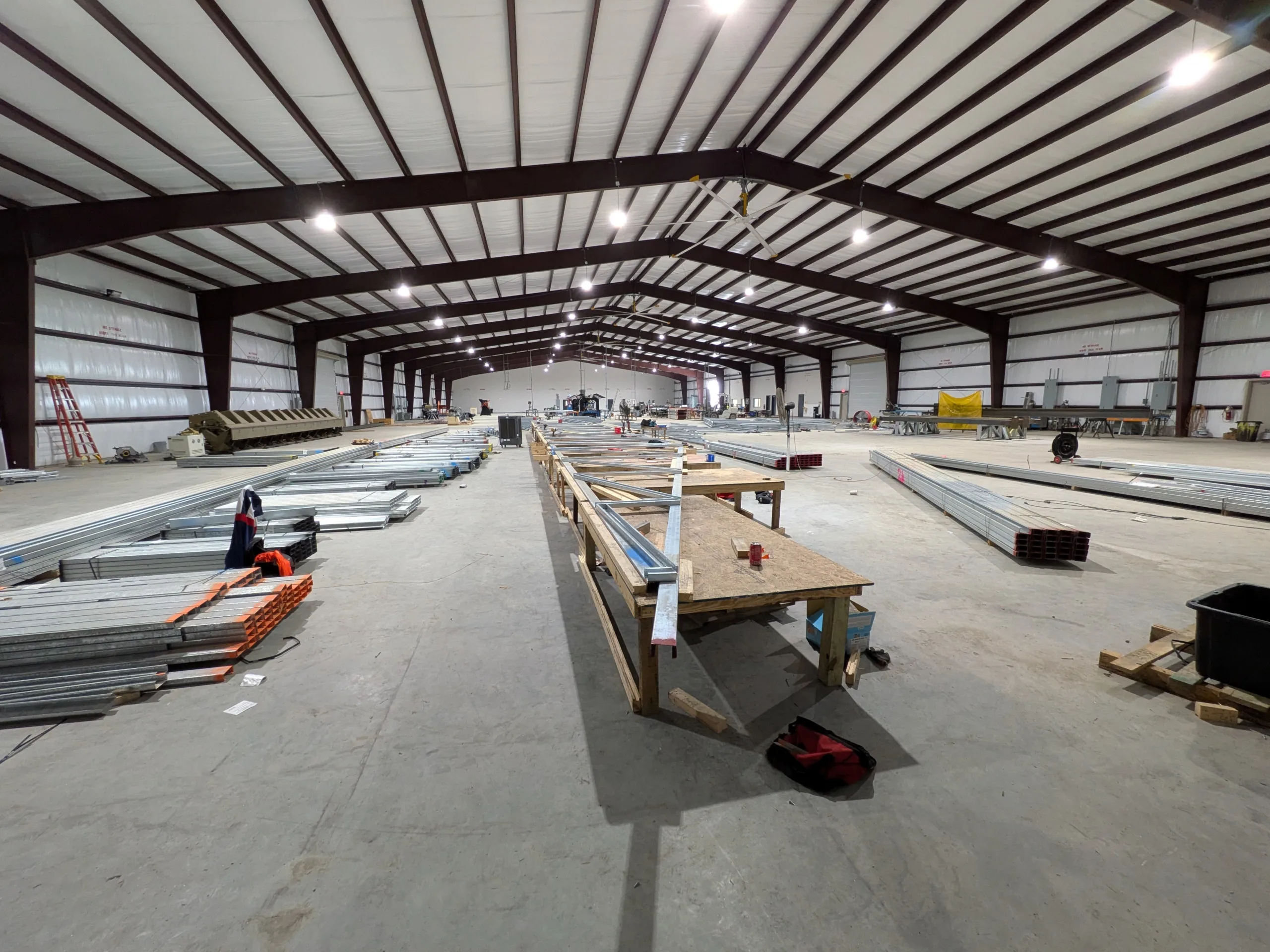
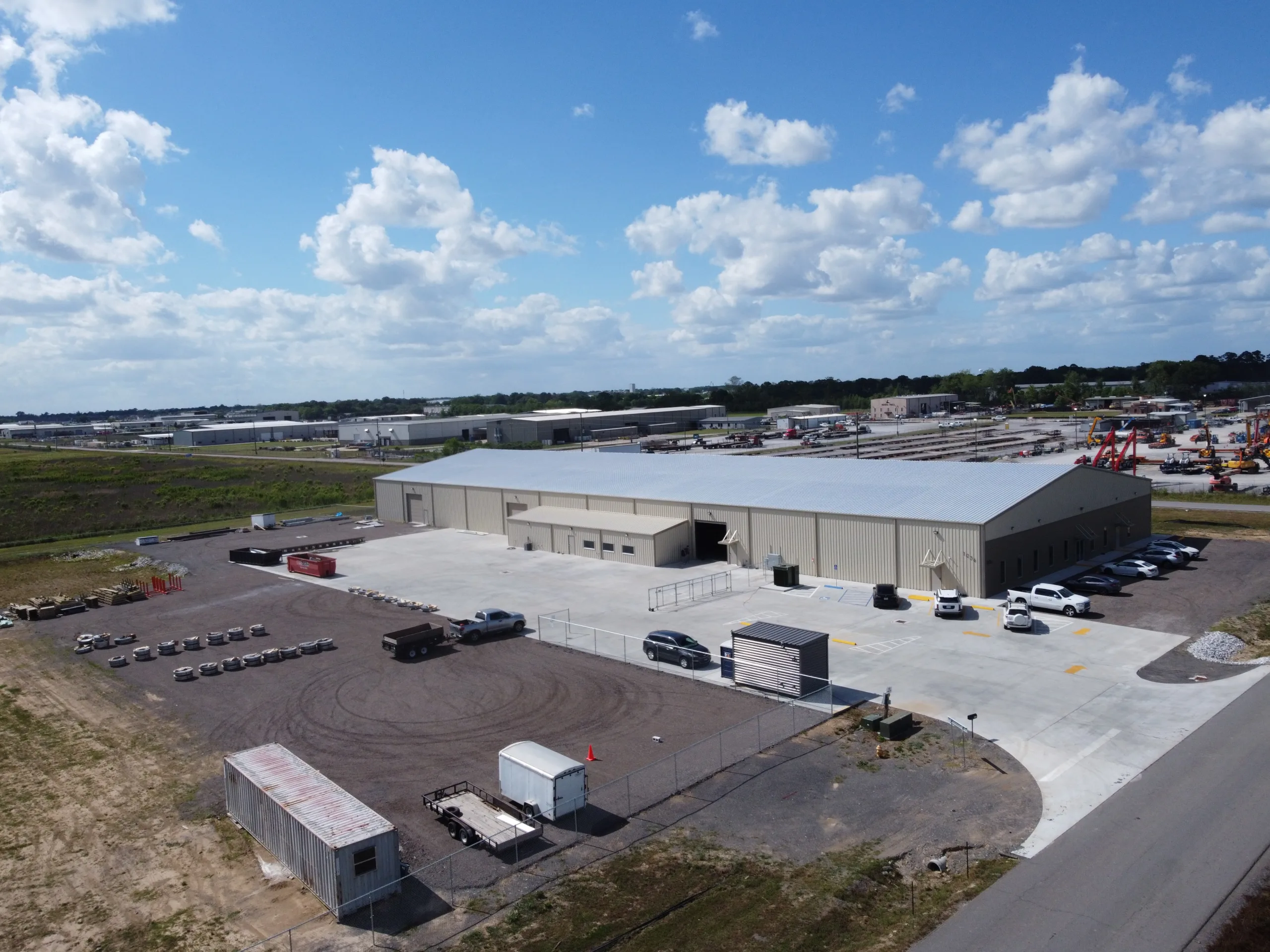
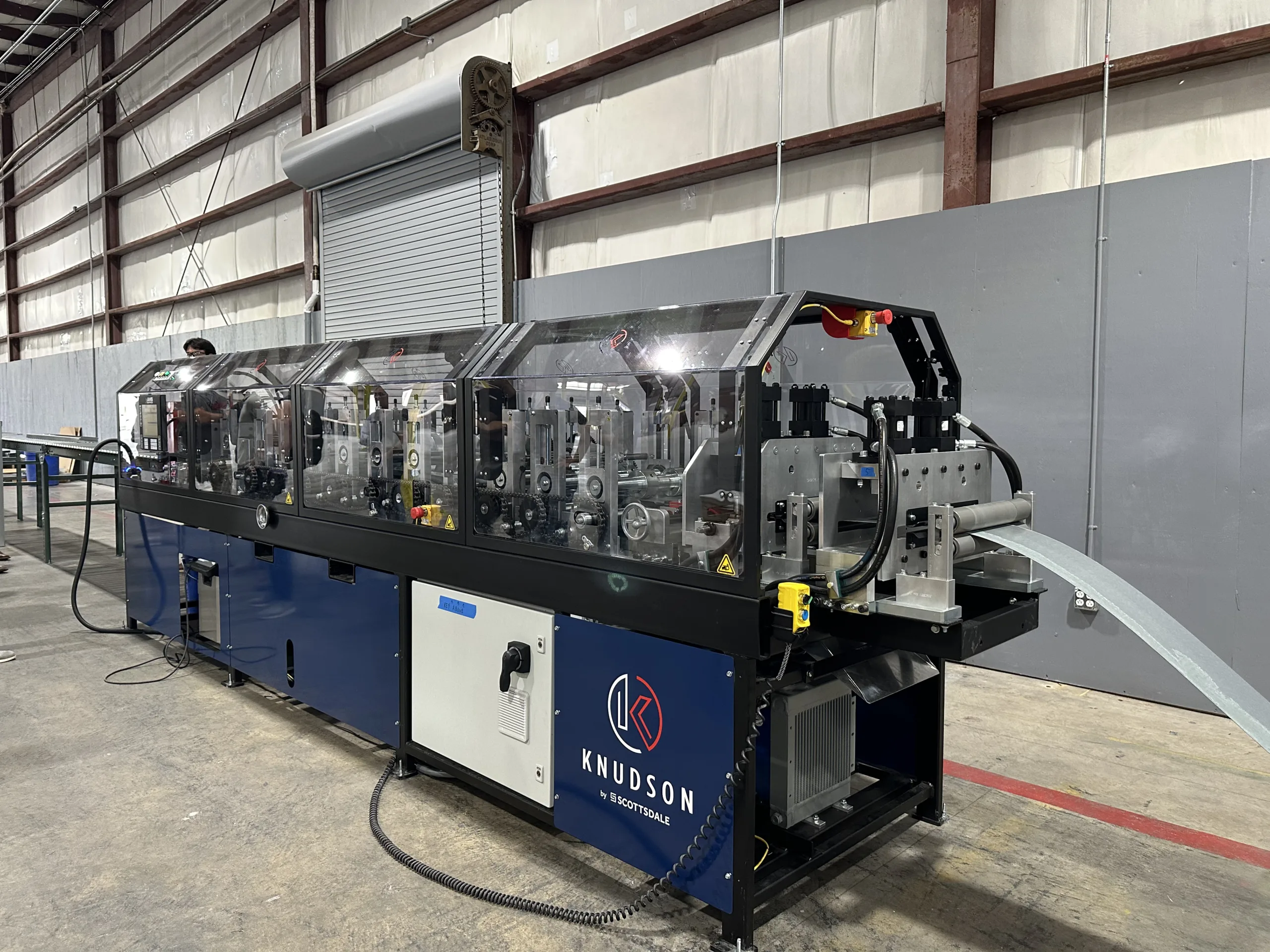
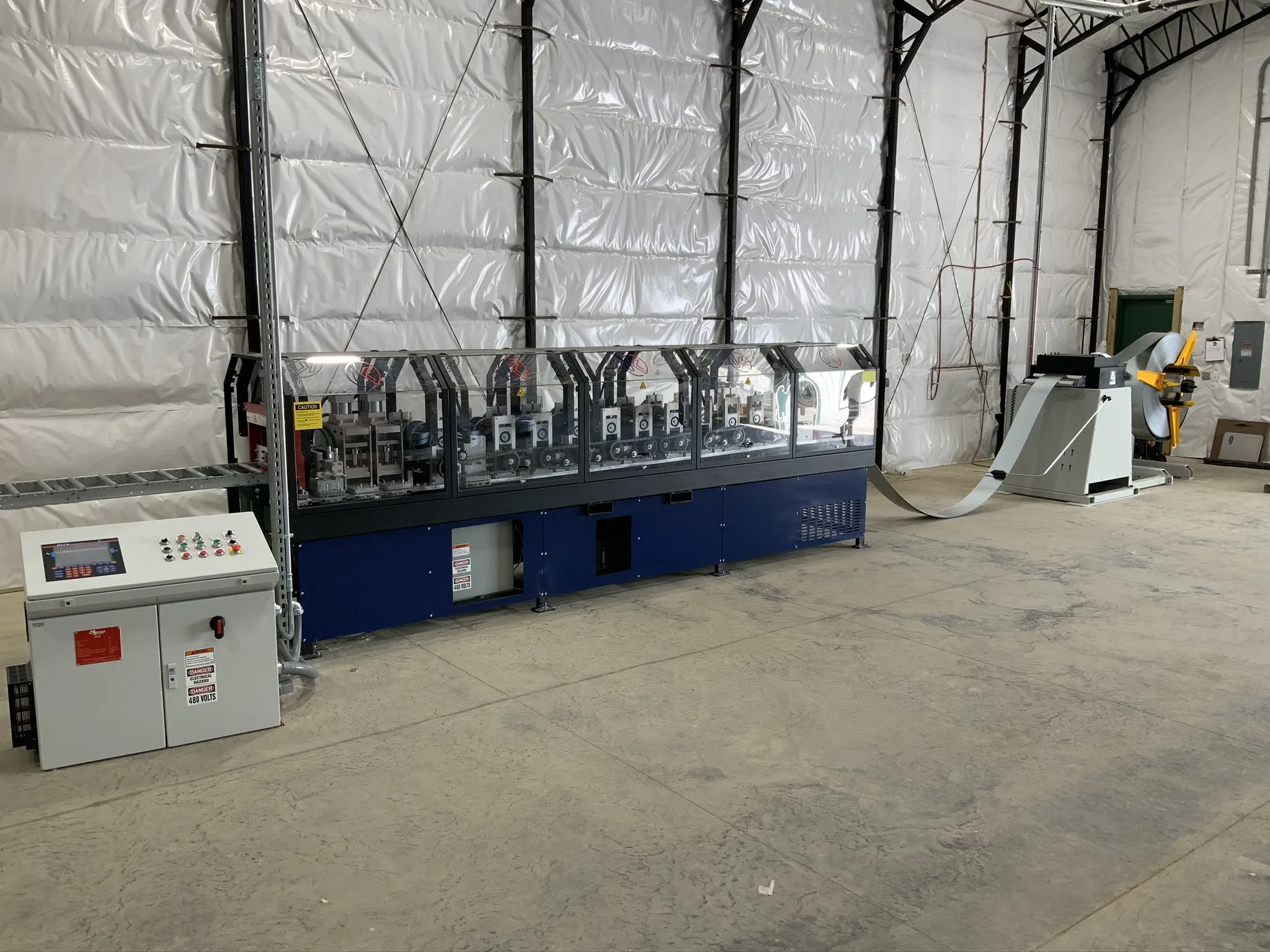
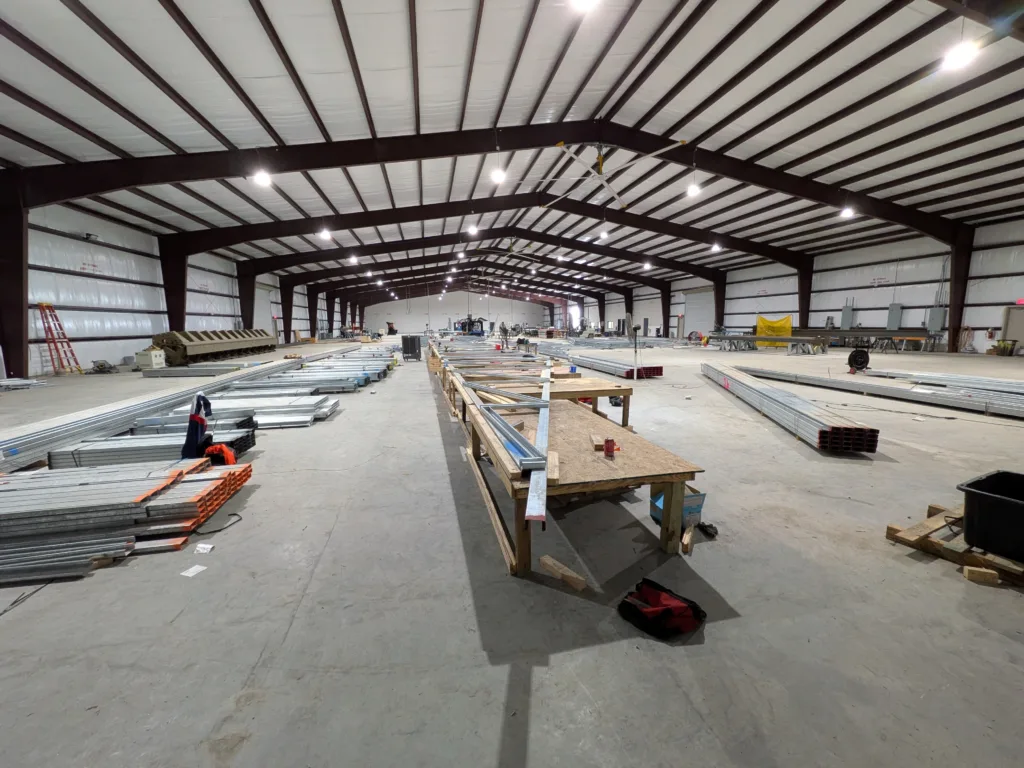
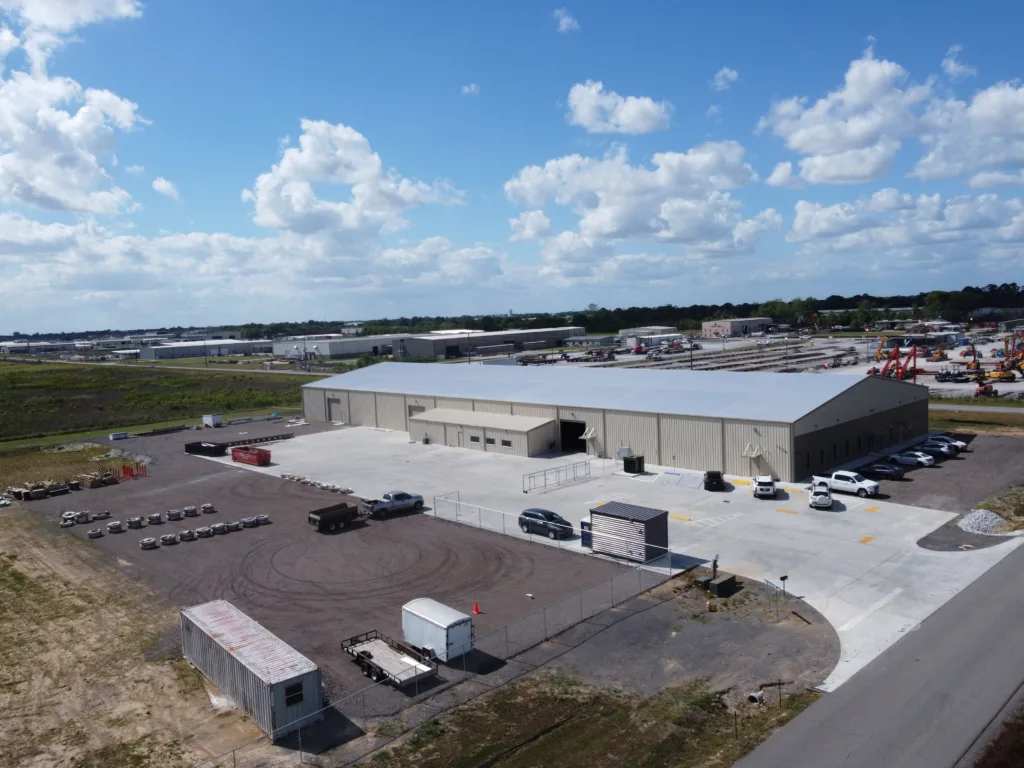
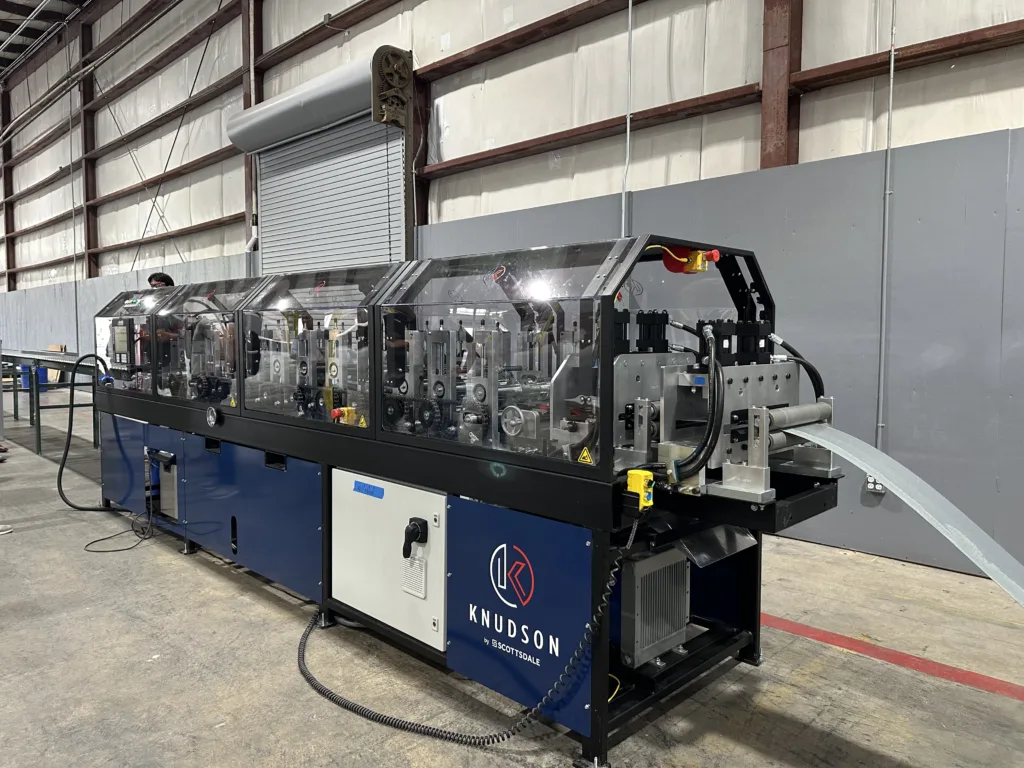
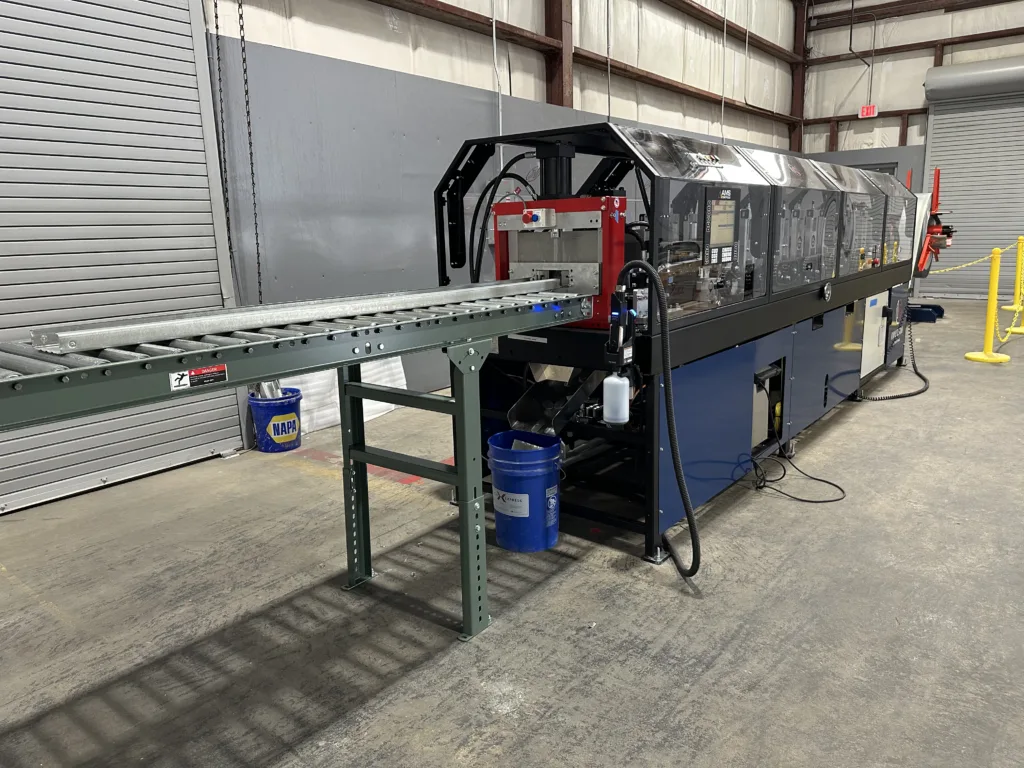
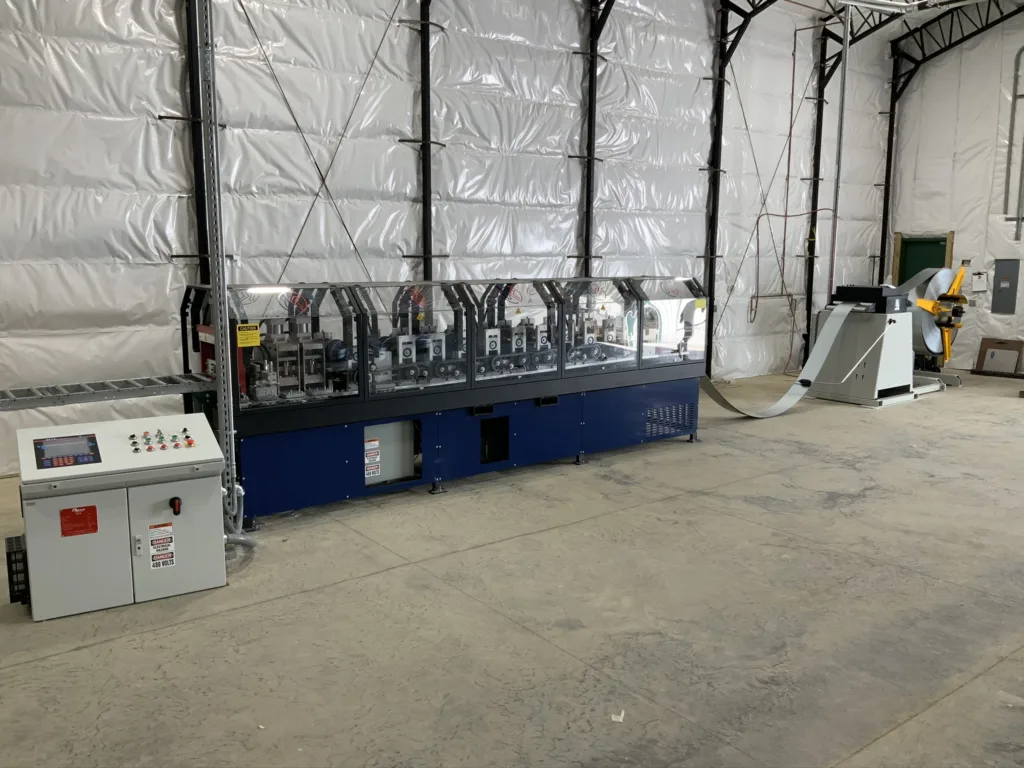
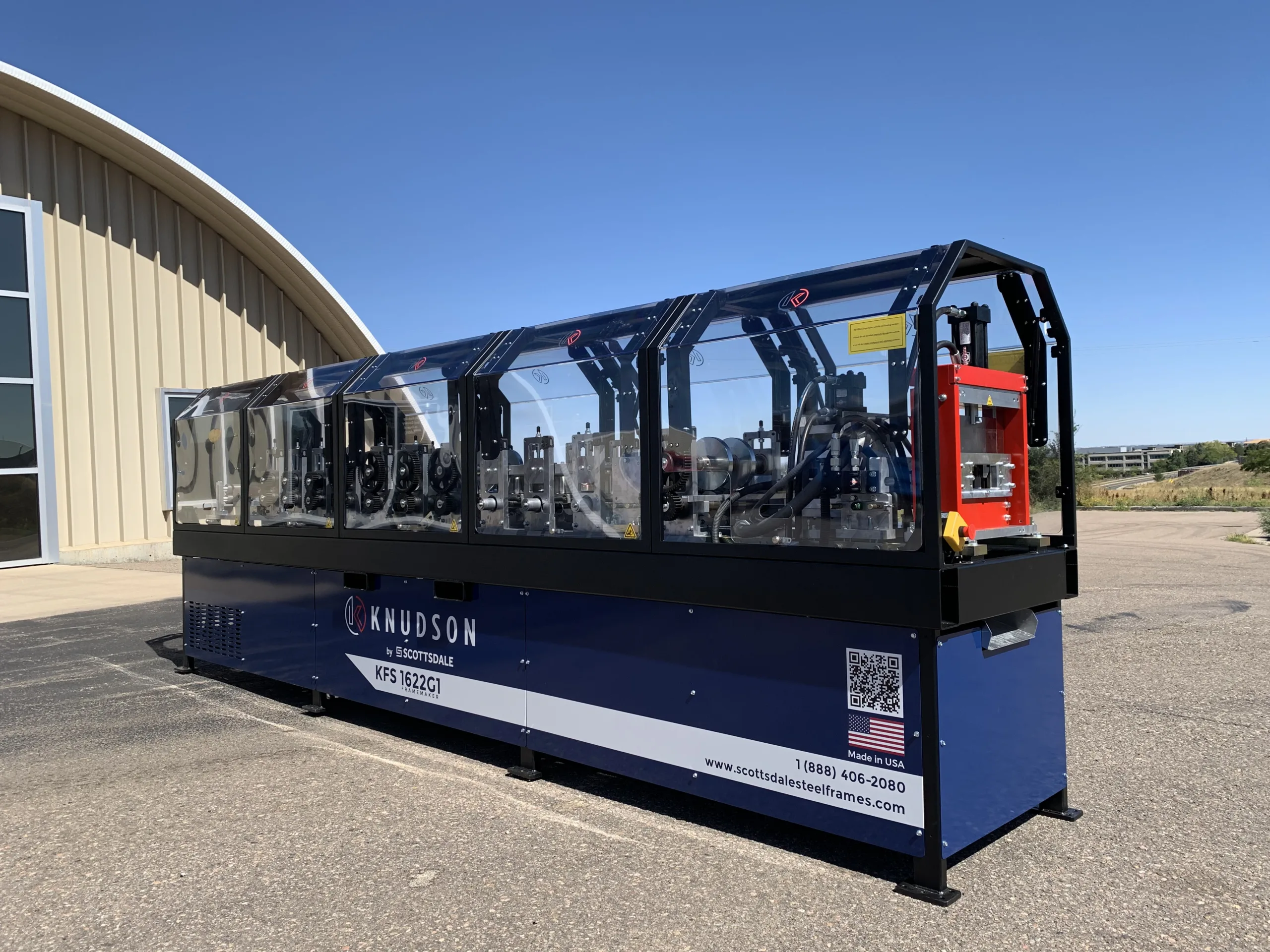
This article is co-authored with US Frame Factory, a Scottsdale customer currently involved in the design and fabrication of two major data center projects in the United States. US Frame Factory operates both the KFS Framemaker 1622 and KFS Framemaker 1420 roll forming machines, high-capacity multi-profile steel framing machines designed for large-scale production environments. US Frame Factory moved to a new facility in June 2026, expanding its operations to better support the growing volume of steel framing projects in their pipeline.
#1 Rapid Project Delivery: Plan the Pipeline, Not Just the Project
Speed on a data center isn’t won at the jobsite. It’s won at the design stage. Every general contractor (GC) is under pressure to compress schedules, and the wrong response is to skip planning to “get started.” Rushing into execution without rigorous upfront coordination is the single most reliable way to create rework, clashes, and missed dates. True speed comes from a different place: meticulous planning and precision manufacturing that gets material to site exactly when, and exactly how, the crew needs it.
That’s where prefabrication of steel framing systems earns its keep. When wall panels and CFS systems are manufactured in a controlled factory environment from BIM-coordinated drawings, the work that used to absorb jobsite labor (measuring, cutting, sorting, staging) is reduced significantly by high-tech roll forming machines and happens before the truck ever arrives.
What US Frame Factory commonly sees:
- 90% less cutting on the jobsite. Material waste is time waste, and time can’t be bought back.
- Approval-to-engineering and shop drawings in less than six weeks. That early lock-in is what lets the rest of the trades plan around the steel framing scope with confidence.
- A strategic mix of CFS panelized systems and loose materials. CFS panels move fast where coverage is high; and loose, precut material gives the crew the adaptability they need where conditions are tight or evolving.
- Efficient in-house manufacturing of major building systems drives cost savings. In-house steel framing fabrication, including custom-designed, precision cut-to-length components and complete framing systems, provides seamless access to proven, industry-standard solutions.
All of this is powered by a tight design-to-manufacturing pipeline. The design and detailing technology supplied by Scottsdale Construction Systems is what allows the BIM model to flow directly into the manufacturing line, the roll forming steel framing machine(s). Every stud, track, and connection is produced from the same source file. Shop drawings aren’t separate documents anymore. They are a direct output of the source model.
When planning a data center, one of the earliest decisions to make is identifying the panelizer and involving them early in the design process. Bringing in the panelizer before construction documents are finalized can help improve coordination, scheduling, manufacturing, and project execution.
#2 Tall Wall Applications: Design with Panelizer’s Capabilities in Mind
Data centers are getting taller. Server-rack heights, hot-aisle containment, overhead cable tray, and the HVAC plenums above them all keep pushing ceiling clearances higher and higher. The tall wall heights are no longer the exception. They have become the standard.
The planning question to settle early: are those walls going up in pieces in the field, or arriving as engineered CFS tall-wall panels from a steel framing factory?
Stick-framing 35-, 40-, or 45-foot CFS walls in the field is slow, dangerous, and often occurs with dimensional errors. Additionally, tall CFS walls aren’t just simple partitions; they’re complex secondary steel framing systems that have to be engineered for both internal deflection and top-of-wall deflection limits. That’s not the work a field crew is suited to solve from rough sketches.
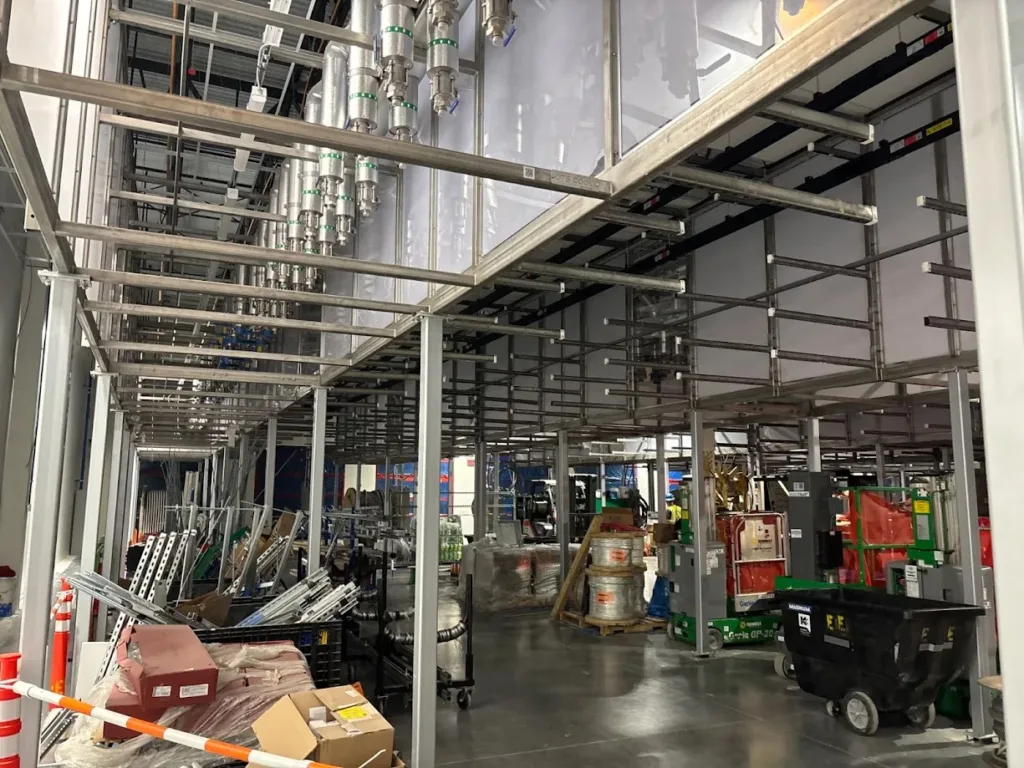
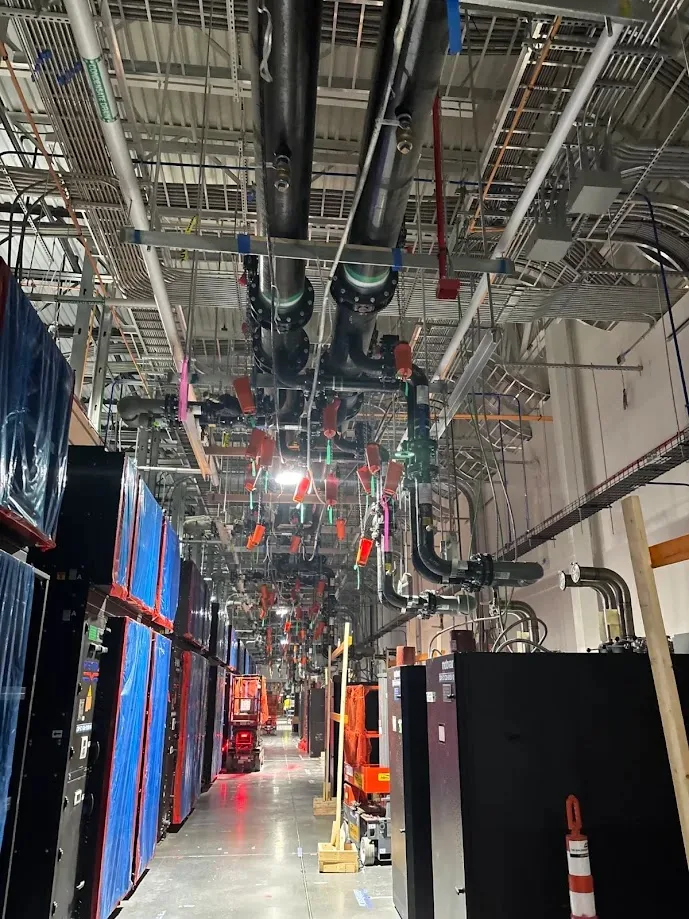
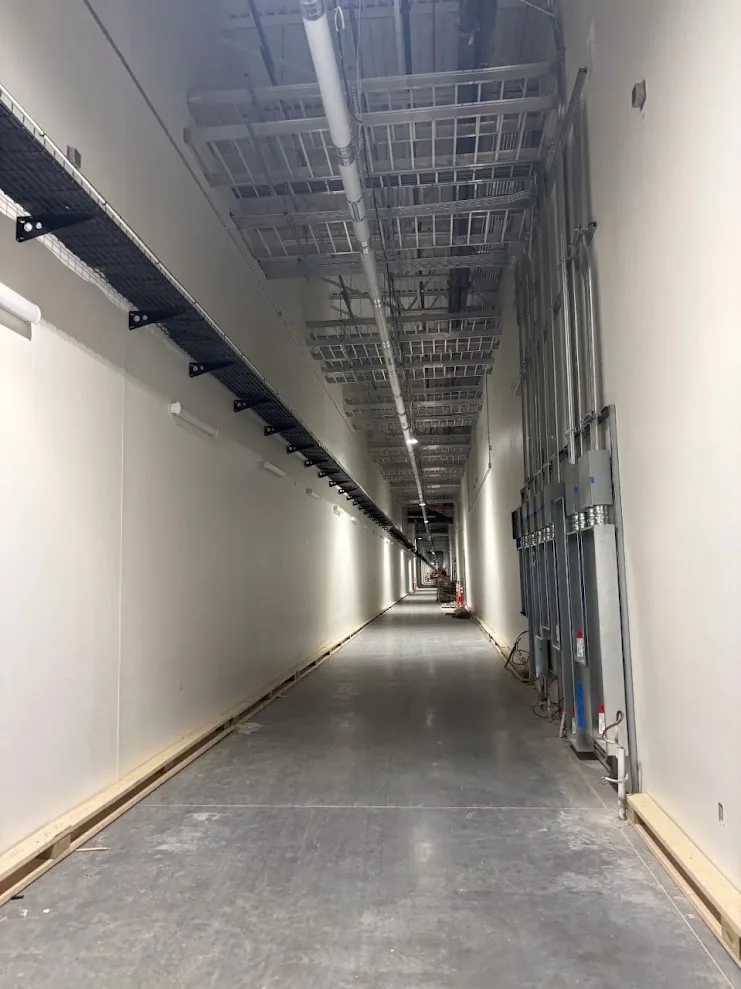
What US Frame Factory can effectively deliver with our roll forming technology:
- CFS walls approaching 40-feet on a 500,000-square-foot, ~100 MW colocation data center that is currently being manufactured in Texas.
- 45-foot-plus CFS walls on industrial projects.
- Capability to fabricate 53-feet tall CFS walls and beyond when the design calls for it. Exclusively possible due to the continuous roll forming technology that allows members to span uninterrupted from floor to roof deck.
In the early stages of the project, confirm with the steel framing fabricator and panelizer the maximum height they can manufacture, ship, and lift onsite, and design around those constraints. Crane plans, delivery sequencing, brace points, etc. all flow from that decision. If not addressed early in the planning stage, the project will face CFS wall height problems when the trucks are ready to be loaded.
#3 Fire-Rated Assemblies: Avoid Late Planning
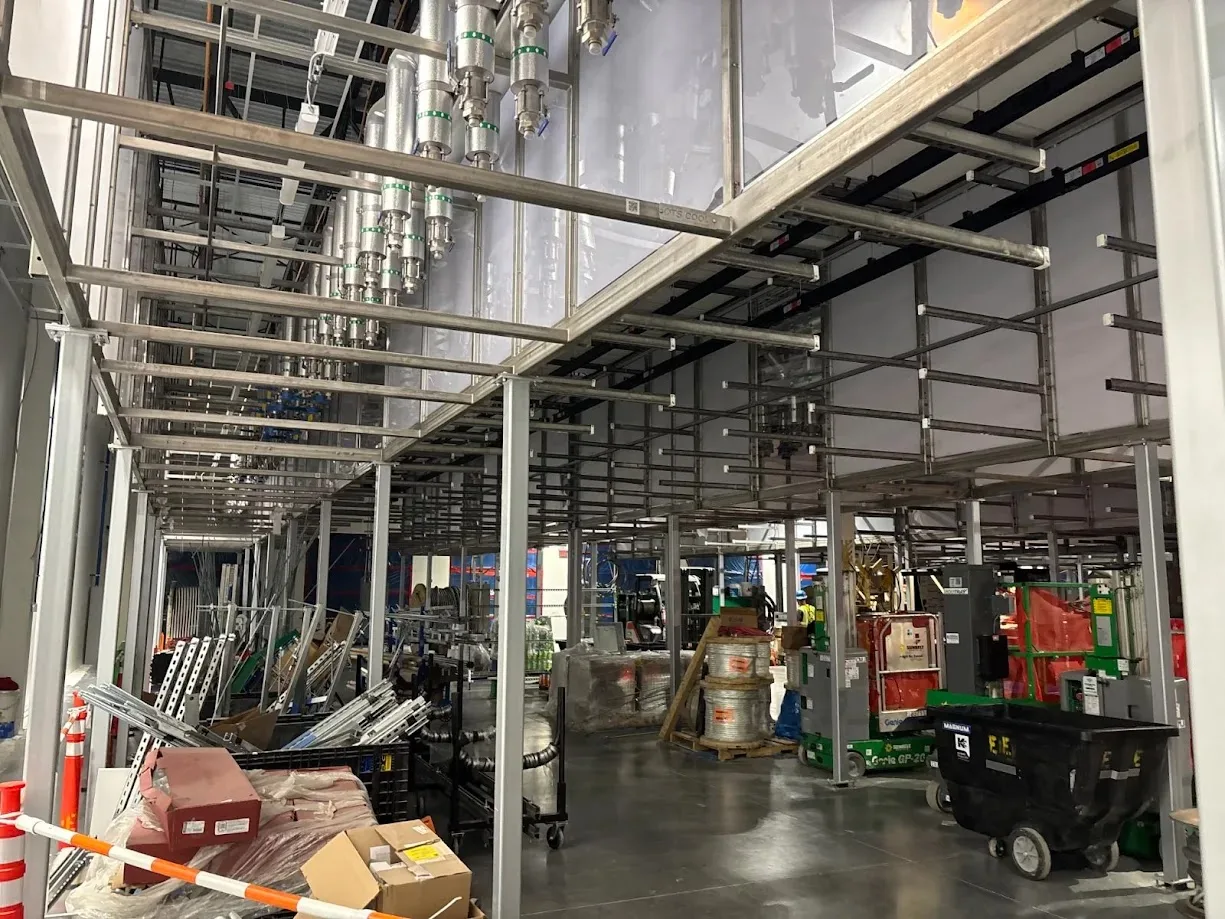
Data centers require strict fire containment, and that requirement is constantly under attack from the massive, complex web of MEP integration that lives inside the walls. In data center construction, preventing MEP trades from clashing with fire-rated assemblies during installation is critical to avoiding rework, RFIs, teardowns, and schedule delays that compound over the course of the project.
Fire ratings aren’t a spec to address towards the end of a project, let alone in massive data centers. They are a planning-phase decision. The cleanest approach is to design the CDs against assemblies that are already tested, listed, and documented, not generic wall sections that have to be reconciled with a real UL design later.
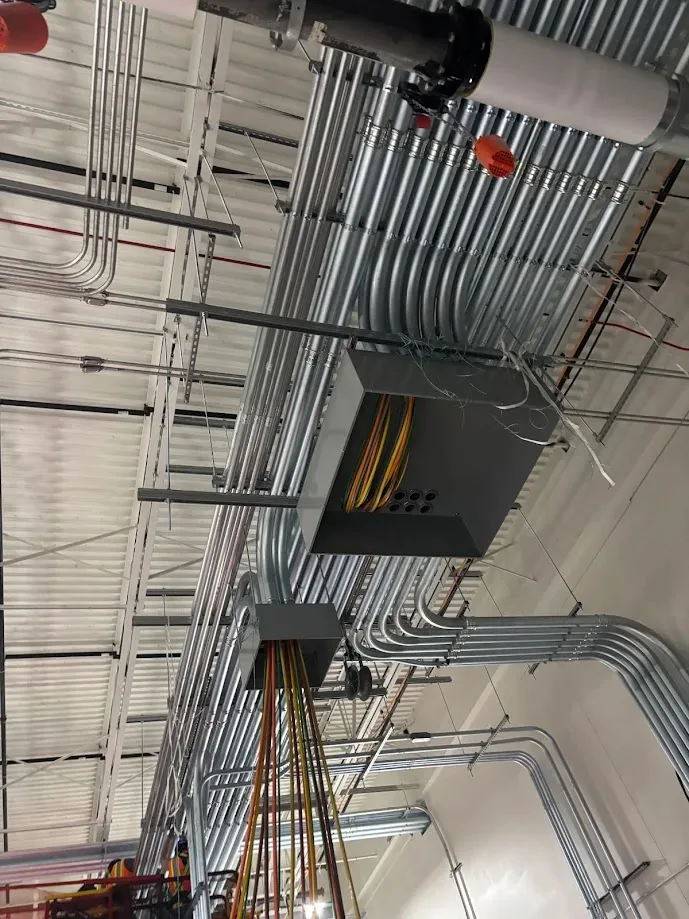
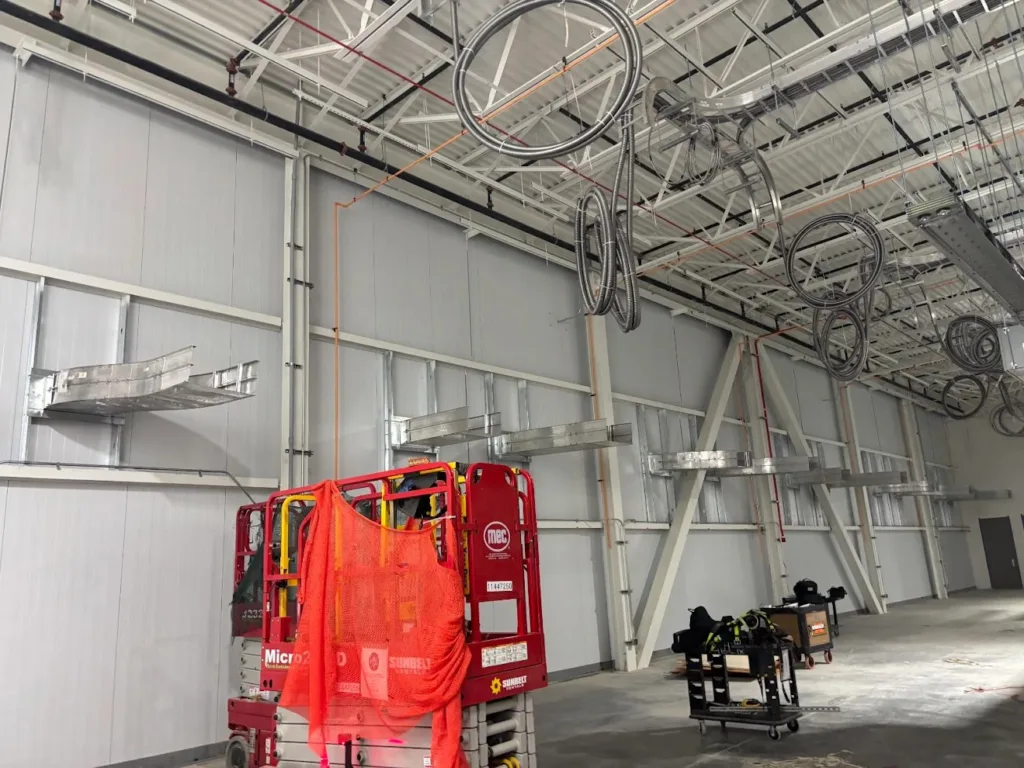
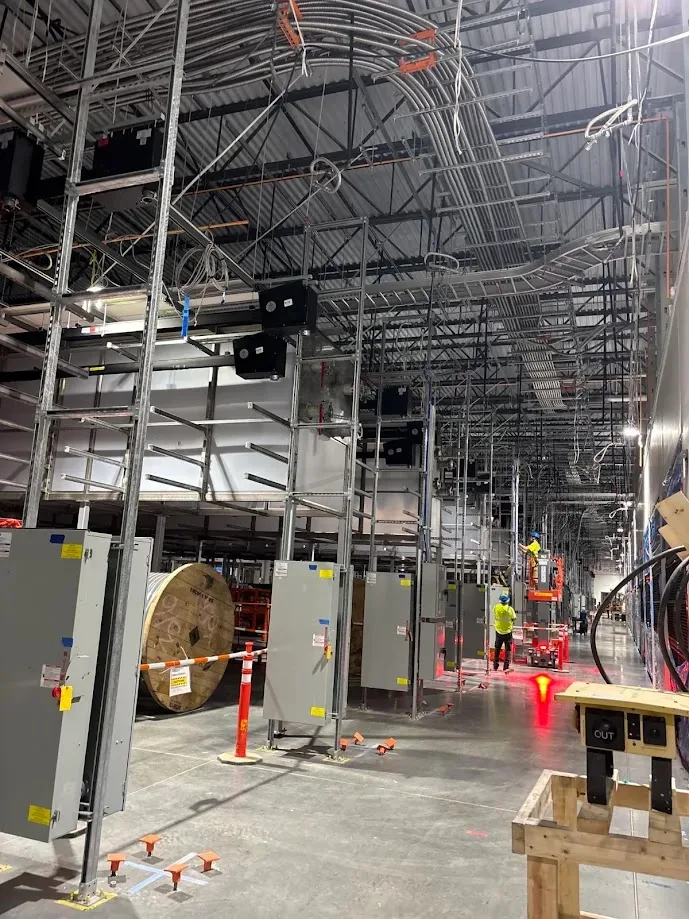
What US Frame Factory can deliver on data centers with our roll forming technology:
There are two points to emphasize during the planning phase of data centers:
- Resolve MEP clashes in the model, before the field. When detailing software is used upfront to visualize the walls, the rated penetrations, and the MEP routes together, the clashes are found and fixed where they’re cheap to fix: in pixels and not drywall.
- Build in flexibility for the inevitable onsite adjustment. No data center gets built without field changes. CFS systems are unusually forgiving here. When an onsite adjustment is required, the wall can typically be modified without sacrificing its rating, as long as the change is engineered properly.
Review our article, “Practical Guide to Web Openings in Cold-Formed Steel Framing”, to understand the difference between service holes vs. plumbing holes and how our roll forming machines automatically create these web openings in exact dimension and locations when roll forming CFS wall systems.
#4 Quality: In a Mission-Critical Facility, Quality Means Predictability
In a data center, “quality” doesn’t mean “looks good.” It means predictable. The walls land where the model says it lands, every time, because miles of cable tray, conduit, and rack layouts are being designed against it to the inch.
When framing tolerances begin to stack up and drift out of control, the issue extends far beyond the framing scope itself. It quickly becomes an MEP coordination issue, a rack-layout issue, and ultimately a commissioning issue. Maintaining tight tolerances requires minimizing the human variability between the digital model and the fabricated framing systems. This is where precision steel framing manufacturing becomes critical to the project execution.
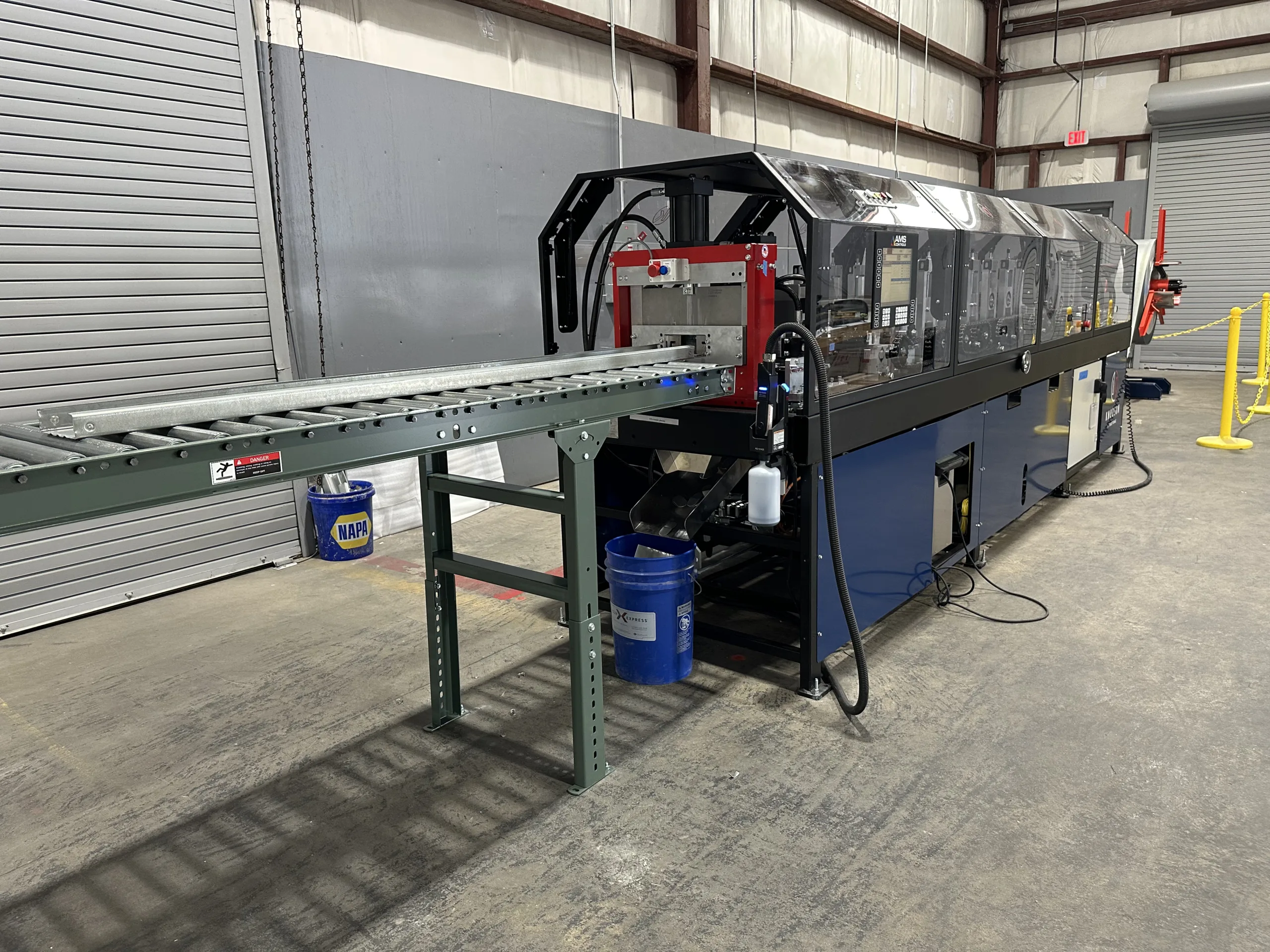
Where steel framing technology delivers accuracy:
- Shop drawings coordinated with the IFC model (including the red iron metal building frame), so the CFS panels are designed against the structure they actually have to land on.
- High-definition engineering drawings that translate directly to the manufacturing line, with no interpretive guesswork in between.
- CNC-driven cut, punch, and notch operations that manufacture CFS parts which fit together the first time, fabricating a perfectly aligned CFS system.
- A QC report on every fabricated CFS wall panel before it ships, therefore everyone, including the inspector, know what is being delivered onsite.
This level of consistency is what allows framing crews to move at maximum speed once panels arrive. They are not solving fitment puzzles in the field; they are simply installing.
Pro-tip: The steel framing fabricator should be able to provide shop drawing package and QC report for each project. Our roll forming technology allows US Frame Factory to deliver both.
#5 Sustainability: A Story the Project Can Actually Defend
Data centers face intense public scrutiny over their environmental footprint, and most hyperscaler and colocation owners now have aggressive sustainability commitments backed by real reporting requirements. The framing system is a small piece of that footprint, but it’s a piece that can actually claim green credits if planned in advance.
Cold-formed steel has a strong story to tell here, and the planning-phase move is to bring it into the sustainability reporting from day one rather than discovering its value retroactively.
What steel framing can offer when discussing sustainability:
- Recycled steel content varies depending on the raw material source, and cold-formed steel fabricators can often source steel with specific recycled content targets based on project requirements. The recycled steel content in some of the steel used by fabricators is well above what most projects assume from CFS. It is important to discuss recycled content targets early with the fabricator to confirm sourcing capabilities and project requirements.
- “Secondary steel,” which is high-quality structural steel that would otherwise be scrapped because it doesn’t meet the superficial aesthetic standards of other industries (automotive finishes, for example) but is structurally sound and an excellent fit for steel framing application. Repurposing keeps viable material out of the scrap stream.
- Between 1-10% material waste on the jobsite thanks to precut and panelized delivery, meaning fewer offcuts, less dumpster volume, and less hauling.
- A factory-controlled production environment that captures and reuses scrap rather than shipping it to a landfill.
When project owners are reporting against a green building target, these are numbers worth surfacing in the project narrative. They don’t replace the bigger sustainability levers on a data center (power, cooling, water), but they’re real, documented, and easy to claim points on the next project.
Data Center Construction: Plan it Right the First Time
Speed on a data center isn’t a function of how hard crews push in the field. It’s a function of how rigorously the project is planned in the months before. The “mess” of complex MEP, the engineering hurdles of tall walls, the strict fire ratings, the precision tolerances, the sustainability story; none can be resolved by rushing crew onsite. They’re resolved in the model, in the detailing software, and on the manufacturing floor.
For GCs, developers, and design teams delivering data centers in 2026, selecting a cold-formed steel partner with proven experience across complex projects is critical. US Frame Factory has worked through these decisions on active builds, including a 500,000-square-foot, 100 MW colocation project currently under delivery in Texas. Combined with the advanced roll forming technology supplied by Scottsdale Construction Systems, early planning decisions can be translated into more predictable schedules and streamlined project execution.
The next article in this series will build on these planning considerations and examine what disciplined execution looks like once key decisions are finalized.
Additional Scottsdale Roll Forming Solutions and Resources
- Blog – How to Design Inexpensive Cold-Formed Steel Commercial Buildings the Right Way
- Blog – Expert Guide the Rise of LGS Panelization in the Global Market
- Blog – Expert Guide to the Rise of LGS Panelization in the U.S.
- Blog – A Steel Framed Hotel Made with Advanced Roll Forming Technology
- Blog – Fire and Acoustic Ratings in Cold-Formed Steel Assemblies Simplified
- Video – Scottsdale Rollformers Customer Testimonial – Tiago Atwi, US Frame Factory
- Video – Commissioning & Training Process for Knudson by Scottadle Rollformers KFS Framemaker 1622G1
- Video – KFS Framemaker 1622G1 End Shearing and Flange Dimpling
- Video – 6,500-lbs Powered Decoiler in Operation with KFS Framemaker 1420
- Video – Knudson by Scottsdale KFS Framemaker 1420G1 in Action
- Financial Services
To learn more about Scottsdale’s roll forming solutions and steel framing ecosystem, visit us at www.scottsdalesteelframes.com, call us at +1 (888) 406-2080, or email us at rollformers@scottsdalesteelframes.info.